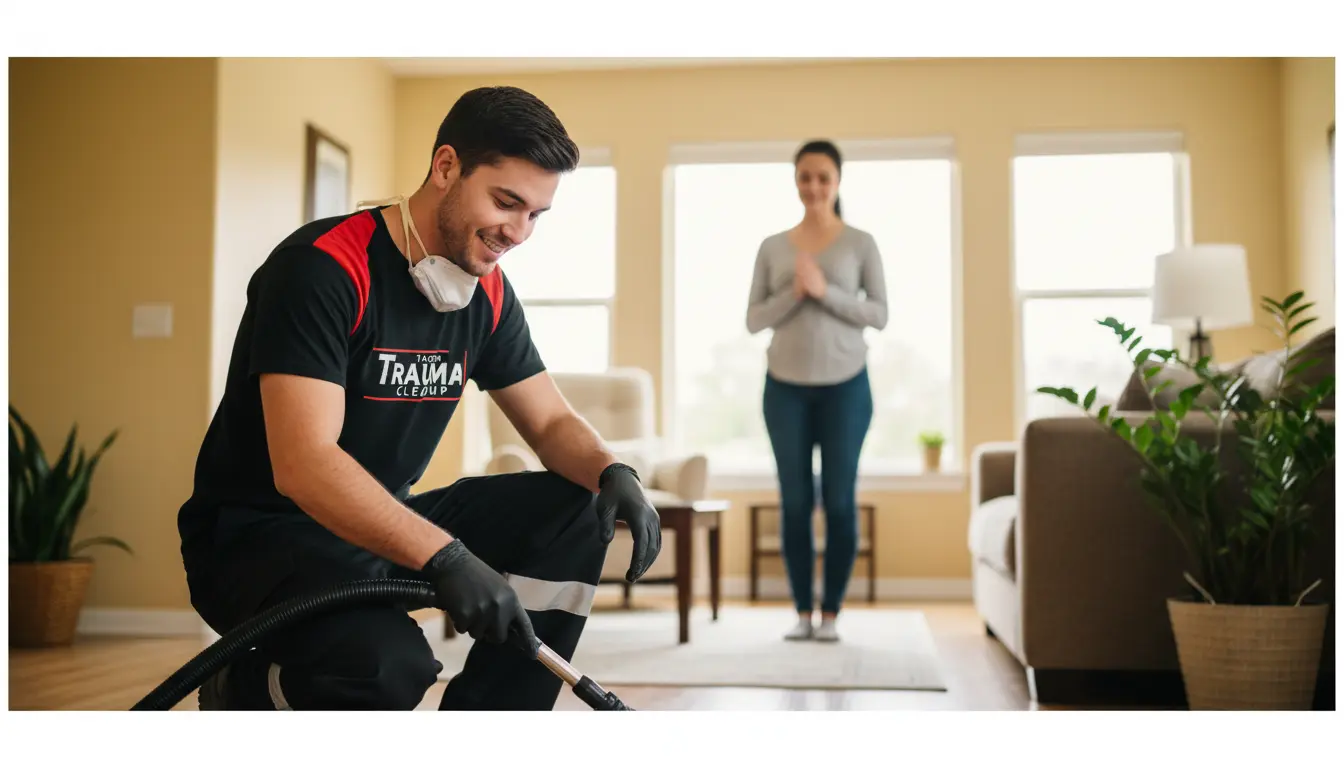
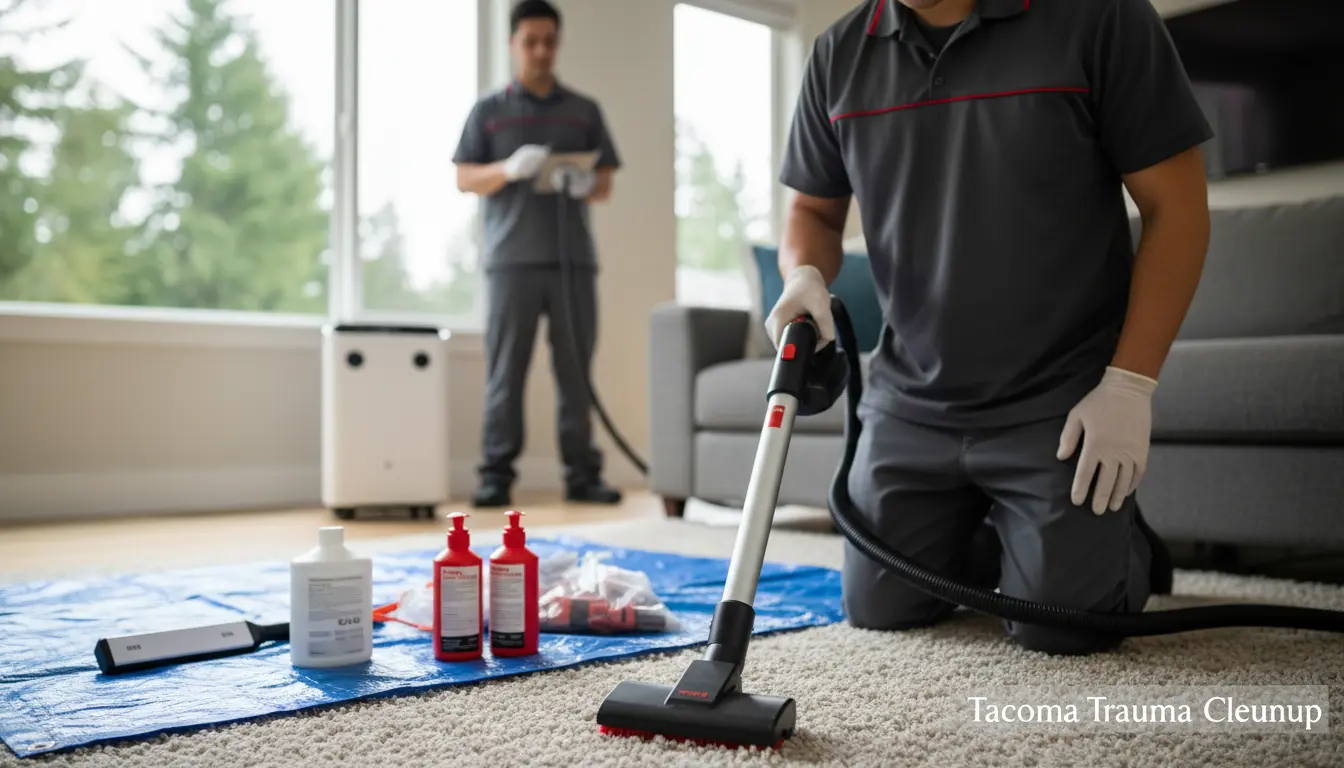
Experiencing a trauma event can leave you feeling overwhelmed, especially in a close-knit community like Tacoma. Whether it’s an accident, crime scene, or unattended death, the emotional and physical aftermath requires careful handling. At Tacoma Trauma Cleanup, we specialize in biohazard remediation and support for residents across Washington, helping you reclaim your space and start healing. This guide shares 10 practical tips for quick recovery, tailored to the unique challenges in our area. From immediate safety measures to long-term emotional care, these steps can make a significant difference.
Trauma events disrupt lives, but with the right approach, recovery is possible. In Tacoma’s diverse neighborhoods like Hilltop and Stadium District, where urban life meets community resilience, knowing how to respond is crucial. Let’s dive into actionable advice to help you or a loved one move forward.
Understanding Trauma Recovery in Washington
Washington state’s variable weather and tight-knit communities add layers to trauma recovery. Rainy days in Tacoma can prolong cleanup efforts, while the emotional toll affects everyone differently. Recovery isn’t just about cleaning up—it’s about restoring normalcy. Professional services like unattended death cleanup ensure biohazards are handled safely, preventing health risks.
Why Quick Action Matters
Delaying response can worsen emotional distress and physical hazards. In WA, where mold and bacteria thrive in damp conditions, prompt intervention is key. Studies from the American Psychological Association highlight that early support reduces long-term PTSD symptoms by up to 30%.
Tip 1: Ensure Immediate Safety
Your first priority after a trauma event is safety. Secure the area to prevent further harm. If it’s a biohazard site, evacuate and contact professionals immediately. In Tacoma, our team at Tacoma Trauma Cleanup arrives quickly to assess and contain risks, just like we do for blood spill removal in residential areas.
- Action Step: Turn off utilities if needed and keep pets and children away.
- Local Tip: Tacoma’s emergency services are efficient; dial 911 first, then call us at (253) 275-5387 for specialized cleanup.
Tip 2: Contact Professional Cleanup Services
Don’t attempt DIY cleanup—biohazards require certified experts. Tacoma Trauma Cleanup uses EPA-approved methods to decontaminate properties, ensuring they’re safe for reoccupation. This is especially vital in humid WA climates where pathogens spread easily.
- Why It Helps: Professionals handle medical waste removal discreetly, reducing your stress.
- Tacoma Focus: Serving areas like Lakewood and Parkland, we understand local regulations and respond 24/7.
Tip 3: Document the Incident
Take photos and notes for insurance and legal purposes, but avoid the scene yourself. This documentation aids in claims processing, common after trauma events in busy Tacoma districts.
- Action Step: Use your phone from a safe distance; let pros like us manage the rest.
- Pro Tip: In WA, linking to property restoration after trauma services ensures thorough records.
Tip 4: Seek Emotional Support
Trauma affects mental health profoundly. Reach out to counselors or hotlines immediately. In Tacoma, resources like the Pierce County Crisis Line offer free support tailored to our community.
Building a Support Network
Connect with friends, family, or local groups in neighborhoods like Bonney Lake. Sharing experiences accelerates healing—consider joining WA-based trauma survivor meetups.
- Quick Start: Call the National Trauma Hotline at 1-800-273-8255 for instant guidance.
Tip 5: Prioritize Physical Health
Rest, hydrate, and eat well to combat shock. Avoid the contaminated area to prevent exposure. In Tacoma’s active lifestyle, resuming light exercise post-cleanup can boost endorphins.
- Action Step: Schedule a medical check-up; our forensic cleaning ensures no lingering health threats.
- Local Reference: Visit Tacoma’s community health centers in Hilltop for follow-up care.
Tip 6: Clean and Restore Your Space
Once pros clear the site, focus on restoration. Air out the area and use dehumidifiers against WA’s moisture. Tacoma Trauma Cleanup excels in this, reviving homes in areas like Stadium District back to pre-event condition.
Step-by-Step Restoration
- Remove damaged items.
- Disinfect surfaces.
- Repaint or refurnish for a fresh start.
This process not only sanitizes but also symbolizes renewal.
Tip 7: Address Insurance and Finances
Contact your provider early. Many WA policies cover trauma cleanup costs. Document everything to streamline claims—our team assists with this in Tacoma servings.
- Tip: Inquire about coverage for services like unattended death scenarios, common in urban settings.
Tip 8: Incorporate Mindfulness Practices
Techniques like deep breathing or journaling help process emotions. Apps like Calm are great starters. In Tacoma’s scenic parks, like those in Parkland, nature walks aid mindfulness.
- Daily Practice: Spend 10 minutes meditating to reduce anxiety.
Tip 9: Reconnect with Routine
Gradually return to daily activities. Small wins, like cooking a favorite meal, rebuild normalcy. For Tacoma residents in Lakewood, community events foster reconnection.
Avoiding Isolation
Join local support groups; avoiding solitude prevents depression.
Tip 10: Plan for Long-Term Resilience
Build coping strategies, like therapy or emergency kits. In WA’s earthquake-prone areas, preparedness ties into trauma recovery. Tacoma Trauma Cleanup offers consultations for future planning.
- Forward Thinking: Review home safety annually.
FAQ: Common Questions About Trauma Recovery in Tacoma
What Should I Do Immediately After a Trauma Event in WA?
Secure the scene, call emergency services, and contact pros like Tacoma Trauma Cleanup at (253) 275-5387. Avoid touching anything to prevent contamination.
How Long Does Trauma Cleanup Take in Tacoma?
It varies by severity, but our team typically completes initial cleanup in 24-48 hours, with full restoration following. We serve Bonney Lake and surrounding areas efficiently.
Is Professional Help Covered by Insurance?
Often yes—most WA policies include biohazard remediation. We’ll help navigate claims for services like blood spill removal.
Can I Stay in My Home During Cleanup?
For safety, it’s best to vacate temporarily. In dense neighborhoods like Hilltop, we work quickly to minimize disruption.
How Do I Find Emotional Support in Tacoma?
Local resources include the Crisis Connections hotline and community centers. Pair this with physical cleanup for holistic recovery.
Conclusion: Start Your Recovery Journey Today
Recovering from a trauma event in Washington takes time, but these 10 tips provide a solid foundation. From ensuring safety to embracing long-term resilience, each step brings you closer to healing. In Tacoma, where community matters, Tacoma Trauma Cleanup is here to support you every step of the way. Whether in Stadium District or Parkland, our compassionate team handles the tough parts so you can focus on what matters.
Don’t wait—contact us at (253) 275-5387 for expert trauma cleanup and restoration. Reclaim your peace today.