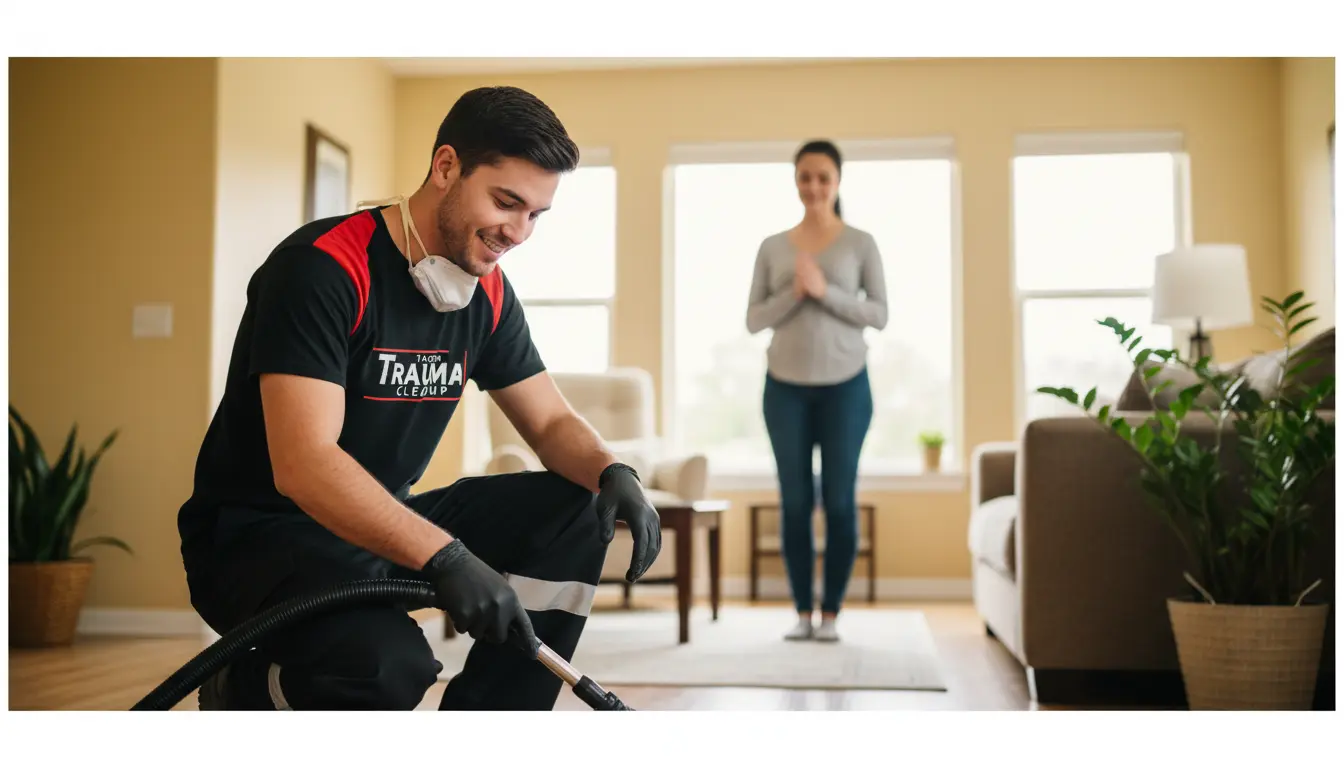
Dealing with a biohazard situation can be overwhelming, especially in the wake of trauma or accidents. In Washington State, where urban areas like Tacoma face unique challenges from industrial incidents to unfortunate events, knowing how to handle biohazard removal is crucial for safety and health. At Tacoma Trauma Cleanup, we specialize in professional forensic cleaning services tailored to the Tacoma community, ensuring your space is restored safely and efficiently. This ultimate guide will walk you through everything you need to know about biohazard removal, from understanding the risks to taking the right steps for cleanup.
Whether you’re a homeowner in Tacoma’s bustling neighborhoods or a business owner in nearby Fife, biohazards demand immediate attention to prevent health risks like exposure to pathogens. Let’s dive in and empower you with the knowledge to navigate this process.
What Are Biohazards and Why Do They Require Professional Removal?
Biohazards are biological substances that pose a threat to human health, including blood, bodily fluids, bacteria, viruses, and other infectious materials. In Washington State, these can arise from crime scenes, unattended deaths, medical emergencies, or even sewage backups. Ignoring them can lead to serious consequences, such as the spread of diseases like hepatitis or HIV.
Common Types of Biohazards in Tacoma
Tacoma, with its mix of residential, commercial, and industrial zones, sees a variety of biohazard scenarios. From blood spill removal after accidents to homicide scene decontamination, the risks are real. For instance, in areas like University Place, where family homes are common, a simple fall could result in hazardous spills that require expert handling.
Professional removal is essential because biohazards aren’t just messy—they’re dangerous. DIY attempts often lead to incomplete cleanup, cross-contamination, or legal issues under Washington State’s strict health regulations.
Legal and Regulatory Requirements for Biohazard Cleanup in Washington State
Washington State enforces rigorous standards for biohazard management through agencies like the Department of Health and the Department of Labor & Industries. All cleanup must comply with OSHA guidelines and state-specific waste disposal laws to avoid fines or health violations.
Key Regulations to Know
- Bloodborne Pathogens Standard: Requires proper personal protective equipment (PPE) and training for handlers.
- Hazardous Waste Disposal: Biohazardous materials must be transported and disposed of at certified facilities, not landfills.
- Local Tacoma Ordinances: In Pierce County, which includes Tacoma, additional rules apply for trauma scenes, mandating certified professionals for public safety.
Hiring a licensed company like Tacoma Trauma Cleanup ensures full compliance, protecting you from liability. We handle all permits and documentation, so you can focus on recovery.
Step-by-Step Process of Professional Biohazard Removal
Effective biohazard removal follows a structured approach to guarantee safety and thoroughness. Here’s how Tacoma Trauma Cleanup conducts our services in Tacoma and surrounding areas like Parkland.
Step 1: Assessment and Containment
Upon arrival, our team assesses the scene to identify the extent of contamination. We immediately isolate the area using barriers and negative air pressure systems to prevent airborne spread. In Tacoma’s variable weather, this step is vital to avoid further hazards from rain or wind.
Step 2: Safe Removal and Disposal
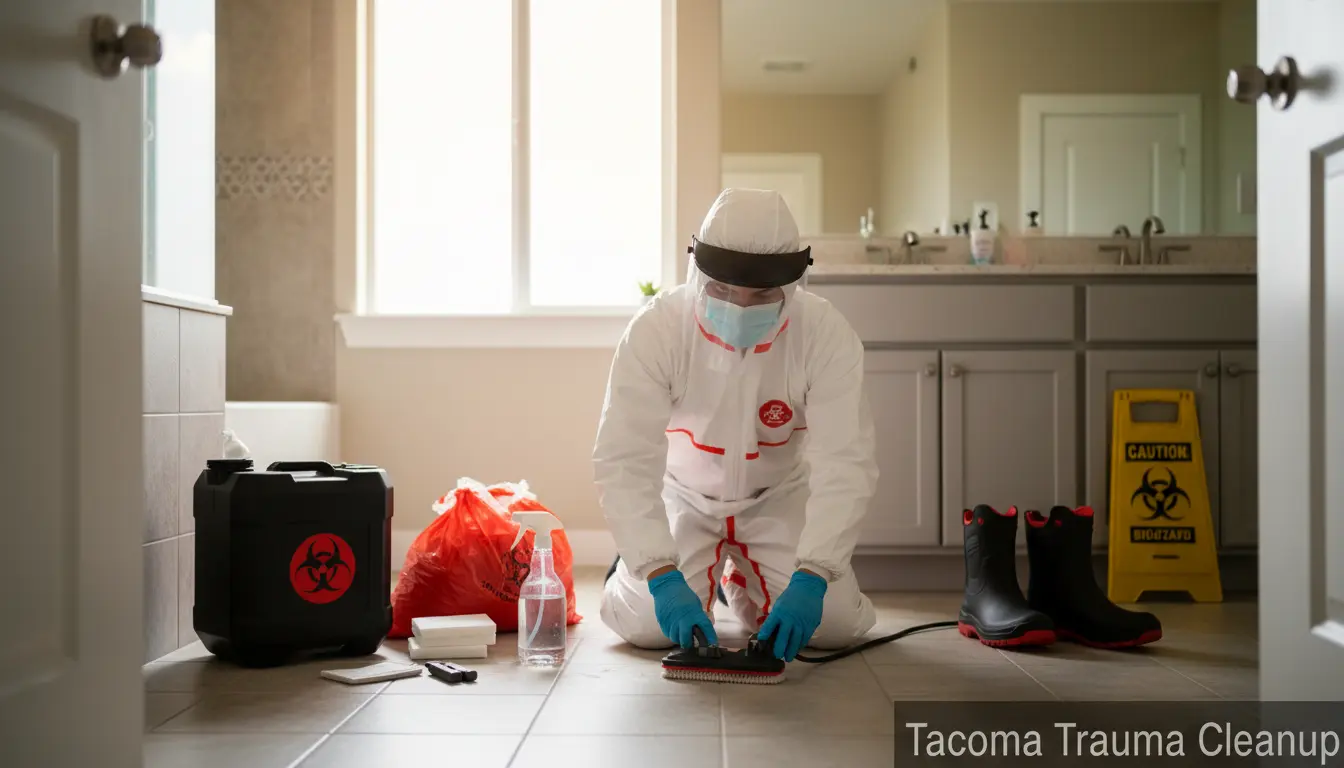
Wearing full PPE, including respirators and hazmat suits, we remove all biohazardous materials. This includes medical waste removal like needles or tissues, which are sealed in biohazard bags and transported to approved facilities.
Step 3: Cleaning and Disinfection
Surfaces are cleaned with hospital-grade disinfectants effective against a broad spectrum of pathogens. For porous materials like carpets in Tacoma homes, we may recommend removal to ensure no residues remain. Our disinfection and sanitization process uses EPA-approved agents for lasting protection.
Step 4: Deodorization and Restoration
Lingering odors are neutralized with advanced techniques, and the site is restored to its pre-incident condition. We work with insurance providers to minimize your out-of-pocket costs.
Practical Tips for Biohazard Prevention and Initial Response in Tacoma
While professional help is irreplaceable, proactive measures can reduce risks. Here’s actionable advice tailored to Washington State’s environment.
Prevention Strategies
- Home Safety: Install non-slip mats in Tacoma’s rainy climate to prevent falls and blood spills.
- Business Preparedness: In commercial spaces near Ruston, train staff on basic spill kits and emergency protocols.
- Regular Maintenance: For properties in Bonney Lake, schedule routine inspections to catch potential hazards early.
Initial Response Actions
If you encounter a biohazard:
- Evacuate the area immediately and avoid touching anything.
- Call emergency services if needed, then contact professionals like us at (253) 275-5387.
- Do not attempt cleanup—use caution tape to secure the site.
These steps can contain the situation until experts arrive, minimizing exposure in Tacoma’s dense urban settings.
When to Call in Experts: Signs You Need Biohazard Removal Services
Not every mess requires pros, but biohazards do. Watch for:
- Visible blood or bodily fluids.
- Foul odors indicating decomposition.
- Potential exposure to infectious diseases.
In Tacoma, where community events and traffic accidents are common, prompt action prevents community health risks. Delaying can lead to mold growth in our humid climate or attract pests.
For specialized needs, such as after a traumatic event, our homicide scene decontamination team provides compassionate, discreet service.
FAQ: Common Questions About Biohazard Removal in Washington State
1. How long does biohazard cleanup take in Tacoma?
The duration varies by scene size, but most residential jobs in Tacoma take 4-8 hours. Complex cases, like commercial sites, may require 1-2 days. We prioritize speed without compromising safety.
2. Is biohazard removal covered by insurance?
Yes, many homeowners and commercial policies cover it, especially for trauma or accident-related incidents. Tacoma Trauma Cleanup assists with claims to streamline the process.
3. What PPE do professionals use for biohazard removal?
Our team uses Level C hazmat suits, gloves, booties, respirators, and eye protection to ensure zero exposure. This meets Washington State’s stringent standards.
4. Can I clean small blood spills myself?
For minor, fresh spills without disease risk, yes—but use gloves, bleach solution, and dispose properly. For anything larger or unknown, call us at (253) 275-5387 to avoid health dangers.
5. How do I know if a cleanup company is certified in Washington?
Look for IICRC or OSHA certifications. Tacoma Trauma Cleanup is fully licensed, insured, and experienced in state regulations.
Conclusion: Secure Your Safety with Tacoma Trauma Cleanup
Biohazard removal in Washington State demands expertise, compliance, and compassion—qualities Tacoma Trauma Cleanup delivers every day. From the initial assessment to final restoration, we’re here to handle the tough jobs so you don’t have to. Serving Tacoma and nearby areas like Fife and University Place, our team ensures your property is safe and sanitary.
Don’t risk your health or face legal hurdles alone. Contact Tacoma Trauma Cleanup today at (253) 275-5387 for a free consultation and rapid response. Restore peace to your space—reach out now!