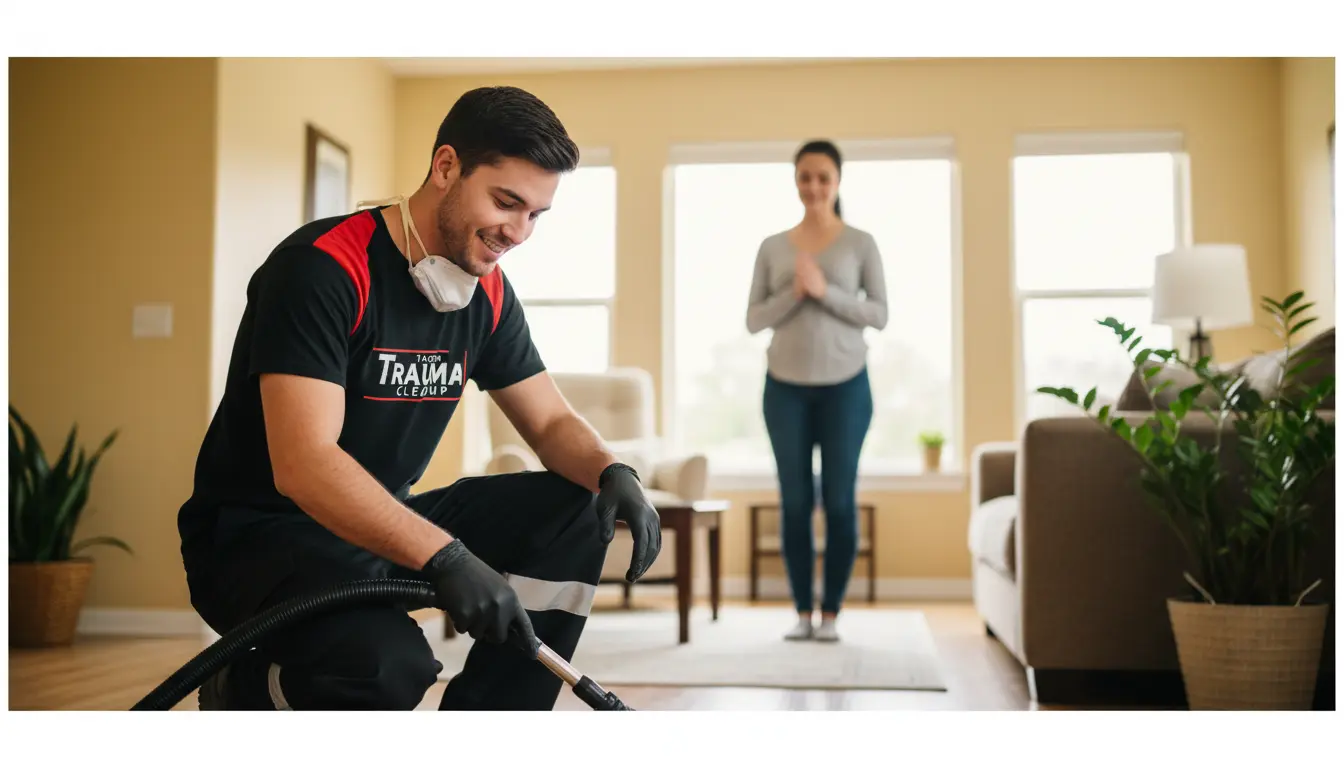
Living in Tacoma, with its vibrant neighborhoods like the Proctor District and bustling Hilltop area, means cherishing your home or business as a safe haven. But what happens when a traumatic event disrupts that peace? Whether it’s an accident, crime scene, or unattended death, the aftermath can leave invisible dangers lurking. As experts at Tacoma Trauma Cleanup, we’ve seen how quickly biohazards can compromise your space. In this guide, we’ll uncover the top 7 signs that it’s time to call in professionals for trauma cleanup. Don’t wait—early intervention protects your health and property value.
Understanding Trauma Cleanup in Tacoma
Trauma cleanup goes beyond regular cleaning; it involves specialized decontamination to handle blood, bodily fluids, and other biohazards. In a city like Tacoma, where urban life meets natural beauty along the Puget Sound, properties in areas such as University Place or Spanaway can face unique challenges from these incidents. Professional services ensure compliance with Washington state health regulations, using EPA-approved disinfectants and proper disposal methods.
Why DIY Isn’t Enough
Attempting to clean up after a trauma yourself might seem cost-effective, but it risks exposure to pathogens like hepatitis or HIV. Our team at Tacoma Trauma Cleanup uses PPE and advanced equipment to safely remove hazards, something no homeowner toolkit can match. Remember, improper handling can lead to cross-contamination, affecting your family’s well-being.
Sign 1: Persistent and Unexplained Odors
One of the first red flags is a foul smell that lingers despite airing out the space. Decomposition from an unattended death cleanup scenario releases gases that permeate walls, carpets, and furniture. In Tacoma’s humid climate, these odors can worsen, alerting you to hidden biohazards.
Practical Tip: If over-the-counter air fresheners fail, ventilate and inspect for sources. But for safety, contact pros immediately—our odor neutralization techniques restore freshness without masking issues.
Sign 2: Visible Stains or Discoloration
Blood or fluid stains on floors, walls, or upholstery that won’t budge with standard cleaners signal a need for blood spill removal. These marks aren’t just unsightly; they harbor bacteria if not addressed properly.
In Tacoma homes near the North End, where historic properties abound, such stains can damage valuable woodwork. Act quickly to prevent permanent etching.
Actionable Advice: Avoid scrubbing vigorously, as it spreads contaminants. Seal off the area and call Tacoma Trauma Cleanup for enzymatic cleaners that break down organic matter at the molecular level.
Sign 3: Evidence of Pests or Insects
Trauma sites attract rodents and insects drawn to organic debris. If you notice increased fly activity or droppings in your Tacoma property, it could indicate an underlying biohazard from a past incident.
Local Insight: In denser areas like Hilltop, pests thrive in urban settings. Professional cleanup includes pest deterrence, ensuring your space in Tacoma’s diverse neighborhoods stays secure.
Tip: Document the infestation and avoid pesticides until pros assess— they might uncover the root cause, like residue from a suicide cleanup service.
Sign 4: Structural Damage from Fluids
Biofluids can seep into subfloors, drywall, or insulation, causing warping, mold growth, or weakened structures. This is especially concerning in Tacoma’s older homes in the Proctor District, where moisture accelerates decay.
Practical Advice: Check for soft spots or bubbling paint. If present, evacuate the area to avoid mold inhalation. Our team uses moisture meters to detect and remediate hidden damage comprehensively.
Sign 5: Emotional or Psychological Distress
Beyond physical signs, if the property feels ‘off’ or triggers anxiety, it’s a cue for professional intervention. Trauma cleanup isn’t just physical—it’s about restoring peace. In Tacoma, where community ties are strong, reclaiming your space aids healing.
Actionable Step: Discuss with loved ones; if consensus points to unease, opt for full decontamination. We handle the mess so you can focus on recovery.
Linking to Related Services
For incidents involving accumulated debris post-trauma, consider our hoarding cleanup assistance, which often overlaps with trauma scenarios in cluttered Tacoma residences.
Sign 6: Health Symptoms Among Occupants
Unexplained illnesses like respiratory issues, skin irritations, or fatigue may stem from airborne pathogens. In a city with Tacoma’s variable weather, these symptoms can mimic allergies but trace back to uncleaned biohazards.
Tip: Monitor health post-incident. If symptoms persist, consult a doctor and call for cleanup. Our protocols eliminate 99.9% of pathogens, safeguarding your household in areas like Spanaway.
Sign 7: Legal or Insurance Notifications
If authorities or insurers flag the property due to a crime scene or accident, professional cleanup is often required for certification. In Washington, biohazard sites must be documented for liability reasons.
Advice: Keep records of the incident and contact us promptly. We provide detailed reports for insurance claims, easing the process for Tacoma property owners.
Prevention Tips for Tacoma Residents
To minimize risks, install smoke detectors, secure medications, and foster community watch in neighborhoods like University Place. Regular maintenance checks can catch early signs of neglect that lead to trauma events.
For crime-related traumas, understanding homicide scene decontamination processes can prepare you mentally and practically.
FAQ: Common Questions About Trauma Cleanup in Tacoma
What Does Professional Trauma Cleanup Involve?
It includes biohazard removal, disinfection, odor elimination, and restoration. At Tacoma Trauma Cleanup, we tailor services to your property’s needs, ensuring compliance with local Tacoma regulations.
How Long Does the Process Take?
Typically 1-5 days, depending on the site’s size and contamination level. We work efficiently to minimize disruption in busy areas like the North End.
Is Trauma Cleanup Covered by Insurance?
Often yes, for covered events like accidents or unattended deaths. Contact your provider and us at (253) 275-5387 for guidance on claims.
Can I Be Present During Cleanup?
For safety, we recommend vacating the premises. Our certified team handles everything discreetly and compassionately.
Why Choose Tacoma Trauma Cleanup?
With years serving Pierce County, including Hilltop and Proctor District, we offer 24/7 response, compassionate service, and eco-friendly methods. Your safety is our priority.
Conclusion: Take Action Today for a Safer Tomorrow
Ignoring these signs can escalate health risks and property damage, but recognizing them empowers you to act. In Tacoma’s close-knit communities, from Spanaway’s outskirts to University Place’s charm, a clean space fosters healing and security. If your property shows any of these top 7 signs, don’t delay—contact Tacoma Trauma Cleanup at (253) 275-5387 for prompt, professional assistance. We’re here to restore your peace of mind, one safe cleanup at a time.