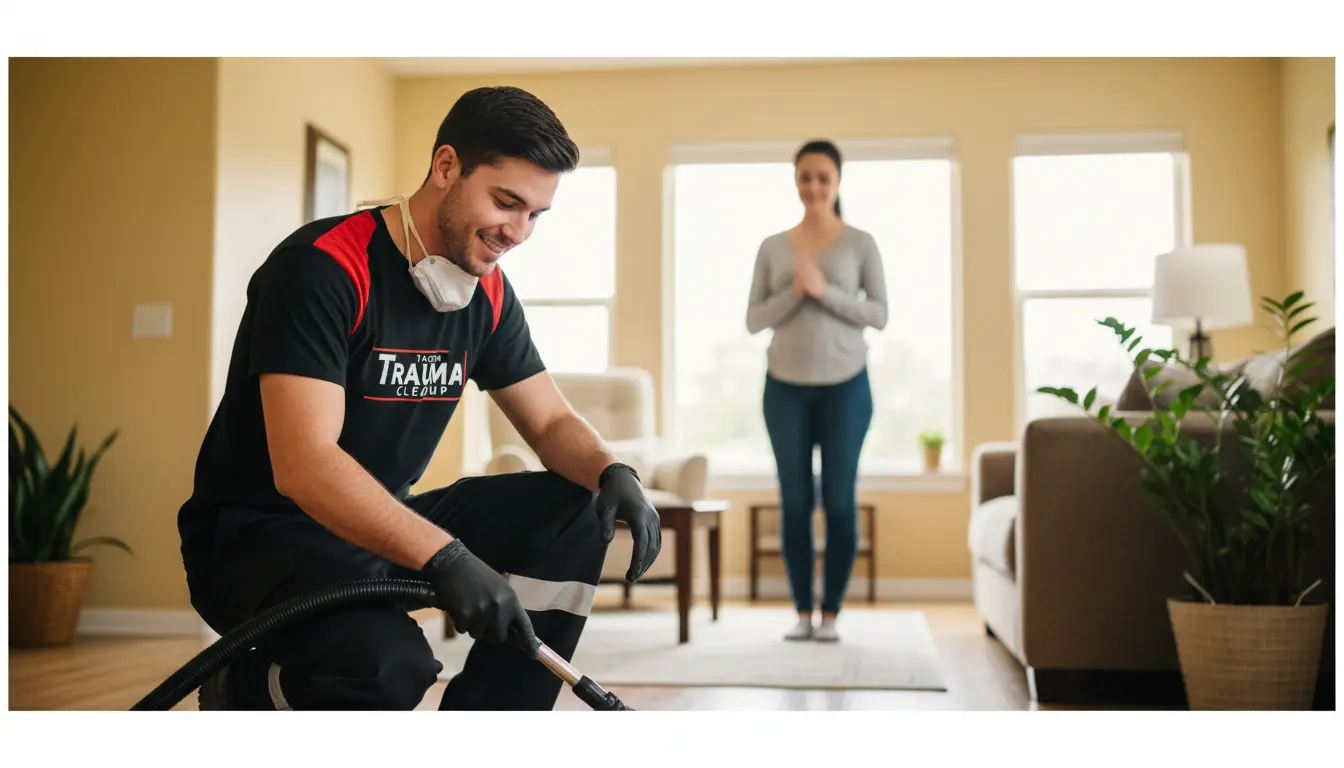
Contrary to popular belief, the majority of biohazard risks in trauma scenes come not from the visible blood and bodily fluids, but from the microscopic, invisible threats that can linger long after the initial cleanup. In Tacoma, Washington, this risk is exacerbated by the damp climate, which can accelerate bacterial growth and worsen biohazard odors. Given the potential for severe health hazards, including the transmission of bloodborne pathogens like Hepatitis B, C, and HIV, it’s crucial that property owners understand the importance of professional, certified trauma cleanup services.
In Tacoma, Washington, and surrounding areas, the risks associated with improper trauma scene handling are very real. The psychological and physical dangers of attempting to clean up a trauma scene without proper training, equipment, and protocols can have devastating consequences. This is why it’s essential to seek the services of a reputable, certified trauma cleanup company like Washington Biohazard Response, which specializes in providing discreet, compassionate, and scientifically rigorous cleanup services to families and businesses in need.
Washington Biohazard Response is the premier trauma cleanup service provider in Tacoma, Washington, offering a comprehensive range of services, including crime scene cleanup, unattended death remediation, hoarding cleanup, and biohazard removal. With a team of highly trained, certified technicians and a commitment to adherence with OSHA, ABRA, and EPA guidelines, Washington Biohazard Response is the go-to choice for property owners seeking to restore their properties to a safe, livable state.
Technical Process of Trauma Cleanup
The technical process of trauma cleanup involves a meticulous, step-by-step approach to ensure that all biohazard risks are identified, contained, and eradicated. This process begins with an initial risk assessment, which involves evaluating the scene to identify potential hazards, including bloodborne pathogens, sharps, and other infectious materials. Next, technicians establish control zones and containment areas to prevent cross-contamination and ensure that all affected areas are properly isolated.
Once the scene is secure, technicians proceed with the gross removal of biological materials, including blood, bodily fluids, and tissue. This is followed by a thorough sanitization and deodorization process, which involves the use of hospital-grade disinfectants and specialized equipment, such as ozone generators and electrostatic sprayers. Finally, technicians conduct ATP fluorescence testing to verify that all surfaces are clean and free of microbial contamination.
For more information on the trauma cleanup process, please visit our website at Washington Biohazard Response or contact us directly to speak with a certified technician. We also recommend checking out our guide on What to Expect from Trauma Cleanup in Tacoma for a more detailed overview of the process.
Data Comparison Table
When it comes to trauma cleanup, it’s essential to understand the differences between professional remediation services and standard janitorial or DIY cleaning methods. The following table highlights some key differences:
| Feature/Metric | Professional Remediation | Standard/DIY Cleaning |
|---|---|---|
| Pathogen Eradication | 99.99% effective | Limited to 50-70% effective |
| Structural Penetration Handling | Specialized equipment and protocols for deep cleaning | Limited to surface-level cleaning |
| Legal/Disposal Compliance | Full compliance with OSHA, ABRA, and EPA regulations | Risk of non-compliance and associated fines |
Source: OSHA Bloodborne Pathogens Standard
Expert Insights
As a certified biohazard remediation expert, I recommend the following advanced professional tips for trauma cleanup:
First, it’s essential to establish isolation zones to prevent cross-contamination and ensure that all affected areas are properly contained. Second, odor neutralizers are only effective if the source of the odor is removed from subflooring and other porous surfaces. Finally, ATP testing is crucial for verifying that all surfaces are clean and free of microbial contamination.
Common mistakes property owners make when attempting to clean up a trauma scene include using household bleach, which can create toxic fumes and fail to penetrate porous surfaces, and ignoring the risk of fluid migration under baseboards, which can lead to structural rot and severe health hazards.
Pricing
The cost of trauma cleanup services can vary depending on several factors, including:
- Regulated medical waste disposal weight/volume
- Structural tear-out requirements, such as drywall or carpet pad removal
- Required PPE tiers and equipment
At Washington Biohazard Response, we offer competitive pricing structures based on standard industry practices, including hourly rates plus disposal fees and tiered pricing based on hazard levels. For more information on our pricing and services, please visit our website at Washington Biohazard Response or contact us directly to speak with a certified technician.
Safety and Standards
At Washington Biohazard Response, we adhere to strict safety protocols and regulations, including OSHA 29 CFR 1910.1030, EPA regulations, and ABRA standards. Our technicians use EPA-registered hospital-grade disinfectants and follow established guidelines for personal protective equipment (PPE) and controlled containment procedures.
For more information on our safety protocols and standards, please visit our website at Washington Biohazard Response or contact us directly to speak with a certified technician. We also recommend checking out our guide on Choosing the Best Trauma Cleanup Service Near Tacoma, WA for more information on what to look for in a reputable trauma cleanup service provider.
FAQ Section
What is the difference between trauma cleanup and standard janitorial cleaning?
Trauma cleanup involves the specialized removal and disposal of biohazardous materials, including blood, bodily fluids, and tissue, whereas standard janitorial cleaning typically only addresses visible dirt and grime. Trauma cleanup requires specific training, equipment, and protocols to ensure that all biohazard risks are identified, contained, and eradicated.
How do I know if I need professional trauma cleanup services?
If you’ve experienced a traumatic event, such as a crime scene, unattended death, or accident, it’s essential to seek professional trauma cleanup services to ensure that your property is restored to a safe, livable state. Look for signs such as visible blood or bodily fluids, strong odors, or structural damage, and contact a reputable trauma cleanup service provider like Washington Biohazard Response for assistance.
What is the process for disposing of regulated medical waste?
The process for disposing of regulated medical waste involves specialized procedures and protocols to ensure compliance with OSHA, ABRA, and EPA regulations. This typically includes segregation, packaging, labeling, and transportation of waste to a licensed disposal facility. At Washington Biohazard Response, we follow established guidelines for regulated medical waste disposal to ensure that all biohazard risks are properly contained and eradicated.
How can I prevent cross-contamination during trauma cleanup?
To prevent cross-contamination during trauma cleanup, it’s essential to establish isolation zones, use proper personal protective equipment (PPE), and follow established protocols for containment and disinfection. At Washington Biohazard Response, our technicians are trained to follow strict safety protocols and guidelines to ensure that all biohazard risks are properly contained and eradicated.
Professional Trauma Cleanup in Tacoma, Washington
In conclusion, professional trauma cleanup is a critical service that requires specialized training, equipment, and protocols to ensure that all biohazard risks are identified, contained, and eradicated. At Washington Biohazard Response, we offer compassionate, discreet, and scientifically rigorous cleanup services to families and businesses in need. Our team of highly trained, certified technicians is committed to providing the highest level of service and care to ensure that your property is restored to a safe, livable state. For more information on our services, please visit our website at Washington Biohazard Response or contact us directly to speak with a certified technician. We also recommend checking out our guide on Top 7 Signs Your Property Needs Professional Trauma Cleanup for more information on what to look for in a reputable trauma cleanup service provider.