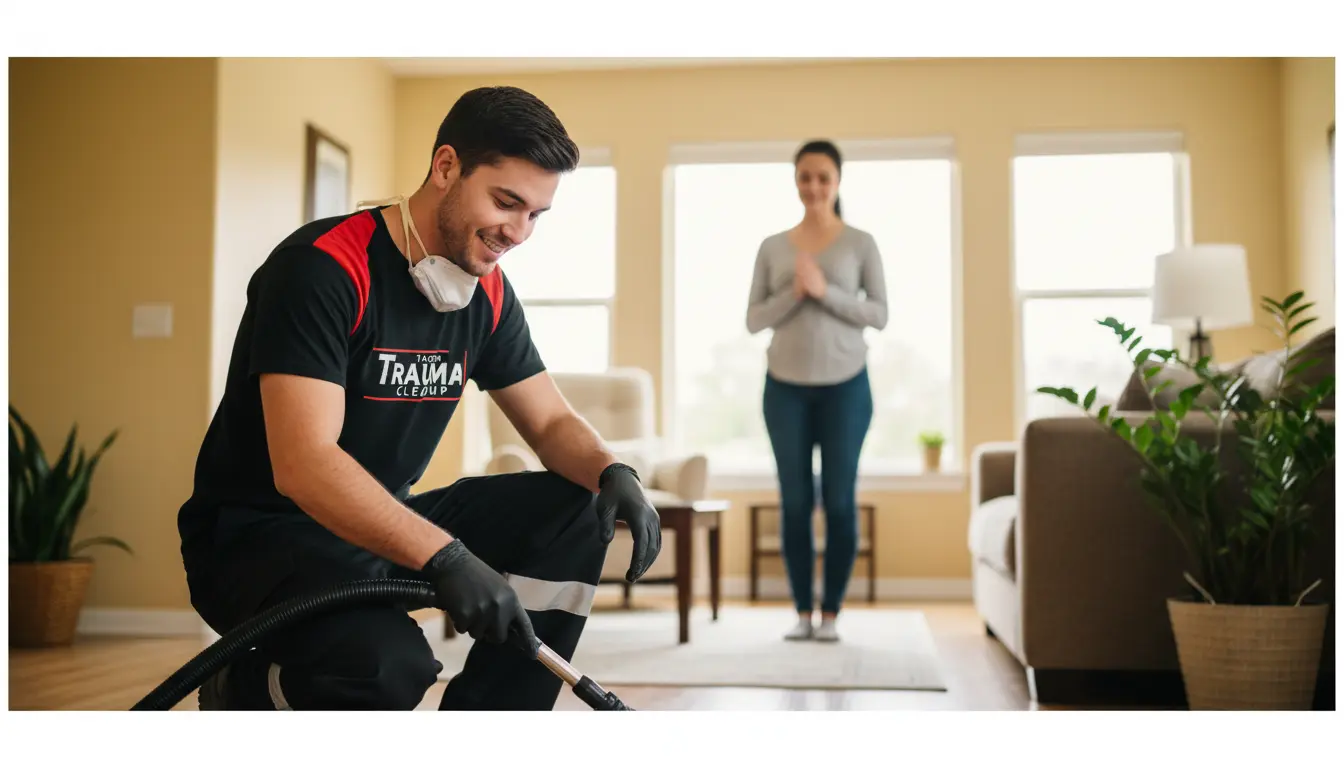
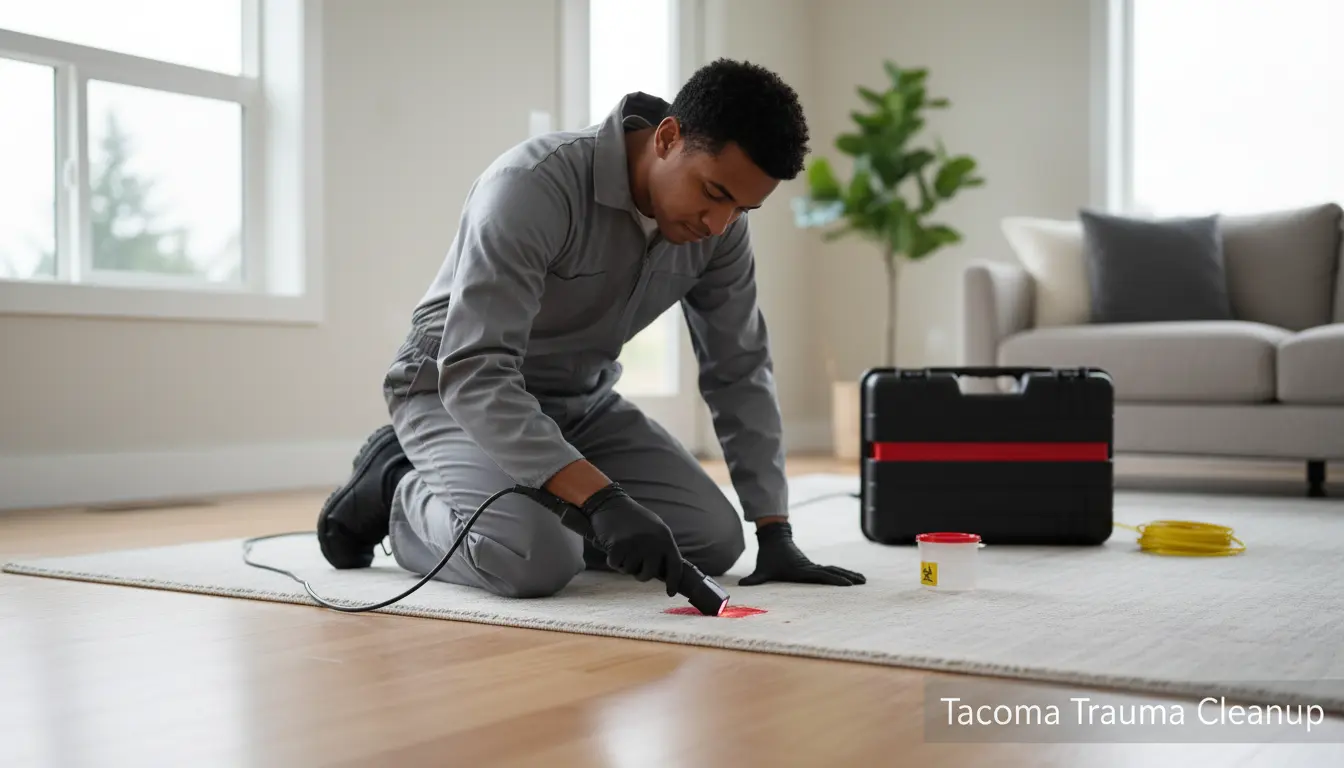
Facing a crime scene in your Tacoma home or neighborhood can be overwhelming, leaving you with a mix of grief, shock, and uncertainty. Whether it’s an unfortunate incident in the bustling Hilltop area or a quiet residential spot in Lakewood, the aftermath requires careful attention to health and safety. As a local resident, you might feel compelled to start cleaning up immediately, but improper handling can expose you to biohazards like bloodborne pathogens and bacteria. That’s where professional insight comes in. At Tacoma Trauma Cleanup, we specialize in restoring safety to spaces affected by trauma, serving Tacoma and surrounding areas with compassion and expertise. In this guide, we’ll walk you through safe practices to protect yourself while emphasizing why calling in pros like us is often the best first step.
Understanding the Risks of Crime Scene Cleanup in Tacoma
Crime scenes aren’t just about visible mess—they harbor invisible dangers that can linger if not addressed properly. In Tacoma, where urban density and community incidents vary from the waterfront districts to inland neighborhoods like Spanaway, exposure to these hazards is a real concern for residents.
Common Biohazards You Might Encounter
Blood, bodily fluids, and decomposing matter can carry diseases such as hepatitis, HIV, and even antibiotic-resistant bacteria. Tacoma’s humid climate can accelerate decomposition, making contaminants spread faster in enclosed spaces. Attempting DIY cleanup without knowledge risks contaminating your HVAC system or porous surfaces like carpets, which are common in local homes built during the city’s mid-20th-century boom.
For specialized handling of these elements, consider our biohazard cleanup services, tailored for Tacoma’s unique environmental challenges.
Legal and Health Regulations in Washington State
Washington state mandates strict protocols for biohazard disposal, including proper containment and licensed transport. As a Tacoma resident, violating these—such as dumping contaminated materials in regular trash—could lead to fines or health violations. Always prioritize OSHA guidelines, which recommend personal protective equipment (PPE) and decontamination procedures.
Essential Safety Precautions Before Starting Cleanup
Safety first: Never rush into a crime scene without preparation. In Tacoma’s variable weather, from rainy winters to mild summers, conditions can affect how hazards spread, so plan accordingly.
Gear Up with Proper PPE
Invest in high-quality PPE: nitrile gloves (thicker than latex for puncture resistance), full-body Tyvek suits, N95 respirators, and eye protection. Source these from local suppliers near DuPont or online, but ensure they’re rated for biohazards. Avoid reusing gear—dispose of it as hazardous waste.
Secure the Area and Notify Authorities
Tape off the scene to prevent accidental entry, especially in family homes common in Steilacoom’s tight-knit communities. Contact Tacoma Police if not already done, as they may require documentation. If the incident involves a vehicle, check for accident site cleanup needs, which we handle efficiently.
Step-by-Step Guide to Safe Crime Scene Cleanup
Follow this structured approach to minimize risks. Remember, for complex cases like those involving weapons or multiple victims, professional intervention is crucial—reach out to Tacoma Trauma Cleanup at (253) 275-5387 for immediate support.
Step 1: Assess and Ventilate the Space
Enter only if safe, using a flashlight to avoid electrical hazards. Open windows and doors for ventilation, but in Tacoma’s drafty older homes, use fans directed outward to avoid spreading particles. Document the scene with photos for insurance or legal purposes.
Step 2: Remove Large Debris and Contain Fluids
Use absorbent materials like cat litter or commercial biohazard powders to soak up fluids. Double-bag everything in heavy-duty red biohazard bags, labeled clearly. For hoarding situations that complicate scenes—prevalent in some Tacoma areas—our hoarding cleanup assistance can provide the extra support needed.
Step 3: Disinfect Surfaces Thoroughly
Clean with EPA-approved disinfectants like bleach solutions (1:10 ratio) or quaternary ammonium compounds. Scrub from top to bottom, focusing on high-touch areas. In Tacoma’s wooden structures, pay extra attention to floors and walls to prevent mold growth from residual moisture.
Step 4: Handle Porous Materials and Disposal
Discard carpets, upholstery, and drywall if saturated—they can’t be fully decontaminated. Transport waste to a licensed facility; Tacoma residents can use Pierce County hazardous waste drop-offs, but confirm biohazard acceptance. Never use your personal vehicle.
Step 5: Final Decontamination and Air Quality Check
After cleaning, use foggers or UV lights for residual pathogens. Test air quality if possible, especially in enclosed Tacoma apartments. For urgent situations, our emergency response cleanup team arrives within hours to ensure thorough restoration.
When to Call Professional Help: Tacoma Trauma Cleanup’s Role
While these tips empower you for minor incidents, most crime scenes exceed DIY capabilities. Professionals like Tacoma Trauma Cleanup bring certified tools, insurance coverage, and emotional support. We’ve served Tacoma for years, from homicide scene decontamination in high-crime zones to compassionate cleanups in family-oriented areas like Lakewood. Our 24/7 availability means we’re there when you need us most—dial (253) 275-5387.
Local knowledge matters: We understand Tacoma’s layout, from navigating I-5 traffic for quick response to complying with Puget Sound regulations on waste.
FAQ: Common Questions About Crime Scene Cleanup in Tacoma
1. How soon should I start cleaning after a crime scene in Tacoma?
Address it immediately to prevent health risks, but secure the area first and consult authorities. For professional help, contact us right away to avoid further contamination.
2. Can I clean a small blood spill myself safely?
For minor spills under a cup, yes—with PPE and disinfectants. Larger or unknown exposures? Call Tacoma Trauma Cleanup to handle it properly.
3. What are the costs associated with crime scene cleanup in Tacoma?
Costs vary by size and complexity, often covered by homeowner’s insurance or victim’s funds. We provide free estimates—reach out at (253) 275-5387.
4. Is crime scene cleanup service available 24/7 in areas like Spanaway?
Absolutely. Our team covers all Tacoma suburbs, including Spanaway, with rapid response times tailored to local needs.
5. How do I dispose of biohazard waste as a Tacoma resident?
Use licensed services only. We manage this end-to-end, ensuring compliance with state laws.
Conclusion: Prioritize Safety and Peace of Mind
Handling crime scene cleanup safely is about more than just the physical task—it’s reclaiming your space and starting the healing process. As Tacoma residents, we know the community’s resilience, but you don’t have to face this alone. Follow these guidelines, but for the best results, trust the experts at Tacoma Trauma Cleanup. We’re committed to compassionate, thorough service that lets you focus on recovery. Don’t hesitate—call (253) 275-5387 today for a confidential consultation and get your home back to safety.