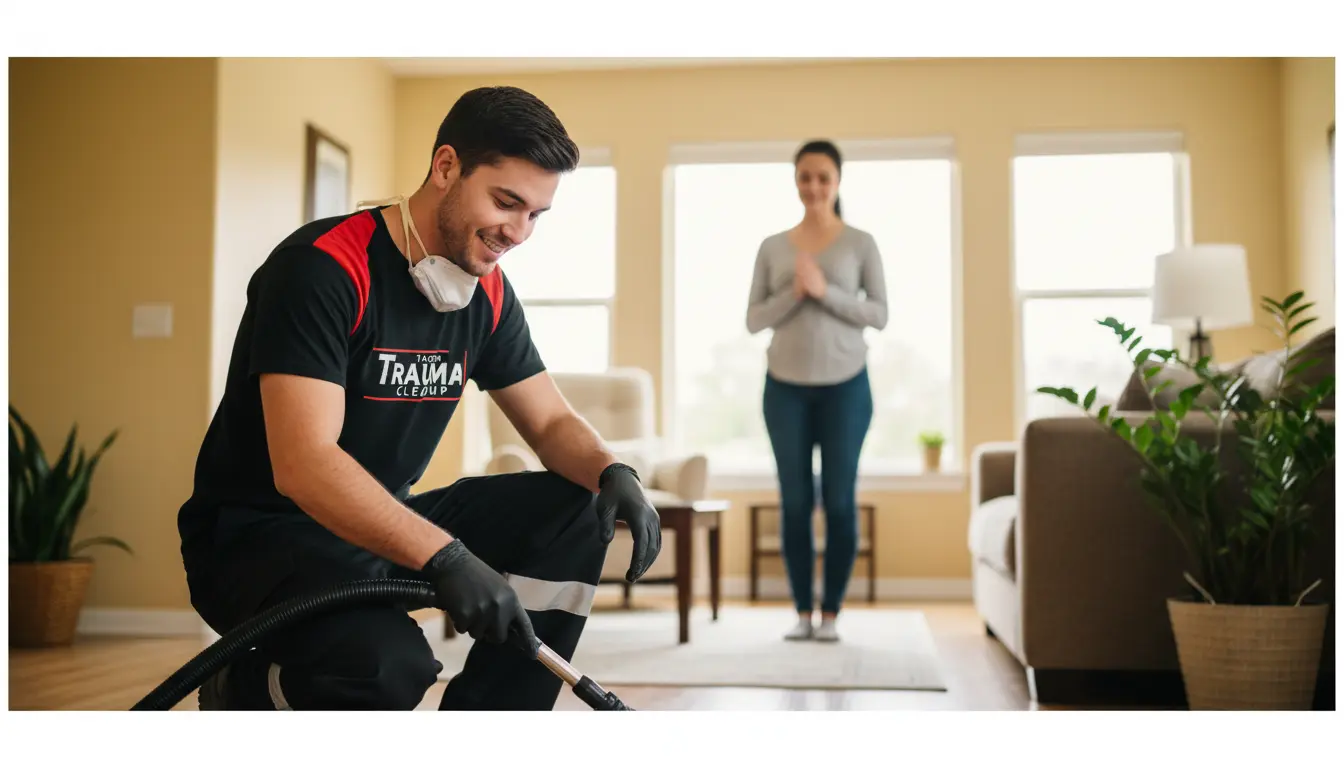
As a certified biohazard remediation expert, I recall a particularly challenging trauma scene in Lakewood where a family’s home was contaminated with bloodborne pathogens. The emotional toll on the family was evident, and it was crucial to handle the situation with sensitivity and professionalism. This experience reinforced the importance of choosing the best trauma cleanup service to ensure not only the physical safety of the occupants but also their emotional well-being.
The risks associated with biohazard exposure are very real, and improper handling can lead to severe health consequences. In areas like Lakewood and University Place, where the damp climate can exacerbate bacterial growth and biohazard odors, it’s critical to have a reliable and certified trauma cleanup service. Residents of Lakewood and University Place need to understand the importance of professional trauma cleanup in maintaining indoor safety and preventing long-term health issues.
At Washington Biohazard Response, we pride ourselves on being the premier trauma cleanup service in the area, providing discreet and authoritative solutions for families and businesses in need. Our team of experts is trained to handle a wide range of biohazard situations, from forensic cleaning to crime scene cleaning, ensuring that each property is restored to a safe and livable state.
Technical Process of Trauma Cleanup
The process of professional trauma cleanup involves several critical steps, starting with an initial risk assessment to identify potential biohazard risks. This assessment helps in establishing control zones and containment to prevent cross-contamination. The next step involves the removal of gross biological material, followed by sanitization and deodorization using hospital-grade equipment and EPA-registered disinfectants.
Tools such as ozone generators and electrostatic sprayers are utilized for their effectiveness in breaking down cellular structures and eliminating pathogens. The use of proper PPE (Personal Protective Equipment) is also crucial in protecting our technicians from biohazard exposure. Finally, ATP (Adenosine Triphosphate) fluorescence testing is conducted to verify the eradication of pathogens and ensure the property is safe for reoccupation.
Local variables such as environmental moisture and ambient humidity in the PNW (Pacific Northwest) play a significant role in dictating the chosen remediation method. For instance, the damp climate in Lakewood and University Place may require additional measures to prevent the growth of bacteria and mold, underscoring the need for a tailored approach to trauma cleanup.
Data Comparison
When comparing professional biohazard remediation to standard janitorial or DIY cleaning, several key differences emerge. The table below highlights some of these differences:
| Feature/Metric | Professional Remediation | Standard/DIY Cleaning |
|---|---|---|
| Pathogen Eradication | 99.99% effective | Variable, often incomplete |
| Structural Penetration Handling | Addressed with specialized equipment and techniques | Often overlooked or inadequately addressed |
| Legal/Disposal Compliance | Adheres to OSHA, EPA, and local regulations | May not comply with all relevant regulations |
Source: OSHA Bloodborne Pathogens Standard
Expert Insights
As a certified biohazard remediation expert, I can offer several advanced professional tips for property owners dealing with trauma scenes. First, it’s essential to establish isolation zones to prevent cross-contamination. Second, odor neutralizers are ineffective if the source of the odor isn’t removed, particularly from subflooring. Third, ATP testing is crucial for verifying the complete eradication of pathogens.
Common mistakes property owners make include using household bleach on blood, which can create toxic fumes and fail to penetrate porous surfaces, and ignoring the risk of fluid migration under baseboards, which can lead to structural rot or severe health hazards. Understanding these pitfalls can help property owners make informed decisions when dealing with trauma cleanup.
Pricing
The cost of biohazard cleanup can vary widely depending on several factors, including the level of hazard, the size of the affected area, and the required disposal methods. Some services may charge hourly rates plus disposal fees, while others may offer tiered pricing based on the level of hazard. Factors that influence cost include regulated medical waste disposal weight/volume, structural tear-out requirements, and the required PPE tiers.
- Hourly rates for technicians and equipment
- Disposal fees for regulated medical waste
- Costs associated with structural repairs or replacements
Safety and Standards
Safety and adherence to standards are paramount in biohazard cleanup. Our team adheres to specific certifications and regulations, including OSHA 29 CFR 1910.1030, EPA regulations, and ABRA standards. We use EPA-registered hospital-grade disinfectants and follow strict safety protocols to protect both our technicians and the occupants of the property.
Technical terms such as ATP fluorescence testing, bloodborne pathogens, cross-contamination, vector control, enzymatic digestion, and HEPA filtration are not just industry jargon; they represent the rigorous standards and practices that ensure the safe and effective cleanup of trauma scenes.
FAQ
What is the difference between biohazard cleanup and standard cleaning?
Biohazard cleanup involves the removal and disposal of biological contaminants such as blood, bodily fluids, and other potentially infectious materials. It requires specialized training, equipment, and protocols to ensure the safe handling and disposal of these materials. Standard cleaning, on the other hand, does not address the specific risks associated with biological contaminants and may not effectively eradicate pathogens.
How long does biohazard cleanup typically take?
The duration of biohazard cleanup can vary significantly depending on the extent of the contamination, the size of the affected area, and the complexity of the cleanup process. It can range from a few hours for small, contained incidents to several days or even weeks for larger, more complex scenes.
Is biohazard cleanup covered by insurance?
Whether biohazard cleanup is covered by insurance depends on the specific policy and the circumstances of the incident. Many homeowners and business insurance policies cover biohazard cleanup as part of their property damage or liability coverage. However, it’s essential to review your policy and consult with your insurance provider to determine the extent of your coverage.
Professional Trauma Cleanup in Lakewood and University Place
In conclusion, the importance of professional trauma cleanup in Lakewood and University Place cannot be overstated. The risks associated with biohazard exposure are real, and improper handling can have severe consequences. At Washington Biohazard Response, we are committed to providing compassionate, reliable, and scientifically rigorous trauma cleanup services to families and businesses in need. Whether you’re dealing with a death scene, suicide cleanup, or any other type of biohazard situation, we are here to help. Our team of experts is trained to handle a wide range of biohazard situations, from hoarding cleanup to emergency response cleanup, ensuring that each property is restored to a safe and livable state. For more information on our services, please visit our services page or our blog for informative articles on trauma cleanup and biohazard remediation.