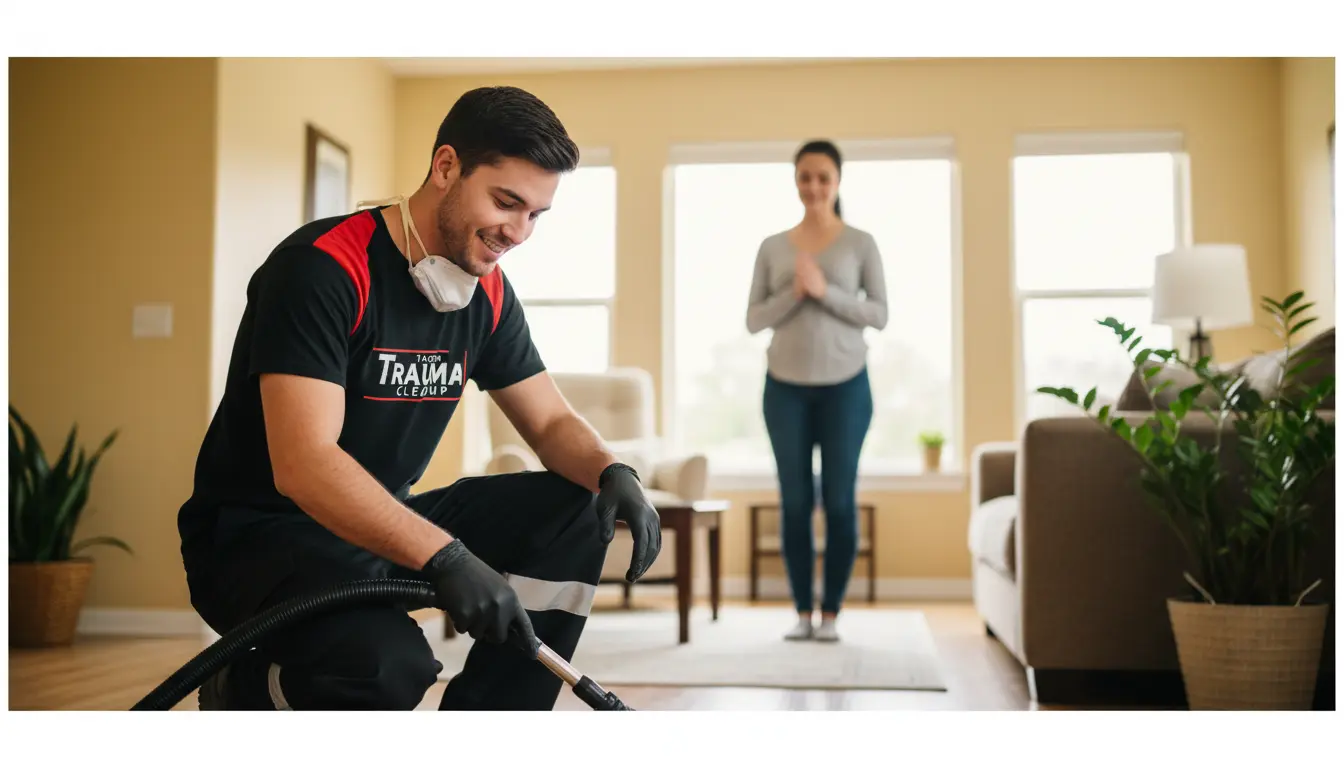
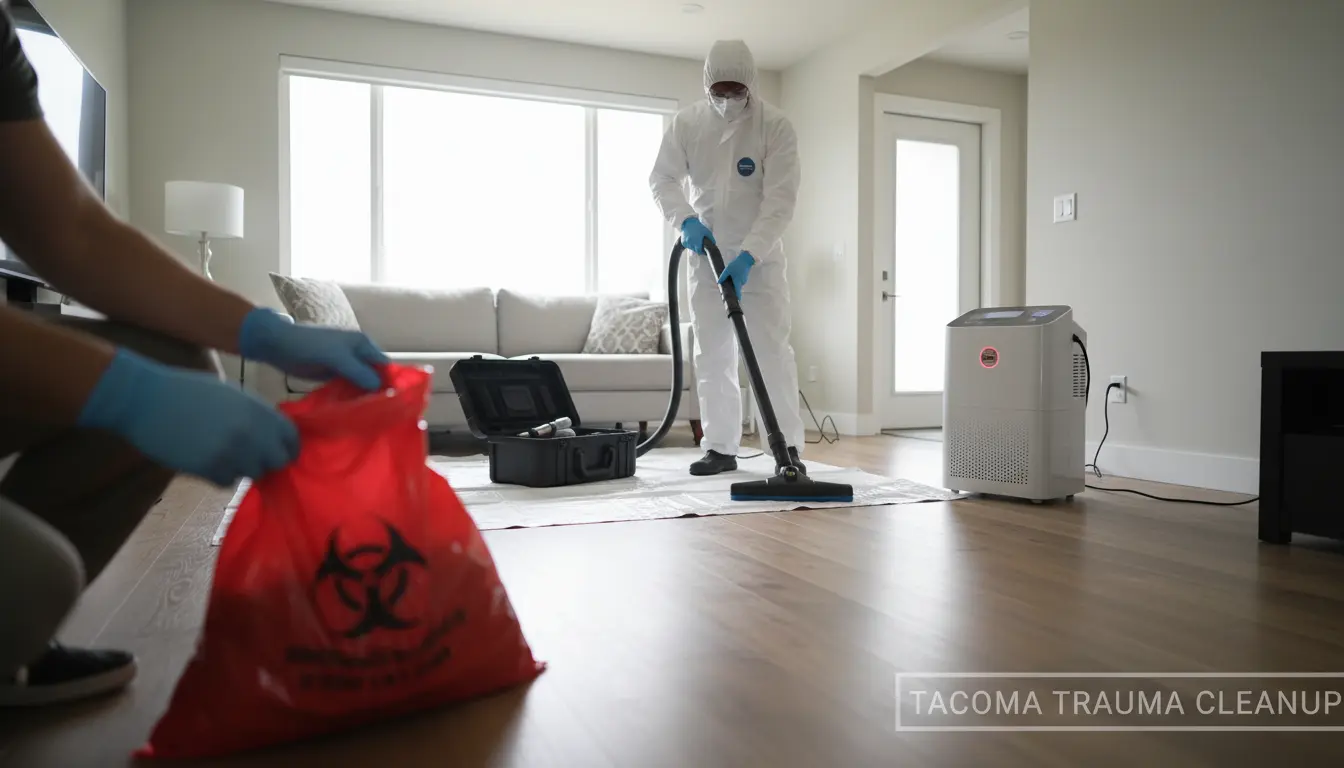
Trauma incidents, whether from accidents, crimes, or unattended deaths, can leave homes in Tacoma feeling unsafe and overwhelming. As a resident of this vibrant Pacific Northwest city, you know how quickly such events can disrupt the sense of security in your North End neighborhood or bustling downtown area. But there’s hope: proper trauma cleanup isn’t just about restoration—it’s about reclaiming your space and peace of mind. At Tacoma Trauma Cleanup, we’ve helped countless families navigate these challenging situations with compassion and expertise. In this guide, we’ll walk you through the five essential steps for effective trauma cleanup, tailored to Tacoma’s unique climate and community needs. Whether you’re dealing with a recent incident or seeking preventive knowledge, these steps will empower you to act swiftly and safely.
Understanding Trauma Cleanup: Why It Matters in Tacoma
Trauma cleanup goes beyond regular cleaning; it involves handling biohazards, odors, and emotional residues that standard methods can’t address. In Tacoma, where rainy weather can exacerbate contamination spread, ignoring these elements risks health hazards like mold growth or bacterial infections. According to local health guidelines, prompt professional intervention is crucial to prevent long-term issues.
The Risks of DIY Attempts
Attempting trauma cleanup without proper training can expose you to pathogens, leading to serious health risks. For instance, bloodborne illnesses like hepatitis can linger if not disinfected correctly. In Tacoma’s humid environment, improper handling might also lead to persistent odors that seep into your home’s structure. That’s why professional biohazard cleanup services are recommended for thorough, safe restoration.
Step 1: Secure the Area and Ensure Safety
The first and most critical step is to secure the affected area to prevent further contamination or accidental exposure. Start by evacuating the space and restricting access—use caution tape or signage if needed. In Tacoma homes, especially older ones in the Hilltop area, ensure ventilation to avoid airborne hazards.
Practical Tips for Securing Your Space
- Assess the Scene: Document the area with photos for insurance or authorities, but avoid touching anything.
- Personal Protective Equipment (PPE): If you must enter briefly, wear gloves, masks, and goggles. For full safety, contact experts who provide emergency biohazard response in the North End.
- Notify Authorities: In Tacoma, report incidents to local law enforcement if required, ensuring compliance with Pierce County regulations.
This step minimizes risks and sets the foundation for a controlled cleanup process.
Step 2: Remove Biohazardous Materials
Once secured, the focus shifts to removing contaminated items. Biohazards like blood, bodily fluids, and tissues must be handled as medical waste to comply with OSHA standards.
Actionable Advice for Material Removal
- Identify Contaminants: Look for visible fluids, porous items (carpets, fabrics) that absorb hazards, and non-porous surfaces that can be decontaminated.
- Proper Disposal: Use sealed biohazard bags and transport to approved facilities. Tacoma residents can utilize local waste services, but professionals ensure everything follows EPA guidelines.
- Tools Needed: Heavy-duty bags, absorbent powders, and disinfectants. For complex cases, like those in multi-story homes near Proctor District, rely on specialized biohazard cleanup to avoid cross-contamination.
Remember, incomplete removal can lead to recurring issues, especially in Tacoma’s damp climate where moisture promotes bacterial growth.
Step 3: Thorough Disinfection and Decontamination
Disinfection is where the magic happens—eliminating invisible threats. Use EPA-approved solutions like bleach or hydrogen peroxide at correct dilutions (1:10 for blood).
Best Practices for Disinfection in Tacoma Homes
- Surface Cleaning: Wipe down all hard surfaces, paying attention to Tacoma’s wooden floors or vinyl that might harbor residues.
- Odor Neutralization: Apply enzyme cleaners to break down organic matter. In rainy seasons, use dehumidifiers to prevent mold.
- UV Light and Fogging: For hard-to-reach areas, professionals employ foggers or UV treatments. If you’re in the Stadium District, consider how urban dust can complicate this—opt for expert services in Central Tacoma to ensure complete coverage.
This step restores hygiene and prevents health risks, making your home livable again.
Step 4: Restore and Repair the Affected Area
After decontamination, repair any damage to bring your Tacoma home back to its pre-incident state. This might involve carpet replacement, wall repainting, or structural fixes.
Tips for Effective Restoration
- Assess Damage: Check for stains, warping, or weakened materials. In Tacoma’s variable weather, address water damage promptly to avoid rot.
- Material Selection: Choose antimicrobial paints and hypoallergenic fabrics for lasting protection.
- Professional Help: For extensive repairs, like in historic homes in Old Town, hire certified restorers. Link this to broader biohazard remediation processes for seamless integration.
Restoration not only fixes physical damage but also aids emotional healing for your family.
Step 5: Final Inspection and Prevention Planning
The cleanup culminates in a thorough inspection to verify safety. Test for residues using ATP meters or hire certified inspectors.
Long-Term Prevention Strategies
- Regular Maintenance: In Tacoma, schedule annual deep cleans, especially post-flood risks from the Puyallup River.
- Emergency Kits: Keep PPE and basic cleaners on hand.
- Professional Partnerships: Establish contact with local services for quick response. For South Tacoma residents, explore trauma scene cleanup in South End to stay prepared.
By planning ahead, you safeguard against future incidents.
FAQ: Common Questions About Trauma Cleanup in Tacoma
What Should I Do Immediately After a Trauma Incident?
Secure the area, avoid touching anything, and call professionals like Tacoma Trauma Cleanup at (253) 275-5387. Do not attempt cleanup yourself to prevent health risks.
How Long Does Trauma Cleanup Take in a Tacoma Home?
It varies by severity—small scenes may take a day, while larger ones need 3-5 days. Our team ensures minimal disruption to your routine.
Is Trauma Cleanup Covered by Insurance in Washington State?
Often yes, under homeowners’ policies for biohazards. We assist with claims to make the process stress-free.
Can I Handle Minor Trauma Cleanup Myself?
For very minor cases, yes, but always use proper PPE and disinfectants. For anything involving blood or death, professional biohazard cleanup in West End is essential.
Why Choose Tacoma Trauma Cleanup for My Home?
We’re local experts familiar with Tacoma’s regulations and climate, providing compassionate, efficient service 24/7.
Conclusion: Take Control with Tacoma Trauma Cleanup
Navigating trauma cleanup in your Tacoma home doesn’t have to be daunting. By following these five essential steps—securing the area, removing biohazards, disinfecting thoroughly, restoring damages, and planning prevention—you can restore safety and serenity. At Tacoma Trauma Cleanup, we’re here to support you every step of the way, from initial assessment to final walkthrough. Don’t let trauma linger; contact us today at (253) 275-5387 for a free consultation and let our experienced team handle the rest. Reclaim your home—Tacoma deserves it.