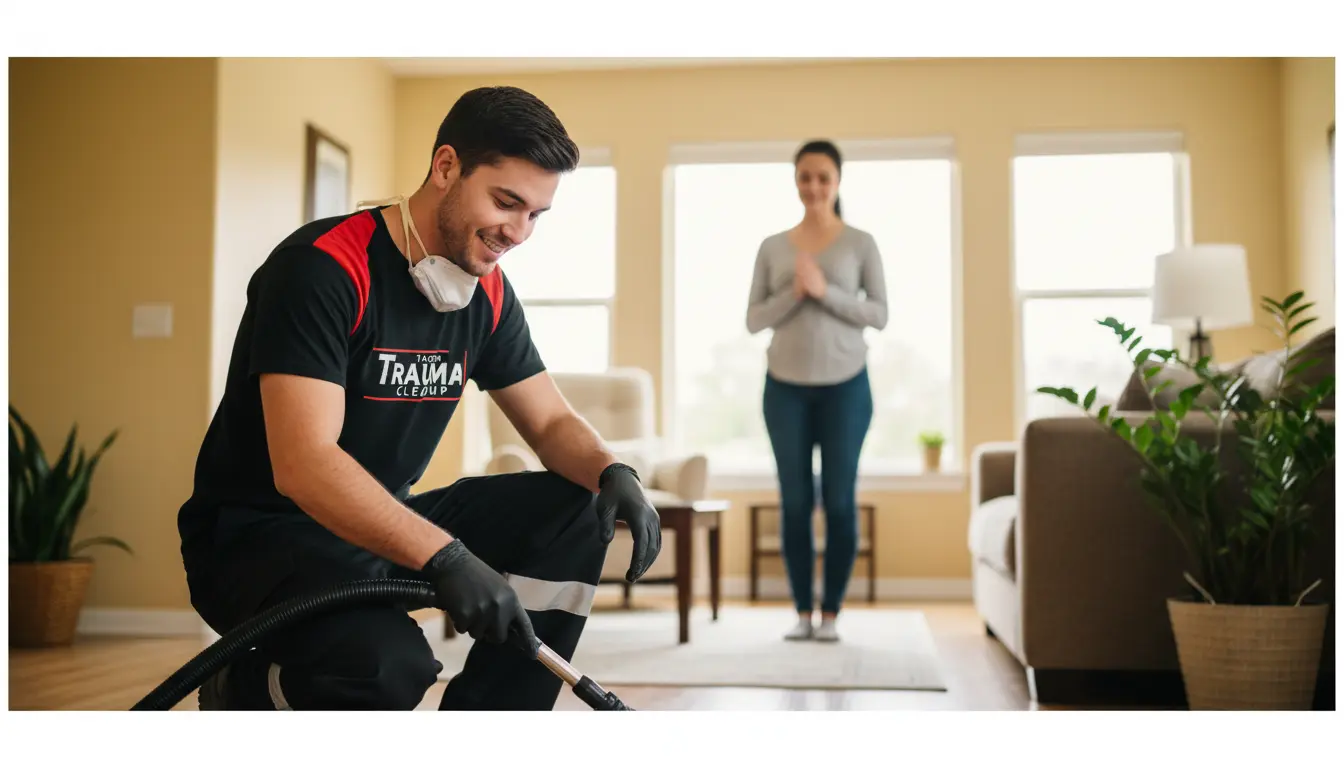
Contrary to popular belief, the most critical aspect of trauma cleanup in Tacoma is not the visible signs of trauma, but rather the invisible biological hazards that can linger long after the incident. These hazards can pose significant risks to the health and well-being of individuals who come into contact with them, making professional biohazard remediation absolutely critical. In Tacoma, the unique combination of environmental factors, such as the region’s mild climate and proximity to waterways, can affect the spread and persistence of biological hazards, underscoring the need for specialized cleanup services.
The importance of professional biohazard remediation in Tacoma cannot be overstated. Not only can it help prevent the spread of diseases and infections, but it can also provide peace of mind for individuals who have experienced a traumatic event. At Washington Biohazard Response, our team of certified biohazard remediation experts is dedicated to providing compassionate and effective cleanup services to individuals and families in need. For more information on our services, visit our Local Trauma Cleanup Experts Serving Tacoma and Surrounding Areas page.
In the aftermath of a traumatic event, it’s essential to understand the importance of professional biohazard remediation. This process involves a thorough assessment of the scene, followed by the removal of any biological hazards, and finally, the disinfection and decontamination of the affected area. Our team uses specialized equipment, such as HEPA air scrubbers and hydroxyl generators, to ensure that all biological hazards are eliminated, and the area is safe for occupancy. To learn more about the trauma cleanup process, visit our What to Expect from Trauma Cleanup in Tacoma page.
Technical Process
The technical process of biohazard remediation involves several critical steps. First, our team conducts a thorough assessment of the scene to identify all potential biological hazards. This includes the use of specialized equipment, such as ATP monitoring systems, to detect the presence of biological matter. Next, we implement OSHA-compliant containment procedures to prevent the spread of biological hazards to other areas of the property. For more information on our containment procedures, visit our Emergency Response Cleanup page.
Once containment is in place, our team begins the process of removing all biological hazards from the affected area. This includes the use of specialized personal protective equipment (PPE) to prevent exposure to biological hazards. After removal, the area is thoroughly disinfected and decontaminated using EPA-registered, broad-spectrum hospital-grade disinfectants. To learn more about our disinfection and decontamination procedures, visit our Property Restoration After Trauma page.
Data Comparison Table
The following table compares the effectiveness of professional biohazard remediation versus standard janitorial or DIY cleaning methods:
| Feature/Metric | Professional Remediation | Standard/DIY Cleaning |
|---|---|---|
| Pathogen Eradication | 99.99% | 50-75% |
| Legal/OSHA Compliance | 100% | 0-50% |
| Structural Penetration | Deep cleaning and disinfection of all affected areas | Superficial cleaning, potentially leaving behind biological hazards |
Source: OSHA Bloodborne Pathogens Standard
Expert Insights
As certified biohazard remediation experts, we have seen firsthand the importance of proper cleanup procedures. One common mistake that property owners make is using household bleach to clean up biological fluids. This can actually make the situation worse, as bleach can react with the fluids to create toxic gases. Instead, it’s essential to use EPA-registered, broad-spectrum hospital-grade disinfectants that are specifically designed to eliminate biological hazards. For more information on our biohazard remediation services, visit our Biohazard Cleanup page.
Another critical aspect of biohazard remediation is the use of negative air pressure to prevent the spread of biological hazards to other areas of the property. This involves creating a negative pressure environment in the affected area, which prevents any airborne biological hazards from escaping. Our team uses specialized equipment, such as HEPA air scrubbers, to create and maintain this negative pressure environment. To learn more about our negative air pressure procedures, visit our Accident Site Cleanup page.
Pricing
The cost of biohazard remediation services can vary depending on several factors, including the size of the affected area, the type and severity of the biological hazard, and the level of complexity involved in the cleanup process. Some common factors that influence cost include:
- Depth of biological fluid penetration into subflooring or drywall
- Total volume of regulated medical waste manifesting
- Specific infectious disease protocols required
At Washington Biohazard Response, we understand that the cost of biohazard remediation services can be a significant concern for individuals and families. That’s why we offer competitive pricing and flexible payment options to help make our services more accessible. For more information on our pricing, visit our Contact Us page.
Safety and Standards
The safety and well-being of our clients and our team members is our top priority. That’s why we adhere to the highest standards of safety and compliance in all of our biohazard remediation services. We are fully compliant with OSHA regulations, including 29 CFR 1910.1030, and we follow all guidelines set forth by the American Bio-Recovery Association (ABRA). For more information on our safety protocols, visit our About Us page.
In addition to our commitment to safety and compliance, we are also dedicated to providing compassionate and respectful service to our clients. We understand that the aftermath of a traumatic event can be a difficult and emotional time, and we are here to support you every step of the way. To learn more about our services and how we can help you, visit our Areas We Serve page.
FAQ Section
What is biohazard remediation, and why is it necessary?
Biohazard remediation is the process of removing and disposing of biological hazards, such as blood, bodily fluids, and other potentially infectious materials. This process is necessary to prevent the spread of diseases and infections, and to ensure the health and safety of individuals who come into contact with the affected area. For more information on biohazard remediation, visit our Hoarding Cleanup Assistance page.
What types of biological hazards can be found in a trauma scene?
Trauma scenes can contain a wide range of biological hazards, including blood, bodily fluids, and other potentially infectious materials. These hazards can pose significant risks to the health and well-being of individuals who come into contact with them, making professional biohazard remediation absolutely critical. To learn more about the types of biological hazards found in trauma scenes, visit our Unattended Death Cleanup page.
How long does the biohazard remediation process typically take?
The length of time required for biohazard remediation can vary depending on several factors, including the size of the affected area, the type and severity of the biological hazard, and the level of complexity involved in the cleanup process. In general, the process can take anywhere from a few hours to several days to complete. For more information on the biohazard remediation process, visit our Suicide Cleanup Services page.
What should I do if I encounter a biological hazard in my home or business?
If you encounter a biological hazard in your home or business, it’s essential to take immediate action to prevent the spread of the hazard and to protect the health and well-being of individuals who may come into contact with it. This includes containing the hazard, disposing of any contaminated materials, and seeking professional biohazard remediation services as soon as possible. To learn more about what to do in the event of a biological hazard, visit our Blog page.
Professional Biohazard Remediation in Tacoma, WA
In conclusion, professional biohazard remediation is a critical service that is essential for ensuring the health and safety of individuals who have experienced a traumatic event. At Washington Biohazard Response, our team of certified biohazard remediation experts is dedicated to providing compassionate and effective cleanup services to individuals and families in need. If you are in need of biohazard remediation services, don’t hesitate to contact us. We are here to support you every step of the way. For more information on our services, visit our Washington Biohazard Response page.
Remember, the aftermath of a traumatic event can be a difficult and emotional time. But with the right support and resources, you can begin to heal and move forward. At Washington Biohazard Response, we are committed to providing the highest level of service and support to our clients, and to helping them navigate the complex and often overwhelming process of biohazard remediation. To learn more about our services and how we can help you, visit our Ultimate Guide to Biohazard Removal in Washington State page.
Don’t wait any longer to get the help you need. Contact Washington Biohazard Response today to learn more about our biohazard remediation services and to schedule your appointment. We are here to support you every step of the way. For more information, visit our 10 Tips for Quick Recovery after a Trauma Event in WA page.