Imagine waking up to news of yet another tragic event in your neighborhood— a stark reminder that trauma incidents are more common than we think. In Pierce County, home to vibrant communities like Tacoma, these events leave lasting scars not just on families, but on properties too. As a leading provider of biohazard cleanup services, Tacoma Trauma Cleanup is dedicated to helping residents and businesses recover swiftly and safely. In this post, we’ll dive into eye-opening statistics on trauma incidents in our area, explore their ripple effects, and share practical advice on what to do next. If you’ve been affected, know that professional support is just a call away.
Understanding Trauma Incidents: What the Data Reveals
Trauma incidents encompass a range of unfortunate events, from violent crimes and unattended deaths to accidents and suicides. In Pierce County, these occurrences are tracked by local authorities and health organizations, painting a concerning picture of public safety challenges.
Key Statistics from Pierce County
According to recent reports from the Washington State Department of Health and Pierce County Sheriff’s Office, trauma-related incidents have seen a noticeable uptick. For instance, in 2022, the county recorded over 1,200 violent crime scenes requiring intervention, a 15% increase from the previous year. Unattended deaths, often linked to medical emergencies or overdoses, numbered around 450 cases, disproportionately affecting urban areas like Tacoma.
Homicides alone claimed 45 lives in Pierce County last year, with many scenes involving biohazardous materials that demand specialized cleanup. Motor vehicle accidents, another major contributor, led to approximately 300 fatal or severe injury incidents on local roads, including high-traffic spots near Puyallup and Lakewood. These numbers aren’t just abstract—they translate to real families in distress, contaminated properties, and communities grappling with grief.
What’s more alarming is the hidden toll: suicide rates in Pierce County hover at 18 per 100,000 residents, higher than the national average. Each of these events leaves behind scenes that, if not handled properly, can pose health risks like exposure to bloodborne pathogens.
Local data from Tacoma Police Department highlights that residential areas see the bulk of these incidents, with 60% occurring in homes or apartments. For businesses, particularly in industrial zones around Fife, workplace accidents add another layer of complexity.
The Broader Impact on Tacoma and Surrounding Areas
Tacoma, as the heart of Pierce County, feels these statistics acutely. Our city’s diverse neighborhoods, from the bustling streets of downtown to quieter suburbs in Spanaway, are not immune. Trauma incidents disrupt daily life, causing emotional trauma and physical hazards that linger if not addressed.
Emotional and Health Consequences
Beyond the immediate shock, survivors and witnesses often face long-term mental health challenges. Studies from the Pierce County Health Department indicate that 40% of those exposed to a trauma scene experience PTSD symptoms. Physically, improper cleanup can lead to infections or contamination spread, especially in multi-family housing common in areas like Ruston.
Properties left untreated become health hazards, deterring residents from returning and impacting property values. In Tacoma’s tight-knit communities, this can strain social fabrics, as neighbors avoid affected homes.
Economic Strain on Local Communities
The financial burden is staggering. Cleanup costs for a single trauma scene can exceed $5,000, not including lost productivity or medical bills. For Pierce County as a whole, trauma-related response and restoration efforts drain public resources, with emergency services responding to over 2,500 calls annually.
Small businesses in Puyallup or Lakewood, hit by accidents, may face closures during remediation, exacerbating economic pressures in an already recovering post-pandemic economy.
Practical Tips for Handling Trauma Incidents
If you or a loved one encounters a trauma incident, knowing the right steps can make all the difference. Remember, this is not a DIY situation—professional intervention is crucial to ensure safety and compliance with health regulations.
Immediate Actions to Take
-
Secure the Area: Evacuate the space immediately and prevent unauthorized access. Use caution tape or barriers if available, and notify authorities right away.
-
Avoid Contact: Do not touch bodily fluids or debris. Blood and other biohazards can transmit diseases like hepatitis or HIV.
-
Document Safely: If needed for insurance, take photos from a distance without disturbing the scene.
For residents in Tacoma, contacting local emergency services is key. Once cleared, reach out to experts like Tacoma Trauma Cleanup for thorough remediation.
Choosing Professional Cleanup Services
When selecting a trauma cleanup company, prioritize those certified in biohazard handling. Look for services that include disinfection, odor removal, and compassionate support. In Pierce County, firms experienced with crime scene cleaning can restore properties efficiently.
Consider companies offering 24/7 response, especially for urgent cases in high-risk areas like Fife. Also, inquire about insurance coordination to ease the process.
Preventive Measures for Your Home or Business
While we can’t prevent all incidents, preparation helps. Install security systems in Tacoma homes to deter crimes, and ensure smoke detectors and first-aid kits are up to date. For businesses in Spanaway, regular safety training can reduce accident risks.
If hoarding or mental health issues are factors, seek hoarding cleanup assistance early to prevent escalation into trauma scenarios.
How Tacoma Trauma Cleanup Supports Our Community
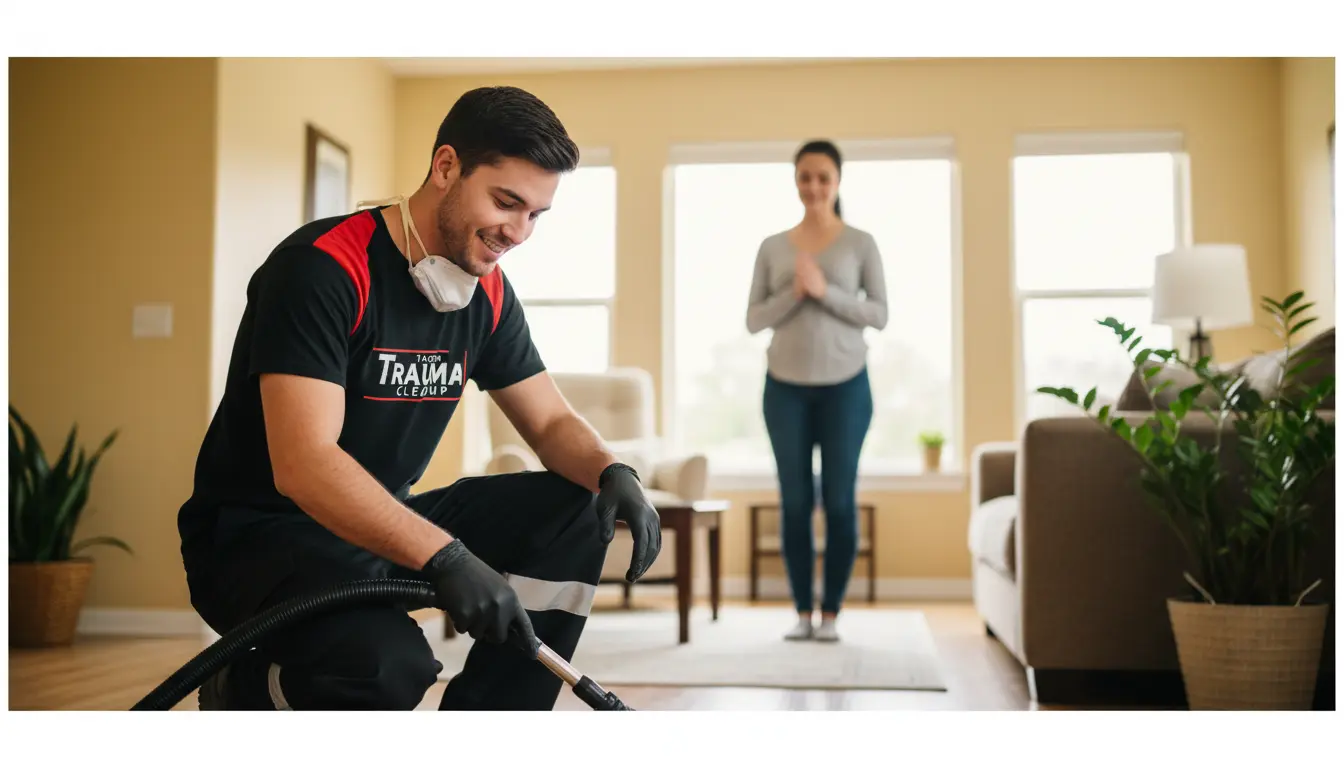
At Tacoma Trauma Cleanup, we’re more than a service provider—we’re your local partner in recovery. Serving all of Pierce County, including Tacoma and nearby towns like Puyallup, we specialize in discreet, efficient cleanup that minimizes further distress.
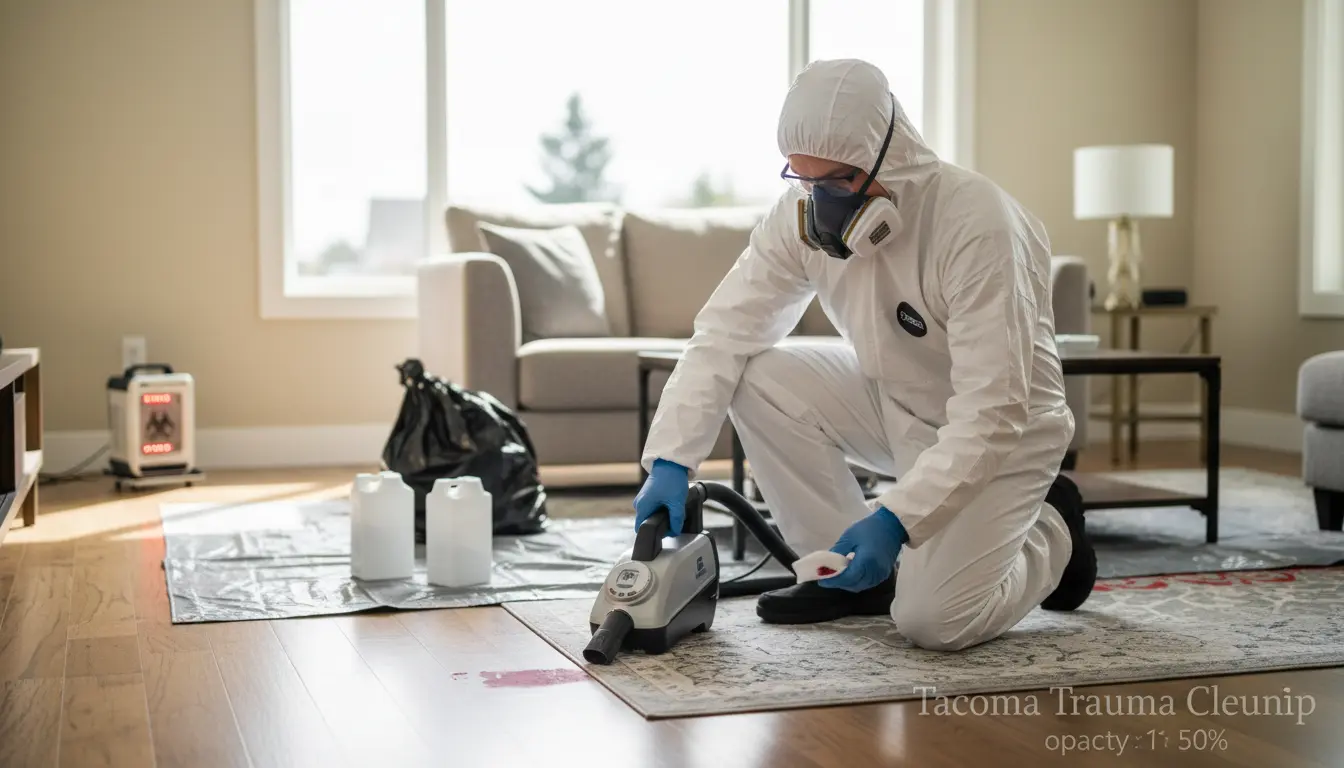
Our team is trained to handle everything from accident site cleanup to full property restoration after trauma. We use EPA-approved methods to eliminate hazards, ensuring your space is safe and habitable again.
Whether it’s a residential incident in Lakewood or a commercial site in Ruston, our compassionate approach sets us apart. We’ve helped hundreds of families reclaim their peace, and we’re committed to expanding our reach across the county.
For medical-related traumas, our medical waste removal services comply with strict OSHA standards, protecting both you and our environment.
FAQ: Common Questions About Trauma Incidents and Cleanup
What Should I Do If I Discover a Trauma Scene in My Tacoma Home?
First, call 911 if it’s an active emergency. Once safe, contact a professional like Tacoma Trauma Cleanup at (253) 275-5387. We’ll guide you through securing the area and initiating cleanup.
How Long Does Trauma Cleanup Typically Take in Pierce County?
It varies by scene severity, but most residential cleanups take 4-8 hours. Complex cases, like those involving property restoration after trauma, may require 1-2 days.
Is Trauma Cleanup Covered by Insurance in Washington State?
Often yes, under homeowner’s or renter’s policies for biohazard events. We assist with claims to make the process seamless.
Can I Clean a Minor Trauma Scene Myself?
No— even small incidents require pros to avoid health risks. For areas like Puyallup, improper handling can lead to fines or further contamination.
How Does Tacoma Trauma Cleanup Ensure Discretion?
We use unmarked vehicles and respectful teams to maintain privacy, especially important in close communities like Lakewood.
Conclusion: Take the First Step Toward Recovery
The statistics on trauma incidents in Pierce County are sobering, but they also underscore the importance of preparedness and swift action. In Tacoma and beyond, incidents like these remind us of our shared vulnerability, yet with reliable support, recovery is possible.
Don’t let a trauma event define your space or story. Tacoma Trauma Cleanup is here to help you move forward with compassion and expertise. Call us today at (253) 275-5387 for a confidential consultation, or visit our services page to learn more about how we serve areas like Fife and Spanaway. Your peace of mind starts with one call—let’s restore it together.