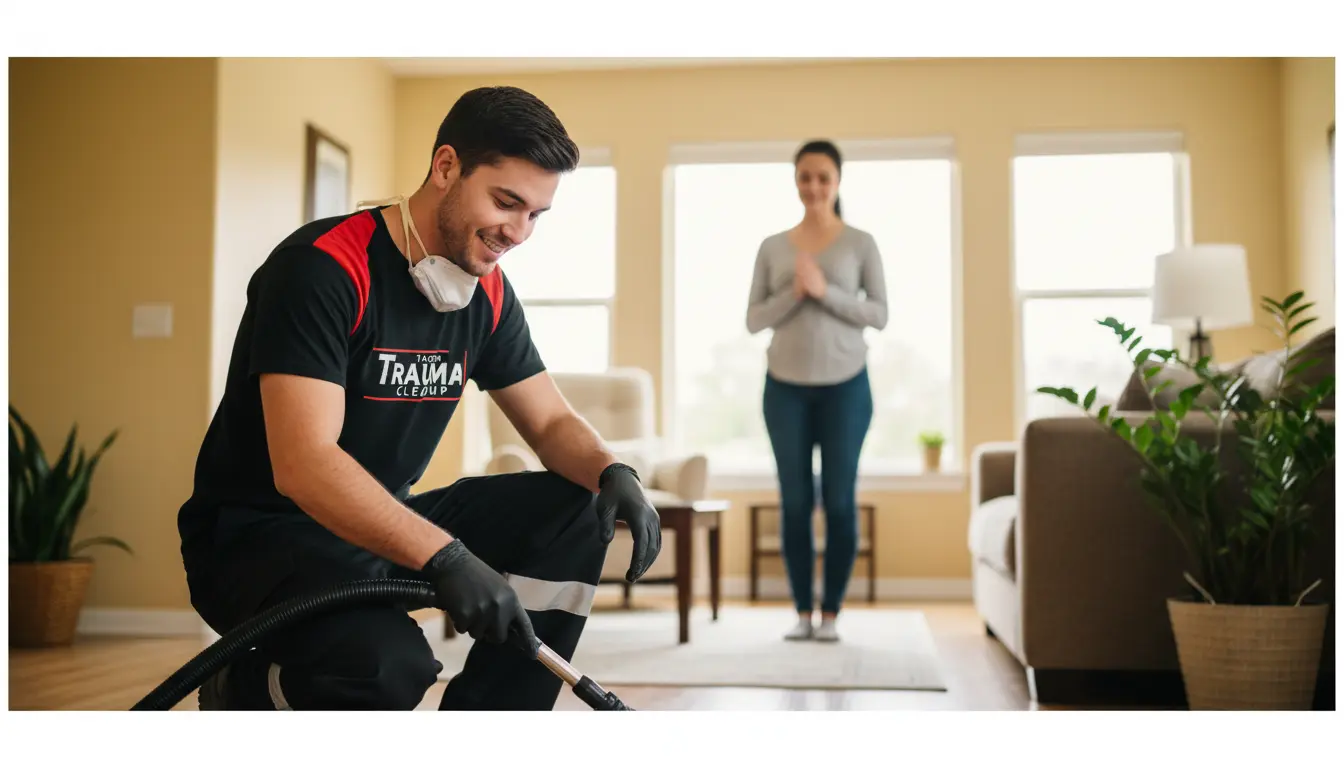
It’s a chilly autumn morning in Tacoma, Washington, and the sun is slowly rising over the quiet neighborhood of Bonney Lake. But amidst the peaceful atmosphere, a sense of urgency and concern fills the air. A traumatic event has occurred at a local residence, leaving behind a biohazardous scene that requires immediate attention and professional cleanup. As a certified biohazard remediation expert, I’ve been called to the scene to assess the situation and ensure that the property is restored to a safe and livable state.
The first step in any trauma cleanup is to conduct a thorough risk assessment, identifying potential hazards and determining the best course of action. This includes evaluating the extent of the damage, checking for any signs of structural compromise, and detecting any potential health risks. In this case, the scene is particularly sensitive, requiring specialized equipment and expertise to handle the situation with care and discretion. As I begin the assessment, I’m reminded of the importance of professional trauma cleanup in Tacoma, and the need for residents to be aware of the risks and consequences of improper cleanup methods.
In Tacoma, the damp climate can accelerate bacterial growth and exacerbate biohazard odors, making it even more crucial to address the situation promptly and effectively. That’s why it’s essential to have a trusted and experienced partner like Tacoma Trauma Cleanup, who can provide discreet and authoritative service to those in need. With their expertise and commitment to safety, residents can rest assured that their property will be restored to a safe and livable state, with compassion and scientific rigor.
Understanding the Technical Process of Trauma Cleanup
The technical process of trauma cleanup involves a step-by-step approach, starting with the initial risk assessment and establishment of control zones and containment. This is followed by the removal of gross biological material, sanitization, and deodorization, using specialized equipment such as ozone generators and hospital-grade electrostatic sprayers. The process also involves the use of proper PPE, to prevent cross-contamination and ensure the safety of both the cleanup team and future occupants.
One of the key aspects of trauma cleanup is the importance of ATP verification, to ensure that the scene has been properly sanitized and disinfected. This involves using ATP fluorescence testing to detect any remaining biological matter, and taking corrective action to address any areas of concern. By following this rigorous process, trauma cleanup experts can ensure that the property is restored to a safe and livable state, with minimal risk of future health hazards.
Data Comparison: Professional Remediation vs. Standard Janitorial/DIY Cleaning
When it comes to trauma cleanup, it’s essential to understand the differences between professional remediation and standard janitorial or DIY cleaning methods. The following table highlights some of the key differences:
| Feature/Metric | Professional Remediation | Standard/DIY Cleaning |
|---|---|---|
| Pathogen Eradication | 99.99% effective | 50-70% effective |
| Structural Penetration Handling | Specialized equipment and techniques | Limited or no capability |
| Legal/Disposal Compliance | Full compliance with regulations | Variable or non-compliant |
Source: OSHA Bloodborne Pathogens Standard
Expert Insights and Common Mistakes to Avoid
As a certified biohazard remediation expert, I’ve seen firsthand the importance of proper trauma cleanup and the potential consequences of improper methods. One common mistake that property owners make is using household bleach on blood, which can create toxic fumes and fail to penetrate porous surfaces. Another mistake is ignoring the risk of fluid migration under baseboards, which can lead to severe health hazards and structural rot.
To avoid these mistakes, it’s essential to work with a professional trauma cleanup service that has the expertise and equipment to handle the situation with care and discretion. This includes using specialized equipment such as ozone generators and hospital-grade electrostatic sprayers, and following established protocols for sanitization and deodorization.
Pricing and Cost Factors
The cost of trauma cleanup can vary depending on several factors, including the extent of the damage, the type of cleanup required, and the level of hazard involved. Some common cost factors include:
- Hourly rates for cleanup and disposal
- Disposal fees for regulated medical waste
- Structural tear-out requirements, such as drywall or carpet pad removal
- Required PPE tiers and equipment costs
By understanding these cost factors and working with a professional trauma cleanup service, property owners can ensure that their property is restored to a safe and livable state, with minimal risk of future health hazards.
Safety and Standards
Safety and standards are essential components of trauma cleanup, and it’s crucial to work with a service that follows established protocols and guidelines. This includes compliance with OSHA 29 CFR 1910.1030, EPA regulations, and ABRA standards, as well as the use of EPA-registered hospital-grade disinfectants.
By following these standards and protocols, trauma cleanup experts can ensure that the property is restored to a safe and livable state, with minimal risk of future health hazards. This includes protecting future occupants from Hepatitis B, C, HIV, and other microscopic hazards, and ensuring that the property is free from any potential health risks.
Frequently Asked Questions
What is the difference between trauma cleanup and standard janitorial cleaning?
Trauma cleanup involves the removal and disposal of biohazardous materials, such as blood and bodily fluids, and requires specialized equipment and expertise. Standard janitorial cleaning, on the other hand, is designed to clean and disinfect surfaces, but may not address the underlying biohazardous risks.
How do I know if I need professional trauma cleanup services?
If you’ve experienced a traumatic event, such as a homicide, suicide, or unattended death, it’s essential to work with a professional trauma cleanup service to ensure that the property is restored to a safe and livable state. You can also visit our website to learn more about our services and to find out how Tacoma residents can safely handle crime scene cleanup.
What are the risks of improper trauma cleanup?
Improper trauma cleanup can lead to severe health hazards, including the transmission of bloodborne pathogens and other infectious diseases. It can also result in structural rot and damage to the property, requiring costly repairs and renovations.
How can I find a reputable trauma cleanup service in Tacoma?
To find a reputable trauma cleanup service in Tacoma, look for a company that is certified by the American Bio Recovery Association (ABRA) and follows established protocols and guidelines. You can also check online reviews and ask for referrals from friends or family members who have used trauma cleanup services in the past. For more information on what to expect from trauma cleanup in Tacoma, you can visit our website and read our article on what to expect from trauma cleanup in Tacoma.
Conclusion
In conclusion, trauma cleanup is a critical process that requires specialized equipment, expertise, and protocols to ensure that a property is restored to a safe and livable state. By working with a professional trauma cleanup service, property owners can minimize the risk of future health hazards and ensure that their property is free from any potential biohazardous risks. If you’re in need of trauma cleanup services in Tacoma, don’t hesitate to contact us. We’re here to help you navigate the process and ensure that your property is restored to a safe and livable state. You can also visit our website to learn more about our services, including crime scene cleaning and emergency response cleanup.
We understand that trauma cleanup can be a difficult and emotional process, and we’re committed to providing compassionate and discreet service to those in need. Our team of certified biohazard remediation experts is available 24/7 to respond to your needs, and we’ll work with you every step of the way to ensure that your property is restored to a safe and livable state. For more information on our services and to schedule a consultation, please visit our website or contact us directly. You can also read our article on 5 essential steps for trauma cleanup in Tacoma homes to learn more about the process and how to prepare for a traumatic event.