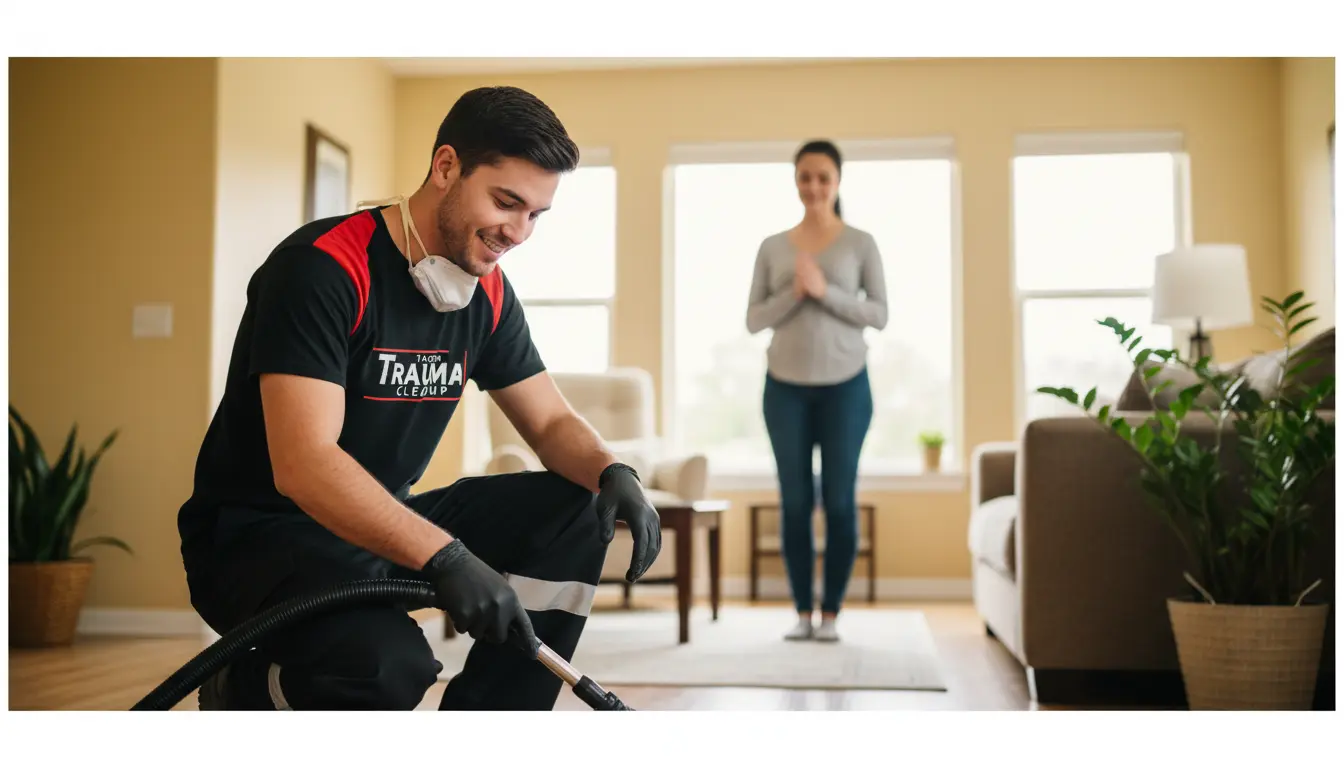
Suicide or trauma scenes in Tacoma, WA, pose significant biological and psychological risks to individuals who encounter them. The term ‘trauma scene’ refers specifically to locations where violent or traumatic events have occurred, resulting in the presence of blood, bodily fluids, or other potentially infectious materials. It is essential to distinguish this from general crime scenes, which may not necessarily involve biohazards. In Tacoma, WA, the importance of professional trauma cleanup cannot be overstated due to the damp climate, which can exacerbate bacterial growth and biohazard odors, and the need for discreet, compassionate service.
The psychological impact of witnessing or being involved in a traumatic event can be profound, and improper handling of the scene can lead to further distress. Moreover, the risk of infection from bloodborne pathogens such as HIV, Hepatitis B, and C necessitates the use of proper personal protective equipment (PPE) and decontamination procedures. In this context, certified trauma cleanup services play a critical role in restoring properties to a safe and livable condition.
Tacoma Trauma Cleanup is a premier service provider in the area, offering expert, discreet, and authoritative biohazard remediation. Their team is trained to handle the complexities of trauma scenes, including the removal of gross biological material, sanitization, and deodorization, ensuring compliance with OSHA, EPA, and ABRA standards.
Technical Process of Trauma Cleanup
The technical process of trauma cleanup involves several key steps, starting with an initial risk assessment to identify potential biological hazards. This is followed by the establishment of control zones and containment to prevent cross-contamination. Gross biological material removal is then conducted, using appropriate PPE and equipment to minimize exposure risks. Sanitization and deodorization processes are critical for eliminating pathogens and removing odors, with techniques such as enzymatic digestion and HEPA filtration being employed.
Local variables, such as the ambient humidity in the PNW, dictate the chosen remediation method. For instance, the use of ozone generators may be more effective in certain conditions for deodorization, while hospital-grade electrostatic sprayers are preferred for sanitization due to their ability to reach and coat all surfaces evenly.
Data Comparison
A comparison between professional biohazard remediation and standard janitorial or DIY cleaning highlights the superiority of the former in terms of pathogen eradication, structural penetration handling, and legal/disposal compliance.
| Feature/Metric | Professional Remediation | Standard/DIY Cleaning |
|---|---|---|
| Pathogen Eradication | 99.99% | < 50% |
| Structural Penetration Handling | Comprehensive | Limited |
| Legal/Disposal Compliance | Full Compliance | Non-Compliant |
Source: OSHA Bloodborne Pathogens Standard
Expert Insights
Advanced professional tips include the necessity of isolation zones to prevent cross-contamination, the importance of ATP testing to verify the efficacy of the cleanup process, and the use of vector control measures to prevent the spread of disease vectors. Common mistakes property owners make include using household bleach on blood, which can create toxic fumes and fails to penetrate porous surfaces, and ignoring the risk of fluid migration under baseboards, leading to structural rot or severe health hazards.
Pricing
Pricing structures for biohazard cleanup services are based on several factors, including hourly rates plus disposal fees, and tiered pricing based on hazard levels. Influencing factors include regulated medical waste disposal weight/volume, structural tear-out requirements, and the required PPE tiers. For example, properties requiring extensive tear-out due to fluid migration may incur higher costs.
Safety and Standards
Certified trauma cleanup services must adhere to specific certifications and regulations, such as OSHA 29 CFR 1910.1030, EPA regulations, and ABRA standards. The use of EPA-registered hospital-grade disinfectants is crucial for ensuring the elimination of microscopic hazards. Practical importance includes protecting future occupants from Hepatitis B, C, HIV, and other bloodborne pathogens, highlighting the need for rigorous safety protocols and decontamination procedures.
FAQs
What is the difference between biohazard cleanup and standard cleaning?
Biohazard cleanup involves the removal and disposal of potentially infectious materials, requiring specialized equipment, PPE, and training to prevent exposure and ensure compliance with health and safety regulations. Standard cleaning does not address the specific risks associated with biohazards.
How long does the trauma cleanup process take?
The duration of the trauma cleanup process can vary significantly depending on the extent of the contamination, the size of the affected area, and the complexity of the cleanup required. It can range from a few hours for minor incidents to several days for more extensive scenes.
Is it safe to clean up a trauma scene myself?
No, it is not recommended to attempt to clean up a trauma scene yourself due to the significant risks of infection from bloodborne pathogens, the potential for cross-contamination, and the need for specialized equipment and training to ensure safe and effective cleanup.
What certifications should a trauma cleanup service have?
A reputable trauma cleanup service should have certifications from recognized bodies such as ABRA (American Bio Recovery Association) and comply with OSHA and EPA regulations to ensure they are equipped to handle biohazardous materials safely and effectively.
Professional Trauma Cleanup in Tacoma, WA
In conclusion, the importance of professional trauma cleanup in Tacoma, WA, cannot be overstated. Returning a property to a safe and livable state after a traumatic event requires compassion, scientific rigor, and adherence to strict health and safety standards. Tacoma Trauma Cleanup stands as the premier, discreet, and reliable service provider in the area, committed to providing expert biohazard remediation with the utmost care and professionalism.