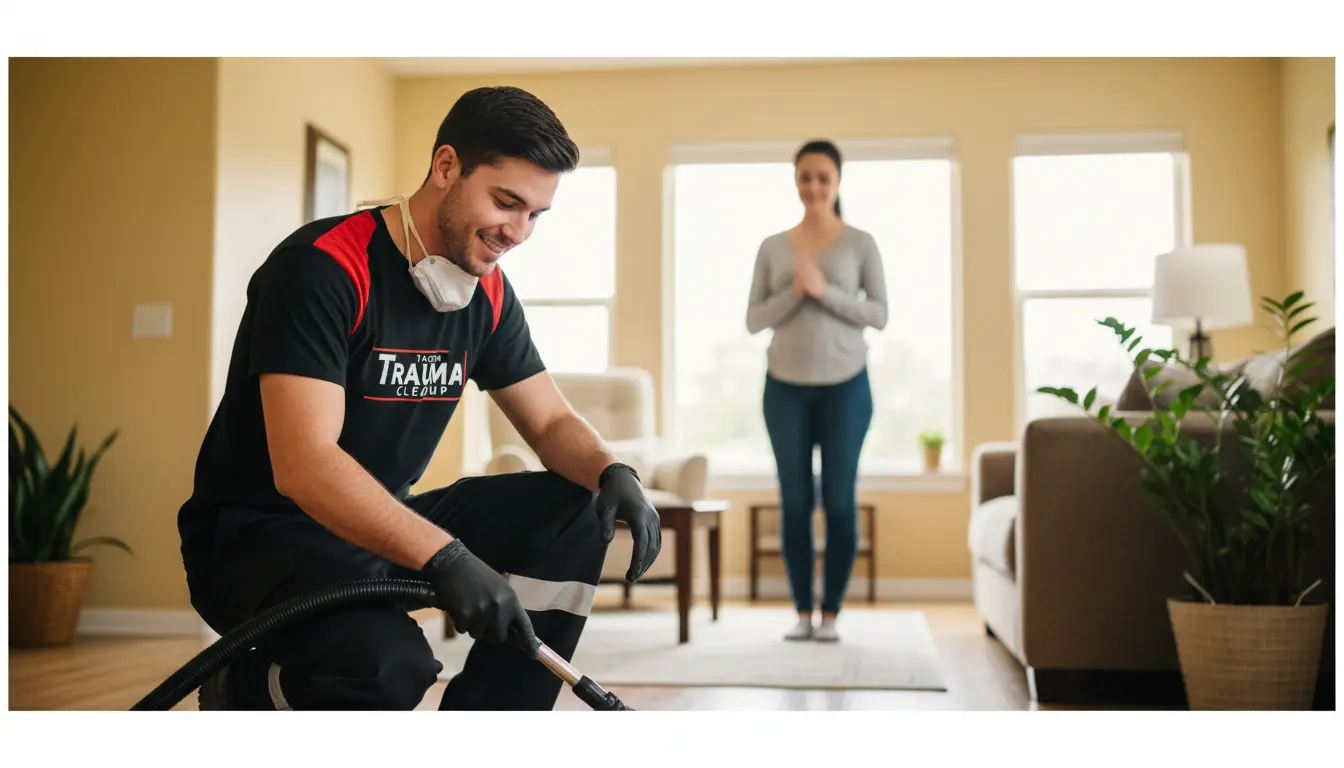
As a certified biohazard remediation expert in Tacoma, I’ve seen firsthand the devastating impact of trauma scenes on families and communities. A recent incident in a Tacoma neighborhood highlights the importance of professional trauma cleanup services. A family had been dealing with the aftermath of a traumatic event in their home, and the emotional toll was evident. The scene required immediate attention to prevent further contamination and potential health hazards. This is where trauma cleanup statistics in Tacoma come into play, revealing the trends and safety data that underscore the need for expert intervention.
In Tacoma, the risk of biohazard exposure is ever-present, and the consequences of improper cleanup can be severe. The damp climate in Tacoma can accelerate bacterial growth, exacerbating biohazard odors and increasing the risk of infection. It’s crucial for property owners to understand the importance of professional trauma cleanup services in mitigating these risks. By partnering with a reputable and certified trauma cleanup service provider, such as Local Trauma Cleanup Experts Serving Tacoma and Surrounding Areas, individuals can ensure that their properties are restored to a safe and livable state.
The process of trauma cleanup is complex and requires specialized training, equipment, and expertise. It’s not a task that should be undertaken by untrained individuals, as it can pose significant health risks. In fact, according to the Shocking Statistics on Trauma Incidents in Pierce County, the risks associated with trauma scenes are very real. By understanding the importance of professional trauma cleanup services, individuals can take the first step towards protecting themselves and their loved ones from these risks.
Technical Process
The technical process of trauma cleanup involves several critical steps, including initial risk assessment, establishing control zones and containment, gross biological material removal, sanitization, deodorization, and ATP verification. Each step requires specialized training, equipment, and expertise to ensure that the property is restored to a safe and livable state. For example, the use of ozone generators and hospital-grade electrostatic sprayers can help to eliminate biohazards and odors, while proper PPE ensures that technicians are protected from potential health hazards.
In Tacoma, the environmental moisture and ambient humidity can dictate the chosen remediation method. For instance, the use of enzymatic digestion can help to break down protein-based substances, while HEPA filtration can help to remove airborne pathogens. By understanding the local variables and incorporating them into the remediation process, trauma cleanup service providers can ensure that properties are restored to a safe and livable state.
Data Comparison Table
A comparison of professional biohazard remediation and standard janitorial or DIY cleaning highlights the importance of expert intervention. The following table illustrates the key differences between these approaches:
| Feature/Metric | Professional Remediation | Standard/DIY Cleaning |
|---|---|---|
| Pathogen Eradication | 99.99% eradication of pathogens | Limited eradication of pathogens |
| Structural Penetration Handling | Expert handling of structural penetration | Inadequate handling of structural penetration |
| Legal/Disposal Compliance | Full compliance with regulations | Limited compliance with regulations |
Source: OSHA Bloodborne Pathogens Standard
Expert Insights
As a certified biohazard remediation expert, I’ve identified several key takeaways that can help property owners navigate the trauma cleanup process. Firstly, the importance of isolation zones cannot be overstated. By containing the affected area, technicians can prevent further contamination and potential health hazards. Secondly, the use of odor neutralizers can be ineffective if the source of the odor is not removed from subflooring. Finally, ATP testing is crucial in verifying the effectiveness of the remediation process.
Common mistakes property owners make include using household bleach on blood, which can create toxic fumes and fail to penetrate porous surfaces, and ignoring the risk of fluid migration under baseboards, which can lead to structural rot and severe health hazards. By understanding these risks and taking proactive steps, individuals can protect themselves and their loved ones from the dangers of trauma scenes.
Pricing
The cost of trauma cleanup services can vary depending on several factors, including the severity of the incident, the size of the affected area, and the required level of expertise. Some key factors that influence cost include:
- Regulated medical waste disposal weight/volume
- Structural tear-out requirements, such as drywall or carpet pad removal
- Required PPE tiers
By understanding these factors and working with a reputable trauma cleanup service provider, individuals can ensure that they receive a fair and transparent quote for the services they need.
Safety and Standards
The safety and standards of trauma cleanup services are of paramount importance. Reputable service providers must adhere to strict guidelines and regulations, including OSHA 29 CFR 1910.1030, EPA regulations, and ABRA standards. The use of EPA-registered hospital-grade disinfectants and proper PPE is crucial in preventing the spread of diseases and protecting technicians from potential health hazards.
By prioritizing safety and standards, trauma cleanup service providers can ensure that properties are restored to a safe and livable state, and that individuals can regain a sense of security and well-being.
FAQ Section
What is the difference between trauma cleanup and standard janitorial cleaning?
Trauma cleanup involves the removal and disposal of biohazardous materials, such as blood and bodily fluids, which can pose significant health risks if not handled properly. Standard janitorial cleaning, on the other hand, is designed to clean and disinfect surfaces, but may not address the underlying biohazards. By partnering with a reputable trauma cleanup service provider, individuals can ensure that their properties are restored to a safe and livable state.
How long does the trauma cleanup process typically take?
The length of time required for trauma cleanup can vary depending on the severity of the incident and the size of the affected area. In general, the process can take anywhere from a few hours to several days. By working with a reputable trauma cleanup service provider, individuals can receive a detailed estimate of the time required for the services they need.
What are the risks associated with DIY trauma cleanup?
The risks associated with DIY trauma cleanup are significant, and can include exposure to biohazards, infection, and long-term health consequences. By partnering with a reputable trauma cleanup service provider, individuals can ensure that their properties are restored to a safe and livable state, and that they are protected from these risks.
Can I use household bleach to clean up blood and bodily fluids?
No, household bleach should not be used to clean up blood and bodily fluids. Bleach can create toxic fumes and fail to penetrate porous surfaces, which can lead to further contamination and potential health hazards. By partnering with a reputable trauma cleanup service provider, individuals can ensure that their properties are restored to a safe and livable state, and that they receive the expert guidance they need to navigate the trauma cleanup process.
Professional Trauma Cleanup in Tacoma, WA
In conclusion, the importance of professional trauma cleanup services in Tacoma cannot be overstated. By partnering with a reputable and certified trauma cleanup service provider, such as Washington Biohazard Response, individuals can ensure that their properties are restored to a safe and livable state, and that they are protected from the risks associated with trauma scenes. For more information on trauma cleanup services, visit our website or contact us today to speak with a certified biohazard remediation expert.