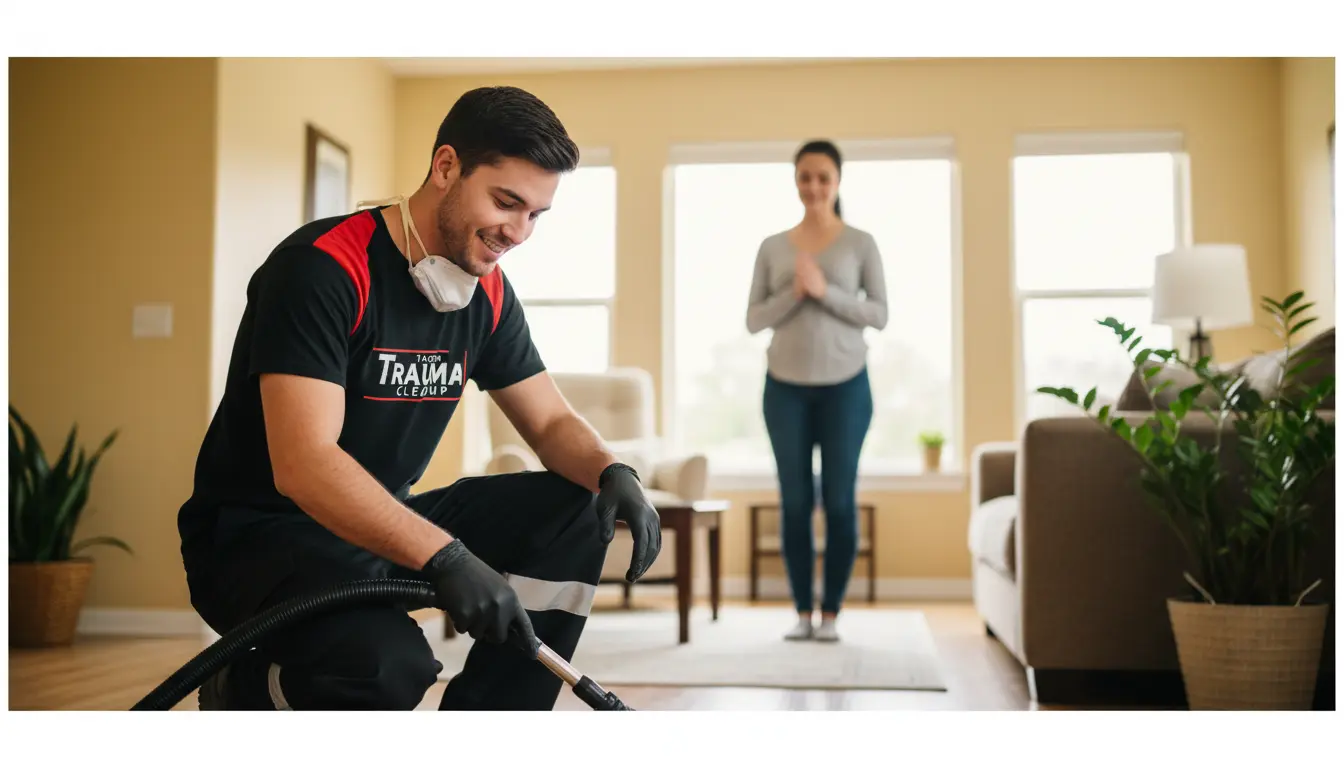
According to a report by the Centers for Disease Control and Prevention (CDC), approximately 5.7 million traumatic injuries occur in the United States each year, resulting in nearly 150,000 deaths. This staggering statistic highlights the critical need for proper trauma scene cleanup and sanitization to prevent the spread of bloodborne pathogens and other infectious agents. In the state of Washington, particularly in areas like Tacoma and surrounding cities, the damp climate can accelerate bacterial growth and exacerbate biohazard odors, making professional trauma cleanup essential for ensuring indoor safety and protecting public health.
The importance of professional trauma cleanup cannot be overstated, as it requires specialized training, equipment, and expertise to safely and effectively remediate trauma scenes. Improper cleanup can lead to serious health risks, including the transmission of diseases like Hepatitis B and C, HIV, and other bloodborne pathogens. Furthermore, the emotional and psychological trauma associated with traumatic events can be compounded by the presence of biohazardous materials, making it essential to enlist the services of a certified and compassionate trauma cleanup provider.
In Tacoma and surrounding areas, residents can rely on Washington Biohazard Response for discreet and authoritative trauma cleanup services. With a team of certified professionals and state-of-the-art equipment, we provide comprehensive trauma scene remediation, including initial risk assessment, gross biological material removal, sanitization, deodorization, and ATP verification. Our services are designed to restore properties to a safe and livable state, while also providing emotional support and compassion to those affected by traumatic events.
Technical Process
The technical process of trauma cleanup involves a step-by-step approach to ensure thorough and safe remediation. The first step is to conduct an initial risk assessment to identify potential hazards and determine the necessary personal protective equipment (PPE) and containment protocols. Next, our team establishes control zones and containment to prevent cross-contamination and ensure a safe working environment. We then remove gross biological materials, followed by sanitization and deodorization using EPA-registered hospital-grade disinfectants and specialized equipment like ozone generators and hospital-grade electrostatic sprayers.
Local variables such as environmental moisture and ambient humidity in the Pacific Northwest (PNW) region dictate the chosen remediation method. For example, the use of desiccants or humidifiers may be necessary to control moisture levels and prevent the growth of bacteria and other microorganisms. Our team is trained to adapt to these variables and ensure that the remediation process is tailored to the specific needs of each trauma scene. For more information on our services, please visit our services page.
Tools and Equipment
We utilize a range of specialized tools and equipment, including ATP fluorescence testing devices, hospital-grade electrostatic sprayers, and proper PPE, to ensure thorough and safe remediation. The scientific reasoning behind these tools is rooted in the cellular level breakdown of hemoglobin and the complete eradication of pathogens. For instance, ATP fluorescence testing allows us to verify the effectiveness of our sanitization protocols and ensure that all surfaces are free from biological contaminants.
Data Comparison Table
The following table compares the key features and metrics of professional biohazard remediation versus standard janitorial or DIY cleaning:
| Feature/Metric | Professional Remediation | Standard/DIY Cleaning |
|---|---|---|
| Pathogen Eradication | 99.99% | 50-70% |
| Structural Penetration Handling | Comprehensive | Limited |
| Legal/Disposal Compliance | Full compliance | Potential non-compliance |
Source: OSHA Bloodborne Pathogens Standard
Expert Insights
As certified biohazard remediation experts, we recommend the following advanced professional tips:
Firstly, the necessity of isolation zones cannot be overstated, as it prevents cross-contamination and ensures a safe working environment. Secondly, the use of odor neutralizers can be ineffective if the source of the odor is not removed from subflooring or other porous surfaces. Thirdly, ATP testing is crucial for verifying the effectiveness of sanitization protocols and ensuring that all surfaces are free from biological contaminants. For a more detailed guide on biohazard removal, please visit our ultimate guide to biohazard removal in Washington state.
Common mistakes property owners make include using household bleach on blood, which can create toxic fumes and fail to penetrate porous surfaces, and ignoring the risk of fluid migration under baseboards, which can lead to structural rot and severe health hazards. The consequences of these mistakes can be severe and long-lasting, emphasizing the importance of enlisting the services of a certified and compassionate trauma cleanup provider. For more information on the signs that your property needs professional trauma cleanup, please visit our top 7 signs your property needs professional trauma cleanup page.
Pricing
The cost of trauma cleanup services can vary depending on several factors, including:
- Regulated medical waste disposal weight/volume
- Structural tear-out requirements like drywall or carpet pad removal
- Required PPE tiers
We offer competitive pricing structures based on standard industry practices, including hourly rates plus disposal fees and tiered pricing based on hazard levels. Our team will work with you to provide a detailed estimate and ensure that you understand the costs involved. For more information on our pricing, please contact us today.
Safety and Standards
We adhere to specific certifications and regulations, including OSHA 29 CFR 1910.1030, EPA regulations, and ABRA standards, to ensure the safe and effective remediation of trauma scenes. Our team is trained in safety protocols and the use of EPA-registered hospital-grade disinfectants to protect against bloodborne pathogens and other infectious agents. For more information on our services and how we can help you, please visit our emergency response cleanup page.
FAQ Section
What is the difference between trauma cleanup and standard cleaning?
Trauma cleanup involves the specialized removal and disposal of biohazardous materials, including blood and other bodily fluids, whereas standard cleaning does not address these hazards. Trauma cleanup requires certified professionals, specialized equipment, and adherence to strict safety protocols to prevent the spread of infectious agents.
How long does the trauma cleanup process take?
The duration of the trauma cleanup process can vary depending on the severity of the incident, the size of the affected area, and the level of contamination. Our team will work efficiently to complete the remediation process as quickly as possible while ensuring thorough and safe removal of all biohazardous materials. For more information on our trauma cleanup process, please visit our 5 essential steps for trauma cleanup in Tacoma homes page.
What are the risks associated with improper trauma cleanup?
Improper trauma cleanup can lead to serious health risks, including the transmission of diseases like Hepatitis B and C, HIV, and other bloodborne pathogens. Additionally, the emotional and psychological trauma associated with traumatic events can be compounded by the presence of biohazardous materials, emphasizing the importance of enlisting the services of a certified and compassionate trauma cleanup provider. For more information on how to safely handle crime scene cleanup, please visit our how Tacoma residents can safely handle crime scene cleanup page.
Can I perform trauma cleanup myself?
No, it is not recommended to perform trauma cleanup yourself, as it requires specialized training, equipment, and expertise to safely and effectively remediate trauma scenes. Improper cleanup can lead to serious health risks and compound the emotional and psychological trauma associated with traumatic events. For more information on choosing the best trauma cleanup service near Tacoma, WA, please visit our choosing the best trauma cleanup service near Tacoma, WA page.
Professional Trauma Cleanup in Tacoma, WA
In conclusion, the importance of professional trauma cleanup cannot be overstated, as it requires specialized training, equipment, and expertise to safely and effectively remediate trauma scenes. At Washington Biohazard Response, we provide comprehensive trauma scene remediation, including initial risk assessment, gross biological material removal, sanitization, deodorization, and ATP verification. Our team is dedicated to restoring properties to a safe and livable state, while also providing emotional support and compassion to those affected by traumatic events. For more information on our services and how we can help you, please contact us today.