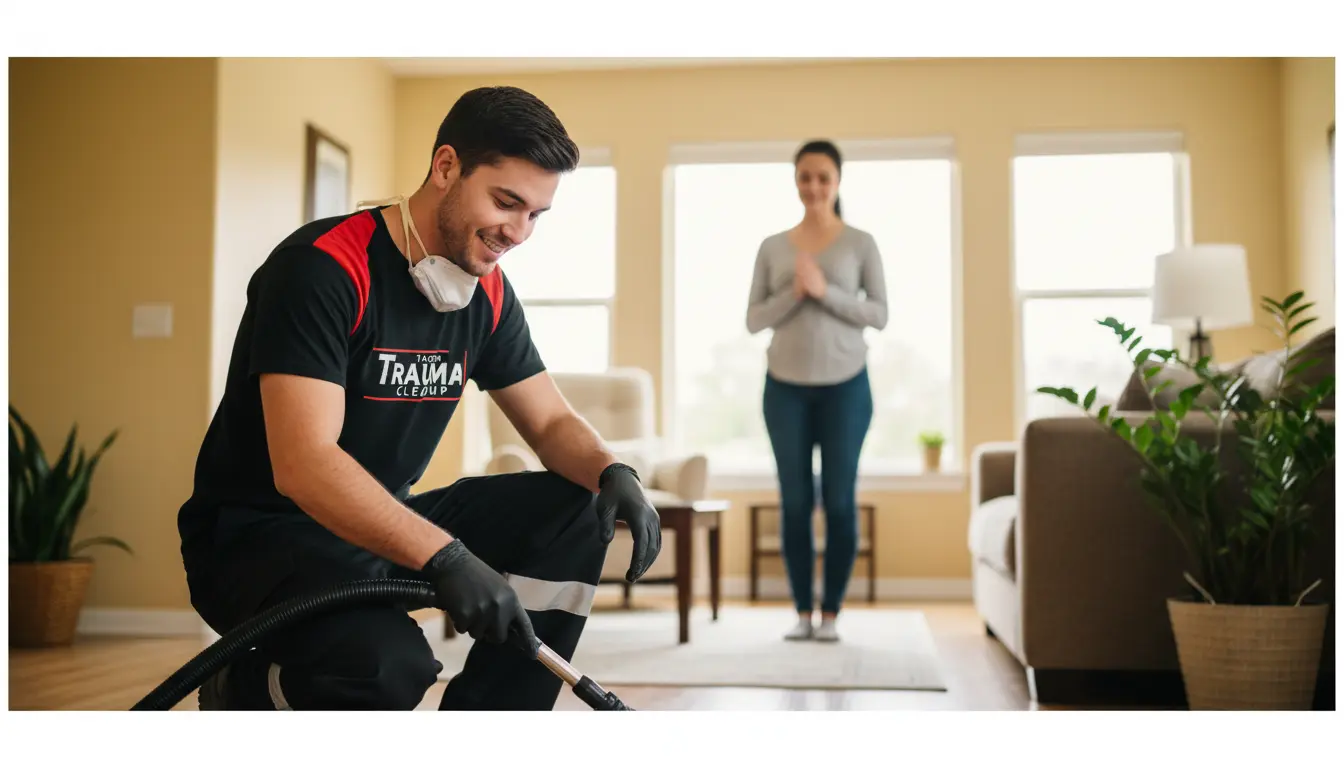
It’s a chilly winter evening in Tacoma, Washington, and a distressed homeowner, Mrs. Johnson, has just witnessed a traumatic incident at her residence. As she tries to process the events that have unfolded, she realizes that the aftermath of the trauma will require professional attention to ensure the safety and well-being of her family. This is where trauma cleanup crews come into play, and it’s crucial to understand how these professionals are trained to handle sensitive situations like the one Mrs. Johnson is facing.
In situations like these, it’s essential to have a team of experts who are not only proficient in biohazard remediation but also empathetic and discreet. Local trauma cleanup experts serving Tacoma and surrounding areas are trained to handle the intricacies of trauma scene cleanup, taking into account the unique challenges posed by the damp Pacific Northwest climate.
The importance of professional trauma cleanup cannot be overstated. In Tacoma, Washington, and surrounding areas, the risk of biohazard exposure is a serious concern, and improper cleanup can lead to severe health hazards and long-term psychological trauma. This is why it’s crucial to choose a reputable and certified trauma cleanup service, like Washington Biohazard Response, which adheres to the highest standards of safety, discretion, and professionalism.
Technical Process of Trauma Cleanup
The technical process of trauma cleanup involves a meticulous, step-by-step approach to ensure that all biological hazards are eradicated, and the property is restored to a safe and habitable condition. This process begins with an initial risk assessment, where trained professionals evaluate the scene to identify potential biohazards and determine the necessary Personal Protective Equipment (PPE) and containment measures.
Once the scene has been assessed, the cleanup crew establishes control zones and containment areas to prevent cross-contamination and ensure that all affected areas are properly remediated. This is followed by the gross removal of biological materials, sanitization, and deodorization using hospital-grade disinfectants and specialized equipment, such as ozone generators and electrostatic sprayers.
The use of ATP (adenosine triphosphate) fluorescence testing is also crucial in verifying the effectiveness of the cleanup process. This testing helps to detect the presence of biological residue, ensuring that all areas have been properly sanitized and decontaminated.
Data Comparison
When it comes to trauma cleanup, it’s essential to understand the differences between professional remediation and standard janitorial or DIY cleaning methods. The following table highlights the key differences:
| Feature/Metric | Professional Remediation | Standard/DIY Cleaning |
|---|---|---|
| Pathogen Eradication | 99.99% or higher | Varying levels of effectiveness |
| Structural Penetration Handling | Specialized equipment and techniques for deep-seated contamination | Limited or no capability for addressing embedded contaminants |
| Legal/Disposal Compliance | Full compliance with OSHA, EPA, and local regulations | Potential for non-compliance and legal liabilities |
Source: OSHA Bloodborne Pathogens Standard
Expert Insights
As a certified biohazard remediation expert, it’s essential to emphasize the importance of isolation zones, proper PPE, and ATP testing in trauma cleanup scenarios. Moreover, property owners must be aware of common mistakes, such as using household bleach on blood, which can create toxic fumes and fail to penetrate porous surfaces, leading to severe health hazards and structural damage.
For instance, in Tacoma, Washington, the damp climate can accelerate bacterial growth and exacerbate biohazard odors, making it crucial to address these issues promptly and effectively. By choosing a reputable and certified trauma cleanup service, like Washington Biohazard Response, property owners can ensure that their property is restored to a safe and habitable condition, while also minimizing the risk of long-term psychological trauma.
Pricing and Cost Factors
The cost of trauma cleanup services can vary depending on several factors, including the extent of the biohazard, the size of the affected area, and the necessary equipment and PPE. Some key factors that influence cost include:
- Regulated medical waste disposal weight/volume
- Structural tear-out requirements, such as drywall or carpet pad removal
- Required PPE tiers and specialized equipment
By understanding these cost factors, property owners can better prepare for the financial implications of trauma cleanup and make informed decisions when choosing a service provider.
Safety and Standards
In the trauma cleanup industry, safety and standards are paramount. Reputable service providers, like Washington Biohazard Response, adhere to strict protocols and guidelines, including OSHA 29 CFR 1910.1030, EPA regulations, and ABRA standards. These standards ensure that all biohazards are properly remediated, and the property is restored to a safe and habitable condition.
The use of EPA-registered hospital-grade disinfectants, proper PPE, and specialized equipment is also crucial in preventing cross-contamination and ensuring the effectiveness of the cleanup process.
FAQs
What is the difference between trauma cleanup and standard janitorial cleaning?
Trauma cleanup involves the removal and remediation of biological hazards, such as blood and bodily fluids, which can pose severe health risks if not handled properly. Standard janitorial cleaning, on the other hand, is designed for general cleaning and sanitizing, and may not address the unique challenges posed by biohazards.
How long does the trauma cleanup process typically take?
The duration of the trauma cleanup process can vary depending on the extent of the biohazard, the size of the affected area, and the necessary equipment and PPE. In general, the process can take anywhere from a few hours to several days, depending on the complexity of the scenario.
What are the risks of improper trauma cleanup?
Improper trauma cleanup can lead to severe health hazards, including the transmission of bloodborne pathogens, such as Hepatitis B, C, and HIV. Additionally, improper cleanup can result in long-term psychological trauma and emotional distress for those affected by the incident.
How can I choose a reputable trauma cleanup service?
When choosing a trauma cleanup service, it’s essential to look for certifications, such as those offered by the American Bio Recovery Association (ABRA), and to ensure that the service provider adheres to strict safety protocols and guidelines. Additionally, property owners should research the service provider’s reputation, read reviews, and ask for references to ensure that they are hiring a reputable and trustworthy company.
Conclusion
In conclusion, the process of trauma cleanup requires specialized training, equipment, and expertise to ensure that all biological hazards are properly remediated, and the property is restored to a safe and habitable condition. By choosing a reputable and certified trauma cleanup service, like Washington Biohazard Response, property owners can minimize the risk of long-term psychological trauma and ensure that their property is restored to a safe and livable state.
If you or someone you know is in need of trauma cleanup services, don’t hesitate to reach out to Washington Biohazard Response for compassionate, discreet, and professional assistance. Our team of experts is available 24/7 to provide emergency response cleanup and support during difficult times.
Final Thoughts
In the aftermath of a traumatic incident, it’s essential to prioritize the safety and well-being of all individuals involved. By understanding the importance of professional trauma cleanup and choosing a reputable service provider, property owners can take the first step towards healing and recovery. Remember, trauma cleanup is not just about removing biological hazards; it’s about restoring a sense of safety, security, and normalcy to those affected by the incident.