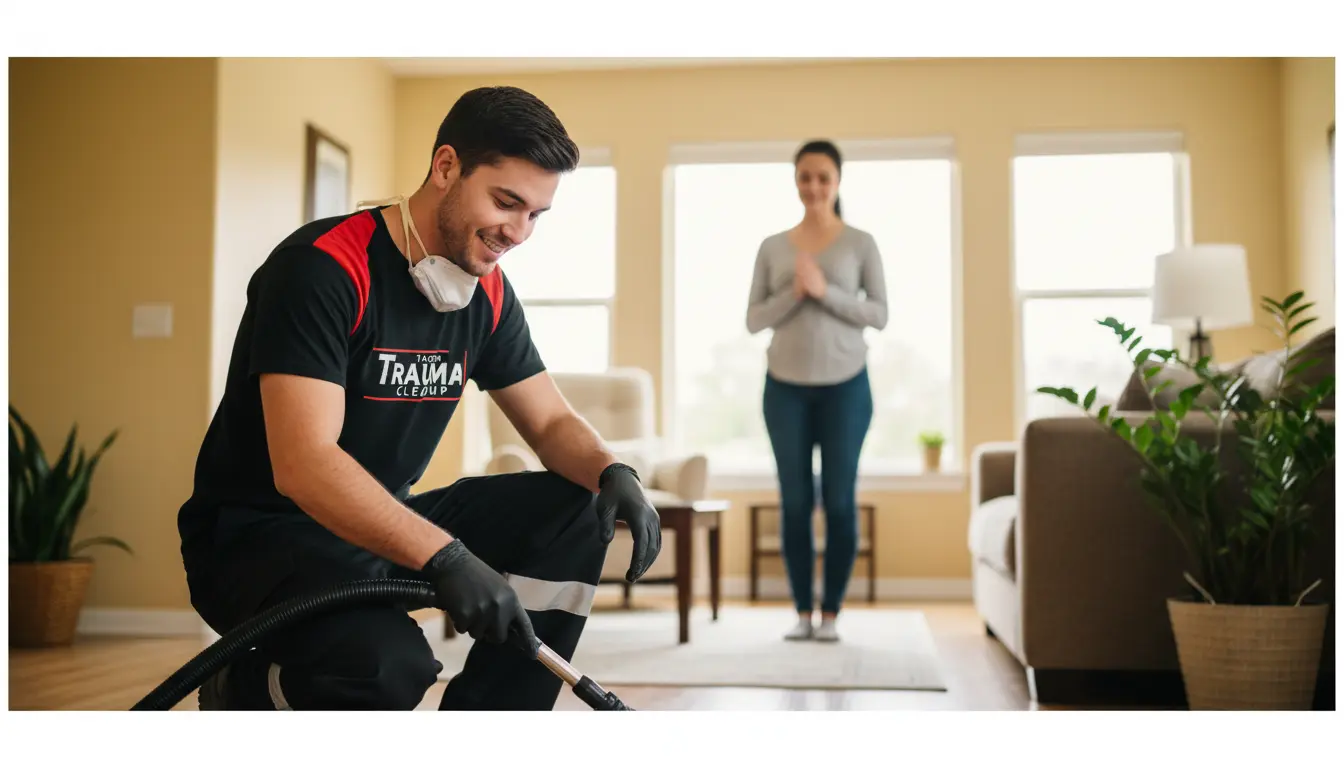
In the early hours of a rainy morning in Tacoma, a distressing scene unfolded at a residential property. The discovery of an unattended death, with its attendant biohazard risks, necessitated immediate and specialized attention. As a certified biohazard remediation expert, the first step was to ensure the safety of all individuals involved, followed by the meticulous process of assessing the scene to determine the extent of the contamination. This scenario, unfortunately, is not uncommon in our region, and it underscores the critical importance of professional trauma cleanup services. The presence of bloodborne pathogens, the risk of cross-contamination, and the potential for severe psychological trauma to those exposed all mandate a response that is both compassionate and scientifically rigorous. In Tacoma, and surrounding areas like Bonney Lake, Dupont, Steilacoom, Ruston, and Spanaway, the need for discreet, reliable, and authoritative biohazard cleanup services is paramount.
The process of unattended death cleanup is complex and requires a deep understanding of biohazard removal principles, including the use of ATP fluorescence testing to ensure the eradication of pathogens. It also demands adherence to strict safety protocols, the use of EPA-registered hospital-grade disinfectants, and compliance with regulations such as OSHA 29 CFR 1910.1030. The goal is not only to restore the property to a safe and livable condition but also to provide a level of service that is respectful of the situation and supportive of those affected. For residents in Tacoma and the surrounding areas, understanding the process and the costs associated with professional trauma cleanup is essential for making informed decisions in the face of such a crisis.
Given the sensitive nature of unattended death cleanup, it’s crucial to choose a service provider that is not only technically competent but also empathetic and discreet. Choosing the best trauma cleanup service near Tacoma, WA, involves considering factors such as certification, experience, and the ability to handle the unique challenges presented by each situation, including the potential for vector control issues in homes with porous subflooring. The damp climate of the Pacific Northwest can exacerbate biohazard odors and accelerate bacterial growth, making prompt and professional intervention all the more critical.
Understanding the Technical Process of Trauma Cleanup
The technical process of trauma cleanup involves several critical steps, each designed to ensure the thorough removal of biohazards and the restoration of a safe environment. Initially, a risk assessment is conducted to identify all areas of contamination and potential hazards. This is followed by the establishment of control zones to prevent cross-contamination and ensure the safety of the cleanup team. The removal of gross biological materials, sanitization, and deodorization are then undertaken, utilizing tools such as ozone generators and hospital-grade electrostatic sprayers. The process concludes with ATP verification to confirm the eradication of pathogens. This meticulous approach is essential for protecting against bloodborne pathogens and other health hazards, and it highlights the importance of professional services like unattended death cleanup in ensuring public health and safety.
The local climate and residential structures in Tacoma and surrounding areas can significantly impact the trauma cleanup process. For instance, older homes with porous subflooring may require additional measures to prevent fluid migration and structural damage. Moreover, the damp climate can necessitate the use of specialized equipment to manage humidity and prevent the proliferation of bacteria and other microorganisms. Understanding these local variables is crucial for effectively addressing the unique challenges of each trauma scene and for providing a service that meets the specific needs of the community.
Data Comparison for Professional Remediation vs. Standard Cleaning
When considering the approach to trauma cleanup, it’s essential to understand the differences between professional remediation and standard janitorial or DIY cleaning methods. The following comparison highlights key aspects of each approach:
| Feature/Metric | Professional Remediation | Standard/DIY Cleaning |
|---|---|---|
| Pathogen Eradication | 99.99% effective with ATP verification | Variable efficacy, often incomplete |
| Structural Penetration Handling | Includes assessment and remediation of porous materials | Typically does not address deep-seated contamination |
| Legal/Disposal Compliance | Adheres to OSHA, EPA, and local regulations | May not meet regulatory standards for biohazard disposal |
Source: OSHA Bloodborne Pathogens Standard
Expert Insights for Effective Trauma Cleanup
For those navigating the aftermath of a traumatic event, several key considerations can help ensure that the cleanup process is handled effectively and safely. First, the importance of isolation zones cannot be overstated, as they prevent cross-contamination and protect individuals from exposure to biohazards. Second, understanding that odor neutralizers are only effective if the source of the odor is completely removed is crucial; otherwise, the problem will persist. Finally, ATP testing is a critical tool for verifying the completeness of the remediation process, ensuring that all pathogens have been eradicated.
Common mistakes made by property owners include the use of household bleach on blood, which can create toxic fumes and fails to penetrate porous surfaces effectively, and ignoring the risk of fluid migration under baseboards, which can lead to severe health hazards and structural rot. These mistakes underscore the need for professional intervention, where experts can apply their knowledge and specialized equipment to ensure a safe and thorough cleanup. For more information on the steps involved in trauma cleanup and how to safely handle crime scenes, consider consulting resources such as how Tacoma residents can safely handle crime scene cleanup.
Pricing for Trauma Cleanup Services
The cost of trauma cleanup services can vary widely depending on several factors, including the extent of the contamination, the size of the area affected, and the specific services required. Typically, pricing structures may include hourly rates for the cleanup team, fees for the disposal of regulated medical waste, and charges for any necessary equipment or supplies. The following factors can influence the cost:
- Regulated medical waste disposal weight/volume, with higher volumes or weights increasing the cost.
- Structural tear-out requirements, such as the need to remove drywall or carpeting, which can significantly increase the cost due to the additional labor and materials required.
- Required PPE tiers, with higher-tier PPE (such as full-body suits and respirators) being more expensive due to their protective capabilities and the training required for their use.
Safety and Standards in Trauma Cleanup
The safety and standards adhered to in trauma cleanup are paramount, given the risks associated with biohazard exposure. Service providers must comply with regulations such as OSHA 29 CFR 1910.1030, which outlines the standards for occupational exposure to bloodborne pathogens. The use of EPA-registered hospital-grade disinfectants is also critical, as these products have been proven effective against a broad spectrum of pathogens. By prioritizing safety and adhering to strict standards, trauma cleanup services can ensure that properties are restored to a condition that is not only safe but also respectful of the individuals involved.
Frequently Asked Questions
What is the typical process for unattended death cleanup, and how long does it take?
The typical process for unattended death cleanup involves an initial assessment, followed by the removal of gross biological materials, sanitization, deodorization, and finally, ATP verification to ensure the eradication of pathogens. The duration of the process can vary significantly depending on the extent of the contamination, the size of the area, and the specific conditions of the scene. In some cases, the process may be completed within a few hours, while more complex scenes may require several days to fully remediate.
How do I choose the right trauma cleanup service for my needs?
Choosing the right trauma cleanup service involves considering several key factors, including the service provider’s certification, experience, and ability to handle the unique challenges of your situation. It’s also important to consider their approach to safety, their adherence to regulatory standards, and their commitment to discretion and compassion. For those in Tacoma and surrounding areas, services like local trauma cleanup experts serving Tacoma and surrounding areas can provide the necessary expertise and support.
What are the health risks associated with improper trauma cleanup, and how can they be mitigated?
The health risks associated with improper trauma cleanup are significant and can include the transmission of bloodborne pathogens, the development of severe infections, and even long-term psychological trauma. These risks can be mitigated by ensuring that the cleanup is conducted by trained professionals who follow strict safety protocols and adhere to regulatory standards. It’s also important for individuals to avoid exposing themselves to biohazardous materials and to seek professional help immediately if they encounter a traumatic scene. For more information on the risks and how to handle them, consider consulting resources such as top 7 signs your property needs professional trauma cleanup.
Can I perform trauma cleanup myself, or is it recommended to hire a professional service?
While it might be tempting to attempt trauma cleanup oneself, it is strongly recommended to hire a professional service. The risks associated with biohazard exposure are significant, and the potential for cross-contamination, incomplete remediation, and legal non-compliance are all factors that make professional intervention the safest and most effective choice. Professional services have the training, equipment, and expertise to ensure that the cleanup is conducted safely, thoroughly, and in compliance with all relevant regulations.
Conclusion: The Importance of Professional Trauma Cleanup in Tacoma, WA
In conclusion, the importance of professional trauma cleanup in Tacoma, WA, and surrounding areas cannot be overstated. The risks associated with biohazard exposure, the complexity of the cleanup process, and the need for adherence to strict safety protocols and regulatory standards all mandate a response that is both compassionate and scientifically rigorous. By choosing a certified, experienced, and discreet service provider, individuals can ensure that their property is restored to a safe and livable condition, and that they receive the support and respect they need during a difficult time. For those in need of such services, emergency response cleanup and hoarding cleanup assistance are available, underscoring the comprehensive nature of professional trauma cleanup services in the region.
Ultimately, the goal of professional trauma cleanup is not only to restore properties but to also provide a level of care and support that acknowledges the human impact of traumatic events. By prioritizing safety, adherence to standards, and compassion, service providers like Washington Biohazard Response are committed to making a difference in the lives of those affected by trauma, one cleanup at a time. Whether you’re dealing with the aftermath of an unattended death, a crime scene, or any other form of trauma, reaching out to a professional service can be the first step towards healing and recovery.