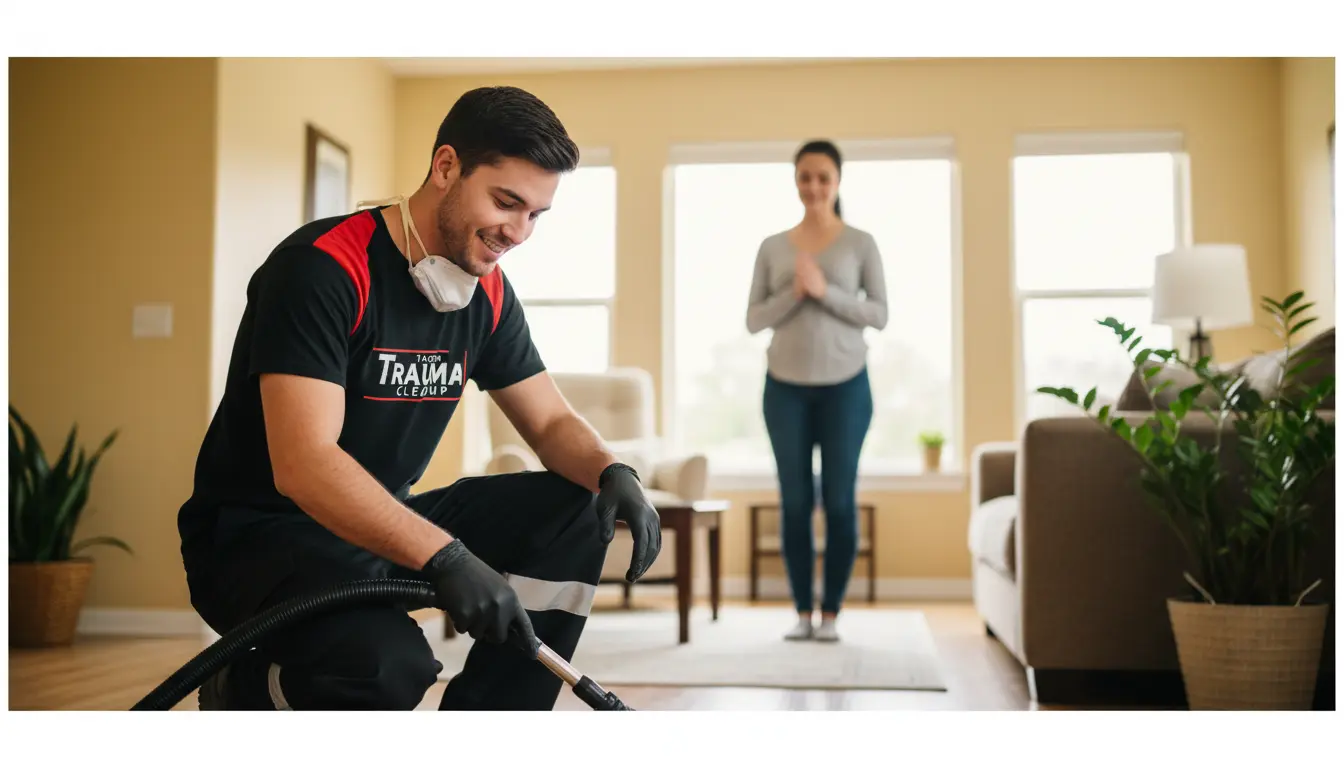
As a certified biohazard remediation expert, I recall a particularly distressing scene where a family in Tacoma, WA, had to deal with the aftermath of a traumatic event. The emotional toll was evident, and it was crucial to provide a safe and compassionate environment for them to heal. This experience reinforced the importance of professional trauma cleanup services in our community, especially when it comes to choosing the best trauma cleanup service near Tacoma, WA.
The process of finding compassionate trauma cleanup help near you after a family emergency can be overwhelming, but it’s essential to prioritize your well-being and the safety of your property. In Tacoma, WA, and surrounding areas, residents can rely on local trauma cleanup experts who understand the unique challenges posed by the region’s damp climate and common residential structures.
When dealing with trauma scenes, it’s crucial to recognize the risks associated with improper handling. Biohazard risks, indoor safety, and the psychological and physical dangers of DIY cleanup attempts can have long-lasting consequences. That’s why professional, certified trauma cleanup is critical in our area, and residents can trust Washington Biohazard Response for discreet and authoritative services.
Trauma Cleanup Process
A professional trauma cleanup workflow typically begins with an initial risk assessment, followed by the establishment of control zones and containment. Gross biological material removal, sanitization, deodorization, and ATP verification are also crucial steps in the process. Local variables, such as environmental moisture and ambient humidity in the PNW, dictate the chosen remediation method and the tools used, including ozone generators, hospital-grade electrostatic sprayers, and proper PPE.
In Tacoma, WA, the damp climate can accelerate bacterial growth and exacerbate biohazard odors, making it essential to use specialized equipment and techniques. For example, 5 essential steps for trauma cleanup in Tacoma homes include assessing the scene, containing the area, removing biological materials, sanitizing and disinfecting, and verifying the cleanup through ATP testing.
Comparison of Professional Remediation and Standard Cleaning
When it comes to trauma scene cleanup, it’s essential to understand the differences between professional remediation and standard janitorial or DIY cleaning. The following table highlights some key aspects:
| Feature/Metric | Professional Remediation | Standard/DIY Cleaning |
|---|---|---|
| Pathogen Eradication | 99.9% effective | Variable, often incomplete |
| Structural Penetration Handling | Specialized equipment and techniques | Limited or no handling |
| Legal/Disposal Compliance | Full compliance with regulations | Variable, often non-compliant |
Source: OSHA Bloodborne Pathogens Standard
Expert Insights
As a certified biohazard remediation expert, I can provide advanced professional tips for trauma scene cleanup. For example, the necessity of isolation zones, why odor neutralizers fail if the source isn’t removed from subflooring, and the importance of ATP testing. Common mistakes property owners make include using household bleach on blood, which can create toxic fumes and fails to penetrate porous surfaces, and ignoring the risk of fluid migration under baseboards, which can lead to structural rot or severe health hazards.
It’s also essential to understand the factors that influence the cost of trauma cleanup services, including regulated medical waste disposal weight/volume, structural tear-out requirements, and the required PPE tiers. Residents can expect emergency response cleanup services to be tailored to their specific needs and circumstances.
Pricing and Factors
The cost of trauma cleanup services can vary depending on several factors, including:
- Regulated medical waste disposal weight/volume
- Structural tear-out requirements, such as drywall or carpet pad removal
- Required PPE tiers
Residents can expect to pay hourly rates plus disposal fees, with tiered pricing based on hazard levels. It’s essential to work with a reputable and certified trauma cleanup service provider to ensure that the job is done safely, efficiently, and effectively.
Safety and Standards
When it comes to trauma scene cleanup, safety and standards are paramount. Certified trauma cleanup service providers must adhere to specific certifications and regulations, such as OSHA 29 CFR 1910.1030, EPA regulations, and ABRA standards. The use of EPA-registered hospital-grade disinfectants and proper PPE is also crucial in protecting future occupants from Hepatitis B, C, HIV, and other microscopic hazards.
Residents can trust property restoration after trauma services to return their property to a safe and livable state, with compassion and scientific rigor. This includes biohazard cleanup, unattended death cleanup, and suicide cleanup services.
FAQs
What is the importance of ATP testing in trauma scene cleanup?
ATP testing is crucial in verifying the effectiveness of the cleanup process, ensuring that all biological materials and pathogens have been removed. This step provides peace of mind for property owners and occupants, knowing that the area is safe and free from potential health hazards.
How do I choose the best trauma cleanup service near me?
When choosing a trauma cleanup service, it’s essential to look for certifications, experience, and a reputation for discretion and compassion. Residents can rely on Washington Biohazard Response for trusted and authoritative services in Tacoma, WA, and surrounding areas.
What are the risks associated with DIY trauma scene cleanup?
DIY trauma scene cleanup attempts can pose significant risks to individuals, including exposure to bloodborne pathogens, toxic substances, and other hazards. It’s essential to work with certified professionals who understand the unique challenges and requirements of trauma scene cleanup.
Can I use household bleach to clean up blood and other biological materials?
No, household bleach is not suitable for cleaning up blood and other biological materials. Bleach can create toxic fumes, fail to penetrate porous surfaces, and leave behind residues that can attract pests and create unpleasant odors. Certified trauma cleanup service providers use specialized equipment and techniques to ensure safe and effective cleanup.
Conclusion
In conclusion, finding compassionate trauma cleanup help near you after a family emergency requires a deep understanding of the unique challenges and requirements of trauma scene cleanup. Residents in Tacoma, WA, and surrounding areas can trust Washington Biohazard Response for discreet, authoritative, and compassionate services. By prioritizing safety, standards, and compassion, we can return properties to a safe and livable state, allowing families to heal and move forward.
For more information on trauma cleanup services, including hoarding cleanup assistance and accident site cleanup, please visit our website or contact us directly. We are committed to providing the highest level of service and support to our community.
Remember, when it comes to trauma scene cleanup, it’s essential to work with certified professionals who understand the unique challenges and requirements of the job. Don’t hesitate to reach out to us for trusted and authoritative services in Tacoma, WA, and surrounding areas.