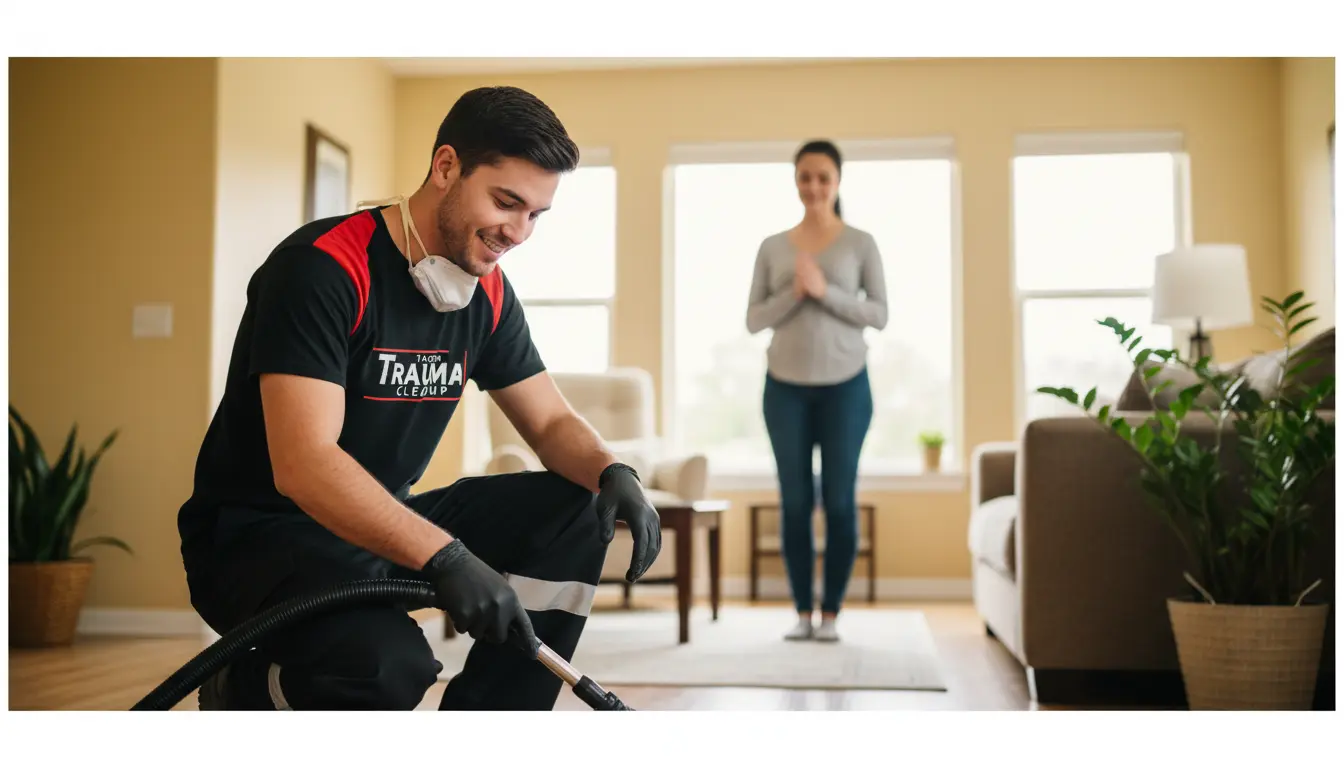
Contrary to popular belief, a trauma scene’s most significant threat to human health often lies not in the visible evidence, but in the microscopic, airborne, and structurally embedded biohazards that can linger long after the initial incident. In Tacoma, Washington, and its surrounding areas, the risk of exposure to bloodborne pathogens, bacterial contaminants, and other hazardous substances is particularly high due to the region’s unique combination of climate and environmental factors. When it comes to trauma cleanup, many property owners mistakenly believe that standard janitorial services or DIY cleaning methods can adequately address these risks.
However, nothing could be further from the truth. Professional trauma cleanup technicians, such as those at Washington Biohazard Response, undergo extensive training and adhere to stringent protocols to ensure that properties are not only visually restored but also thoroughly decontaminated to prevent future health risks. The process of preparing a property for trauma cleanup technicians involves a series of critical steps, each designed to mitigate risks and ensure a safe and effective remediation process.
Understanding the importance of professional trauma cleanup is crucial for property owners in Tacoma and surrounding areas. The local trauma cleanup experts serving these areas are well-versed in the unique challenges posed by the region’s climate and environmental conditions. By seeking the assistance of these professionals, property owners can ensure that their properties are restored to a safe and healthy state, minimizing the risk of long-term biological and psychological harm to occupants.
Technical Process of Trauma Cleanup
The technical process of trauma cleanup is complex and involves several key steps. First, a thorough assessment of the scene is conducted to identify all areas of contamination and potential biological hazards. This assessment informs the development of a customized remediation plan, which may include the use of specialized equipment such as HEPA air scrubbers, hydroxyl generators, and ATP monitoring systems to detect and eradicate biological contaminants.
Following the assessment, the area is secured and contained to prevent cross-contamination and exposure to others. This may involve the use of negative air pressure machines and the sealing of all exits and entrances. Biological matter is then carefully extracted, and the area is subjected to hospital-grade disinfection protocols, including the application of EPA-registered disinfectants and enzymatic degradation treatments to break down protein-based contaminants.
Structural elements that have been penetrated by biological fluids may need to be removed and replaced, and all affected materials are disposed of in accordance with local and federal regulations regarding biohazardous waste. Finally, the area is tested for clearance using ATP fluorescence testing to ensure that all biological contaminants have been eradicated.
Data Comparison
A comparison of professional biohazard remediation services versus standard janitorial or DIY cleaning methods highlights the critical differences in approach, safety, and effectiveness. The following table illustrates some key distinctions:
| Feature/Metric | Professional Remediation | Standard/DIY Cleaning |
|---|---|---|
| Pathogen Eradication | 99.99% effective against a broad spectrum of pathogens | Variable efficacy, often leaving behind viable pathogens |
| Legal/OSHA Compliance | Full compliance with federal and state regulations | Risk of non-compliance, potentially leading to legal and financial liabilities |
| Structural Penetration | Thorough assessment and remediation of structurally embedded contaminants | Limited or no assessment of structural penetration, potentially leaving behind hidden hazards |
Source: OSHA Bloodborne Pathogens Standard
Expert Insights
Professional biohazard remediation technicians offer several advanced tips for property owners preparing for trauma cleanup. Firstly, it is crucial to isolate affected rooms or areas to prevent cross-contamination. Secondly, recognizing the signs of structural fluid seepage, such as discoloration or warping of materials, is essential for ensuring that all contaminated areas are addressed. Lastly, understanding the dangers of HVAC cross-contamination, where biological contaminants can become airborne and spread through a property’s heating, ventilation, and air conditioning system, is vital for developing an effective remediation strategy.
Pricing for Trauma Cleanup Services
The cost of trauma cleanup services can vary widely depending on several factors, including the depth of biological fluid penetration into subflooring and drywall, the total volume of regulated medical waste that must be manifest and disposed of, and the specific infectious disease protocols that must be followed. Other factors that can influence pricing include the need for specialized equipment, such as hydroxyl generators or negative air pressure machines, and the extent of structural removal and repair required.
Some common pricing structures for trauma cleanup services include hourly rates for technician time, hazardous waste disposal fees, and minimum call-out fees for specialized scenes. Property owners should be wary of services that offer unrealistically low prices, as these may compromise on safety, compliance, or effectiveness.
Safety and Standards in Trauma Cleanup
The safety and standards observed in trauma cleanup are paramount. Professional technicians must adhere to regulations such as OSHA 29 CFR 1910.1030, which mandates specific protocols for the handling of bloodborne pathogens, and obtain certifications from organizations such as the American Bio-Recovery Association (ABRA). The use of EPA-registered, broad-spectrum hospital-grade disinfectants is also critical for ensuring that all biological contaminants are effectively eradicated.
Understanding and adhering to these standards is not only essential for protecting the health and safety of individuals involved in the remediation process but also for preventing future health risks to occupants and shielding property owners from potential legal liabilities.
Frequently Asked Questions About Trauma Cleanup
What is the difference between trauma cleanup and standard janitorial cleaning?
Trauma cleanup involves the specialized removal and disinfection of biological contaminants, such as blood and bodily fluids, from a crime or trauma scene. This process requires specific training, equipment, and protocols to ensure safety and compliance with regulations. Standard janitorial cleaning, on the other hand, is designed for maintenance and does not address the unique hazards associated with biological contaminants.
How long does the trauma cleanup process typically take?
The duration of the trauma cleanup process can vary significantly depending on the extent of the contamination, the size of the affected area, and the complexity of the remediation required. While some scenes may be fully remediated within a few hours, others may require several days or even weeks to ensure that all biological hazards have been adequately addressed.
Can I perform trauma cleanup myself?
No, it is not recommended to attempt trauma cleanup without proper training and equipment. Biological contaminants pose serious health risks, and improper handling can lead to cross-contamination, exposure, and long-term health consequences. Furthermore, non-compliance with regulations can result in legal and financial liabilities.
How do I choose the right trauma cleanup service for my needs?
Choosing the right trauma cleanup service involves considering several factors, including the service’s experience, training, and compliance with relevant regulations. It is also essential to assess their ability to provide discreet and compassionate service, as well as their commitment to using environmentally responsible practices. For residents of Tacoma and surrounding areas, choosing the best trauma cleanup service near Tacoma, WA, requires careful evaluation of these factors to ensure that the selected service can meet specific needs and provide effective, safe, and compliant remediation.
Final Thoughts on Preparing a Property for Trauma Cleanup Technicians
In conclusion, preparing a property for trauma cleanup technicians requires a thorough understanding of the risks associated with biological contaminants and the importance of professional, compliant remediation. By recognizing the limitations of standard cleaning methods and the critical need for specialized training and equipment, property owners can take the first step towards ensuring a safe, effective, and legally compliant trauma cleanup process. For those in need of emergency response cleanup or other specialized services such as hoarding cleanup assistance, accident site cleanup, or unattended death cleanup, seeking the expertise of a certified biohazard remediation service is essential. By doing so, individuals can not only restore their properties to a safe and healthy state but also find peace of mind in the wake of a traumatic event.
For more information on trauma cleanup and related services, visit our blog or contact us directly. We serve a wide range of areas, including Bonney Lake, Dupont, Steilacoom, and Ruston, providing biohazard cleanup and other essential services with discretion and professionalism.