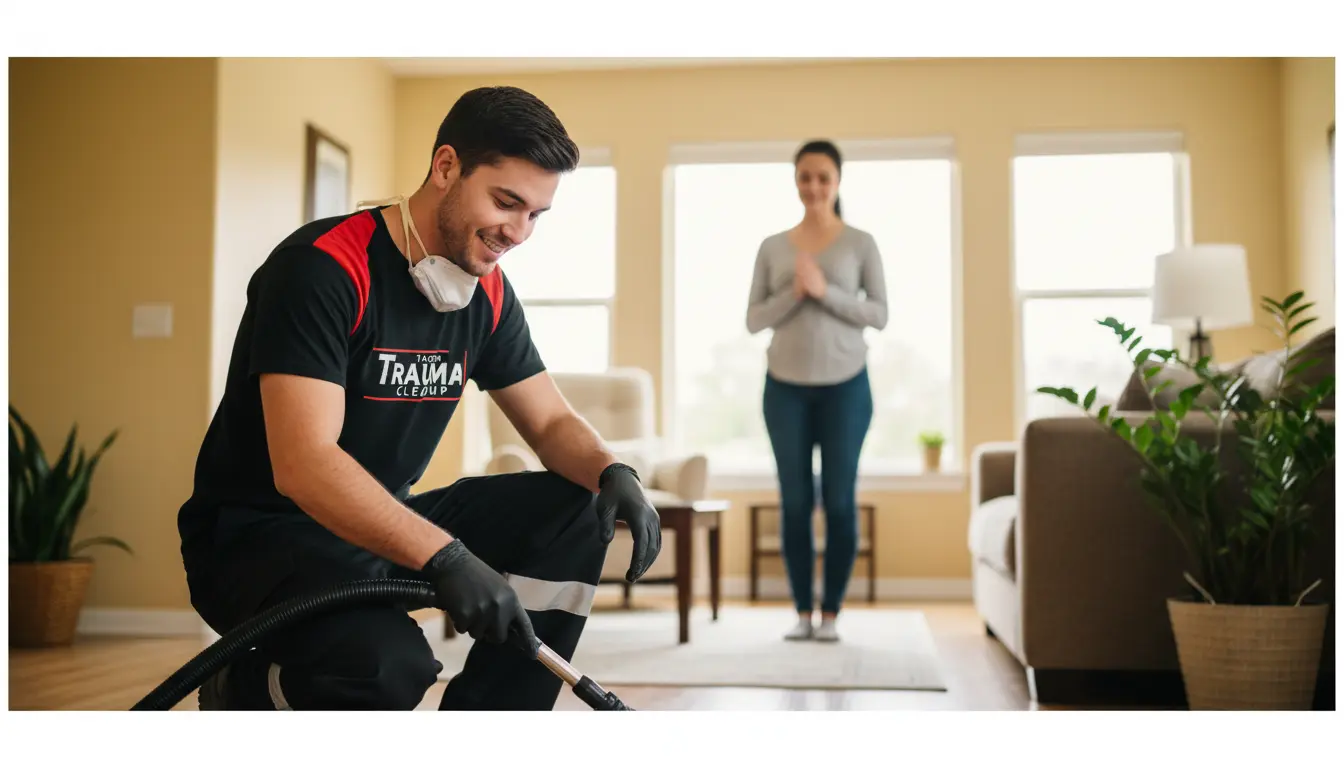
Contrary to popular belief, the majority of biohazard and trauma scene cleanup attempts by non-professionals in Tacoma and surrounding areas end in cross-contamination, posing severe health risks to occupants and first responders. This misconception stems from the lack of understanding of the complexities involved in safely removing blood and biohazards without compromising the integrity of the property or the health of those involved. The risks associated with improper cleanup are multifaceted, ranging from the spread of bloodborne pathogens to the exacerbation of existing psychological trauma. It’s crucial, therefore, to grasp the importance of professional, certified trauma cleanup services in ensuring not only the physical safety but also the emotional well-being of individuals affected by such incidents.
The process of removing blood and biohazards safely without cross-contamination is highly specialized and requires adherence to strict protocols and guidelines set forth by regulatory bodies such as OSHA and the EPA. In Tacoma, where the damp climate can significantly accelerate bacterial growth and worsen biohazard odors, the need for expert intervention is even more pronounced. Local residents must be aware of the dangers of attempting DIY cleanup and the benefits of hiring a professional service like WashingtonBiohazardResponse.com that understands the nuances of biohazard remediation in the Pacific Northwest.
Understanding the risks and the importance of professional intervention is the first step towards ensuring that properties are returned to a safe and livable state. The psychological and physical dangers of improper trauma scene handling cannot be overstated, making it essential for individuals in Tacoma and surrounding areas to seek out certified professionals for any biohazard and trauma cleanup needs. For more information on how to safely handle crime scene cleanup, residents can refer to the guidelines provided by Washington Biohazard Response, a leading authority on biohazard remediation in the region.
Technical Process of Biohazard Cleanup
The technical process of biohazard cleanup involves a meticulous step-by-step approach that begins with an initial risk assessment to identify all potential biohazards on the scene. This assessment is critical in determining the necessary personal protective equipment (PPE) and the containment strategies to prevent cross-contamination. Following the assessment, the area is secured, and control zones are established to isolate the biohazardous materials. Gross biological material removal is then conducted, followed by thorough sanitization and deodorization using hospital-grade disinfectants and specialized equipment such as ozone generators.
The use of ATP (adenosine triphosphate) fluorescence testing is a crucial step in verifying the effectiveness of the cleanup process. ATP is a molecule found in all living cells and is a good indicator of biological contamination. By using an ATP-testing device, cleanup professionals can ensure that all surfaces have been properly sanitized and are safe for occupancy. This level of detail and adherence to scientific protocols underscores the complexity and seriousness of biohazard cleanup, further emphasizing the need for professional services. For complex cases such as homicide scene decontamination, the expertise and specialized training of professionals are indispensable.
Data Comparison
To better understand the differences between professional biohazard remediation and standard janitorial or DIY cleaning, it’s helpful to compare key metrics. The table below highlights the main distinctions in terms of pathogen eradication, structural penetration handling, and legal/disposal compliance.
| Feature/Metric | Professional Remediation | Standard/DIY Cleaning |
|---|---|---|
| Pathogen Eradication | 99.99% eradication of pathogens including HIV, Hepatitis B and C | Varying degrees of pathogen reduction, often insufficient |
| Structural Penetration Handling | Comprehensive assessment and remediation of porous and non-porous materials | Limited understanding and capabilities in handling deep-seated biological contaminants |
| Legal/Disposal Compliance | Full compliance with OSHA, EPA, and local regulations regarding biohazardous waste disposal | Risk of non-compliance due to lack of knowledge about regulations and proper disposal procedures |
Source: OSHA Bloodborne Pathogens Standard
Expert Insights
Experts in the field of biohazard remediation emphasize the necessity of isolation zones to prevent cross-contamination. Moreover, they stress that odor neutralizers can fail to address the root cause of the odor if the biological source is not properly removed, especially from subflooring. The importance of ATP testing cannot be overstated as it provides a quantitative measure of the cleanliness of surfaces, ensuring that the area is safe for reoccupation. Common mistakes made by property owners include the use of household bleach on blood, which can create toxic fumes and fails to penetrate porous surfaces effectively, and ignoring the risk of fluid migration under baseboards, which can lead to severe health hazards and structural damage.
Pricing Considerations
The pricing for biohazard cleanup services can vary significantly based on several factors, including the severity of the incident, the size of the affected area, the type of biological materials involved, and the extent of structural damage. Other factors that influence cost include the weight and volume of regulated medical waste that needs to be disposed of, the requirement for specialized equipment such as ozone generators or HEPA filtration systems, and the level of PPE needed to ensure the safety of the cleanup crew. Costs can range from a few hundred dollars for minor incidents to tens of thousands of dollars for large-scale traumas that require extensive remediation and restoration work.
Safety and Standards
The safety and standards adhered to in biohazard cleanup are paramount. Professionals must comply with OSHA 29 CFR 1910.1030, the Bloodborne Pathogens Standard, which outlines the requirements for protecting workers from occupational exposure to blood and other potentially infectious materials. Additionally, adherence to EPA regulations for the disposal of hazardous waste and compliance with ABRA (American Bio Recovery Association) standards for biohazard remediation are critical. The use of EPA-registered hospital-grade disinfectants and adherence to strict safety protocols, including the use of appropriate PPE, are essential in preventing the spread of diseases and ensuring a safe working environment.
FAQs
What is the most critical step in preventing cross-contamination during biohazard cleanup?
The most critical step in preventing cross-contamination is the establishment of control zones and the use of proper personal protective equipment (PPE). This ensures that the cleanup crew does not carry contaminants from the affected area to other parts of the property or to their own vehicles and equipment, thereby minimizing the risk of spreading biohazards.
How long does a typical biohazard cleanup process take?
The duration of a biohazard cleanup can vary significantly depending on the severity of the incident, the size of the affected area, and the types of biological materials involved. While some minor incidents may be resolved within a few hours, more complex scenes can take several days or even weeks to fully remediate. The process is thorough and meticulous, ensuring that all biohazards are removed and the area is safe for occupancy.
What are the risks of using household bleach for blood cleanup?
Using household bleach for blood cleanup poses several risks, including the creation of toxic fumes and the failure to penetrate porous surfaces effectively. Bleach can also damage certain materials and is not approved for use on all types of surfaces, leading to potential damage to the property. Most importantly, bleach does not eradicate all pathogens and can leave behind residues that can pose health risks.
Can biohazard cleanup be covered by insurance?
In many cases, biohazard cleanup can be covered by insurance, depending on the policy and the circumstances of the incident. It’s essential to contact your insurance provider to understand what is covered and to what extent. Many professional biohazard cleanup services work directly with insurance companies to facilitate the claims process and minimize the financial burden on the property owner.
Professional Trauma Cleanup in Tacoma, WA
In conclusion, the removal of blood and biohazards without cross-contamination requires a deep understanding of the risks involved, the importance of professional intervention, and the adherence to strict safety protocols and regulatory standards. For residents of Tacoma and surrounding areas, Washington Biohazard Response stands as a beacon of reliability, discretion, and expertise in biohazard remediation. By choosing a certified and experienced service provider, individuals can ensure that their properties are restored to a safe and livable condition, providing peace of mind and protecting the health and well-being of all occupants. For more detailed information on trauma cleanup, including blood spill removal and the importance of quick recovery after a trauma event, visit our blog for insightful articles and resources.
Remember, the safety and well-being of you and your loved ones are paramount. Do not hesitate to seek professional help when dealing with biohazards and trauma scenes. Contact Washington Biohazard Response today for compassionate, reliable, and scientifically grounded biohazard cleanup services in Tacoma and surrounding areas.