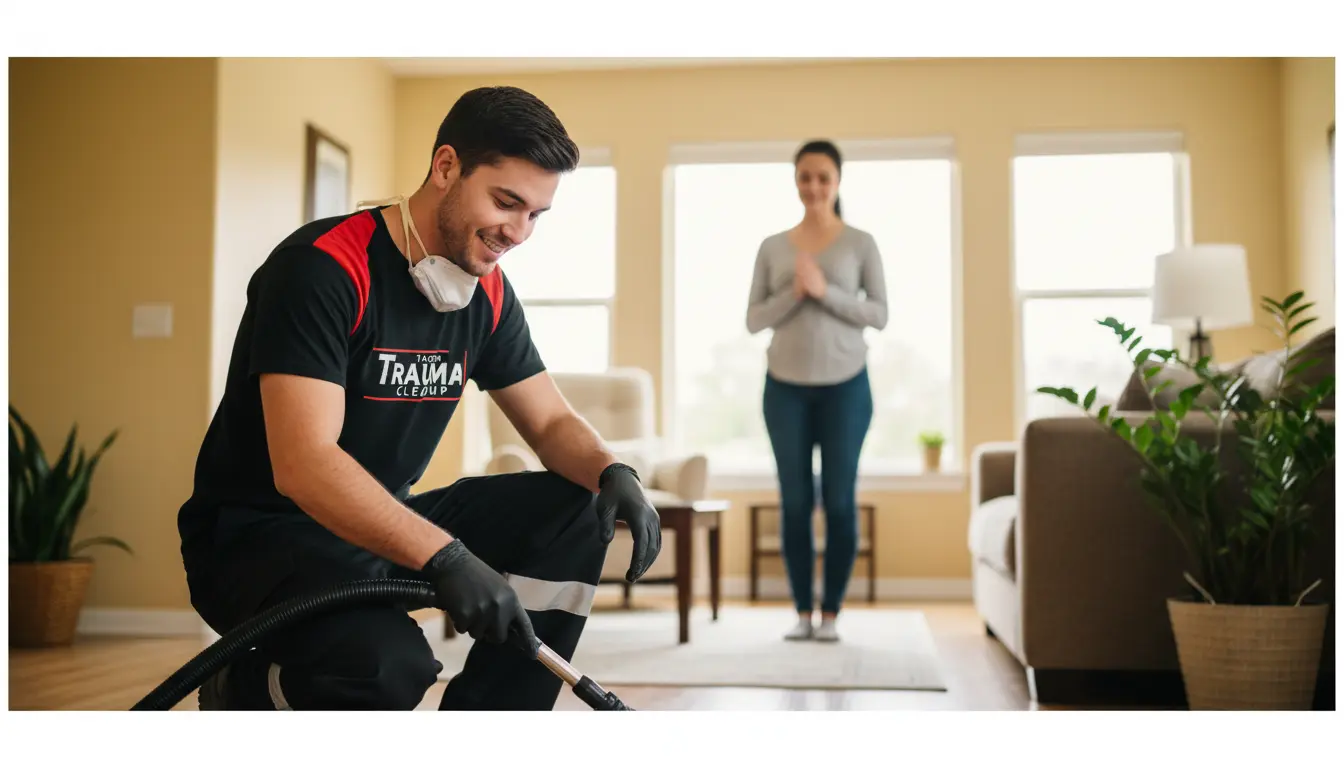
Imagine walking into an apartment where a traumatic event has occurred, only to be met with the overwhelming scent of decay and the stark realization that a life has been lost. This is the harsh reality that trauma cleanup professionals face every day, particularly in regions like Tacoma, where the damp climate can accelerate bacterial growth and exacerbate biohazard odors. For certified biohazard remediation experts like those at Washington Biohazard Response, the priority is not only to restore the property to a safe, livable condition but also to do so with the utmost respect and discretion for the families and individuals affected.
The process of trauma cleanup after an unattended death is meticulous and requires a deep understanding of biohazard protocols, local regulations, and the emotional toll on those involved. It’s a task that goes beyond mere cleaning; it involves a comprehensive approach to eliminate all traces of biological hazards, ensuring the property is safe for future occupants. This is why professional, certified trauma cleanup services are indispensable in communities like Tacoma, where the risk of improper handling of biohazards can lead to severe health hazards and legal complications.
In Tacoma, residents can rely on professional services like Local Trauma Cleanup Experts Serving Tacoma and Surrounding Areas to handle such situations with care and expertise. These services are not only equipped to deal with the immediate aftermath of a traumatic event but also to guide individuals through the recovery process, providing resources and support as needed.
Understanding the Technical Process of Trauma Cleanup
The technical process of trauma cleanup involves several critical steps, each designed to ensure that the property is thoroughly decontaminated and restored to a safe condition. Initially, a thorough risk assessment is conducted to identify all potential biohazards and determine the most appropriate remediation strategy. This assessment takes into account local factors such as the ambient humidity in the PNW, which can affect the spread and persistence of pathogens.
Following the assessment, the area is secured and control zones are established to prevent cross-contamination. Gross biological material is then carefully removed, followed by a sanitization process that utilizes hospital-grade disinfectants and equipment such as electrostatic sprayers. The use of personal protective equipment (PPE) by the cleanup team is mandatory to prevent exposure to bloodborne pathogens and other hazards. After sanitization, a deodorization process is implemented to eliminate any lingering odors, which can be particularly challenging in Tacoma’s damp climate.
The final step involves verification of the cleanup’s effectiveness through ATP (adenosine triphosphate) fluorescence testing, which measures the level of organic matter (and thus, potential pathogens) on surfaces. This scientific approach ensures that the property is not only visually clean but also microbiologically safe for occupancy.
Data Comparison: Professional Remediation vs. Standard Cleaning
A critical aspect to consider when dealing with trauma scenes is the efficacy of professional remediation services compared to standard janitorial or DIY cleaning methods. The following comparison highlights key differences:
| Feature/Metric | Professional Remediation | Standard/DIY Cleaning |
|---|---|---|
| Pathogen Eradication | 99.99%+ through specialized equipment and protocols | Variable, often incomplete due to lack of proper training and equipment |
| Structural Penetration Handling | Comprehensive, including subflooring and behind baseboards | Limited, often focusing on surface level only |
| Legal/Disposal Compliance | Full compliance with OSHA, EPA, and local regulations | Risk of non-compliance due to lack of knowledge on regulated medical waste disposal |
Source: OSHA Bloodborne Pathogens Standard
Expert Insights for Effective Trauma Cleanup
Expert trauma cleanup professionals emphasize the importance of establishing isolation zones to prevent the spread of pathogens and the necessity of using enzymatic digestion to break down organic matter at a cellular level. They also stress that ATP testing is crucial for verifying the effectiveness of the cleanup process. Additionally, avoiding common mistakes such as using household bleach (which can create toxic fumes and fails to penetrate porous surfaces) or ignoring the risk of fluid migration under baseboards is critical to ensuring a successful remediation.
For those looking to understand more about the process and how to prepare for or recover from a trauma event, resources like 10 Tips for Quick Recovery After a Trauma Event in WA can provide invaluable guidance and support.
Pricing Structures for Trauma Cleanup Services
The cost of trauma cleanup services can vary widely depending on several factors, including the extent of the contamination, the size of the area affected, and the specific protocols required for remediation. Services may charge by the hour, with additional fees for disposal of regulated medical waste. The use of specialized equipment, such as ozone generators for odor elimination, can also impact the final cost. It’s essential for property owners to understand these factors and to work with a service that provides transparent, upfront pricing.
- Hourly rates for technician time
- Disposal fees for biohazardous materials
- Cost of specialized equipment and supplies
Safety and Standards in Trauma Cleanup
Safety and adherence to strict standards are paramount in trauma cleanup. Professionals must comply with regulations such as OSHA 29 CFR 1910.1030 and use EPA-registered disinfectants to ensure all pathogens are eliminated. The importance of proper training, the use of personal protective equipment (PPE), and strict protocols for handling and disposing of biohazards cannot be overstated. By choosing a service that prioritizes these aspects, property owners can ensure that the remediation is not only effective but also conducted in a manner that respects the safety and well-being of all individuals involved.
Frequently Asked Questions
What is the difference between trauma cleanup and regular cleaning services?
Trauma cleanup involves the removal and disposal of biological hazards such as blood and bodily fluids, which can pose serious health risks. Regular cleaning services do not have the training, equipment, or protocols to safely handle these substances.
How long does the trauma cleanup process typically take?
The duration of the cleanup process can vary significantly depending on the extent of the contamination, the size of the area, and the specific requirements for remediation. It can range from a few hours to several days or even weeks in complex cases.
Is it safe to clean up after a traumatic event myself?
No, it is not recommended to attempt to clean up after a traumatic event without proper training and equipment. Biological hazards can pose significant health risks, including the transmission of bloodborne pathogens.
What kind of support can I expect from a professional trauma cleanup service?
Professional services not only handle the physical cleanup but can also provide emotional support and guidance through the recovery process, including connecting individuals with local resources and support groups.
Professional Trauma Cleanup in Tacoma, WA
In conclusion, the process of restoring apartments after unattended deaths requires a compassionate, scientifically rigorous, and highly trained approach. By understanding the technical process, the importance of professional remediation, and the factors that influence the cost and effectiveness of trauma cleanup, individuals can better navigate these difficult situations. For residents of Tacoma and surrounding areas, services like Washington Biohazard Response offer a reliable, discreet, and authoritative solution, ensuring that properties are restored to a safe and livable condition with the utmost care and respect.
Final Thoughts
Dealing with the aftermath of a traumatic event is never easy, but with the right support and professional guidance, the process of healing and recovery can begin. Whether you’re in need of immediate assistance or looking for resources to prepare for the unexpected, reaching out to a trusted and experienced trauma cleanup service can make all the difference. Remember, the safety and well-being of you and your loved ones are paramount, and there are resources available to help you through even the most challenging times.
For more information on trauma cleanup services, including Unattended Death Cleanup and Emergency Response Cleanup, visit our website or contact us directly. We are here to support you with compassion, expertise, and a commitment to your safety and well-being.