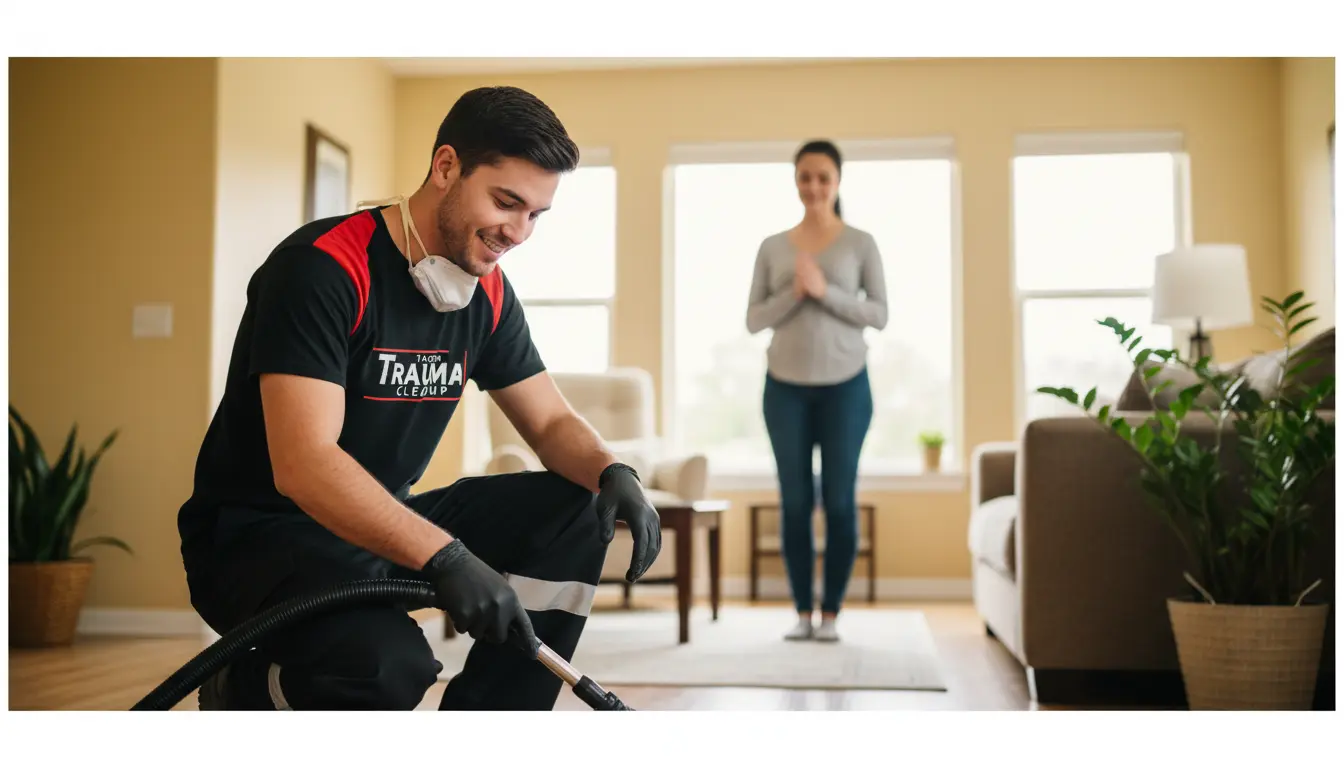
It’s a chilly autumn morning in Tacoma, Washington, when a distressed homeowner, Mrs. Johnson, calls our offices at Washington Biohazard Response. Her voice is shaking as she explains that her elderly mother, who lived alone, has been found unresponsive in her home. The scene is traumatic, and Mrs. Johnson is beside herself, unsure of how to proceed with the cleanup and restoration of her mother’s property. This is a scenario all too common in our line of work, and it underscores the critical importance of professional biohazard remediation services in our community.
Professional trauma cleanup is not just about cleaning up after a traumatic event; it’s about restoring a property to a safe and livable condition, protecting the health and well-being of its occupants, and showing compassion and care during a difficult time. At Washington Biohazard Response, we understand the complexities and sensitivities involved in biohazard cleanup and are committed to providing discreet, authoritative, and technically rigorous services to our clients in Tacoma and surrounding areas.
In this article, we will delve into what is included in professional biohazard remediation services, the technical process involved, and why it’s crucial to choose a certified and experienced provider like Washington Biohazard Response for your trauma cleanup needs. Understanding the intricacies of biohazard cleanup can help you make informed decisions when faced with such a situation.
Technical Process of Biohazard Remediation
The process of professional biohazard remediation is highly specialized and involves a series of steps designed to ensure the complete removal of biological hazards and the restoration of the property to a safe condition. It begins with an initial risk assessment to identify potential hazards and determine the scope of the cleanup required. This assessment is crucial in establishing control zones and containment to prevent cross-contamination and minimize exposure to biohazards.
Following the assessment, the next step involves the removal of gross biological material, which must be handled and disposed of in accordance with local, state, and federal regulations regarding regulated medical waste. This is not a task for the untrained; it requires specialized equipment, personal protective equipment (PPE), and a deep understanding of biohazard protocols to prevent exposure to bloodborne pathogens and other infectious materials.
Sanitization and deodorization are also critical components of the biohazard remediation process. Sanitization involves the use of EPA-registered hospital-grade disinfectants to kill pathogens, while deodorization addresses the removal of odors associated with the biohazard. In areas like Tacoma, where the damp climate can accelerate bacterial growth and exacerbate biohazard odors, these steps are particularly important.
The process concludes with ATP (adenosine triphosphate) verification testing to ensure that all surfaces have been properly cleaned and sanitized. ATP testing is a crucial step as it provides a quantitative measurement of the cleanliness of a surface, giving a clear indication of whether the remediation efforts have been successful.
Importance of Professional Remediation vs. DIY or Standard Cleaning
When considering biohazard cleanup, it’s essential to understand the difference between professional remediation services and standard janitorial or DIY cleaning. Professional biohazard remediation is specifically designed to handle the unique challenges posed by biological hazards, including the risk of infection, the need for specialized disposal, and the importance of ensuring that all affected areas are thoroughly cleaned and sanitized.
A comparison between professional biohazard remediation and standard or DIY cleaning highlights the superiority of professional services in terms of pathogen eradication, structural penetration handling, and legal/disposal compliance.
| Feature/Metric | Professional Remediation | Standard/DIY Cleaning |
|---|---|---|
| Pathogen Eradication | Complete removal using specialized equipment and protocols | Limited effectiveness, potential for residual pathogens |
| Structural Penetration Handling | Thorough assessment and treatment of penetrated structures | Often overlooked, leading to potential future hazards |
| Legal/Disposal Compliance | Full compliance with regulations for medical waste disposal | Risk of non-compliance, potential legal and health consequences |
Source: OSHA Bloodborne Pathogens Standard
Expert Insights for Effective Biohazard Cleanup
From our experience in providing professional biohazard remediation services, we can offer several expert tips that are crucial for effective cleanup. First, the establishment of isolation zones is vital to prevent cross-contamination and ensure that the cleanup process does not spread biohazards to unaffected areas of the property.
Second, understanding that odor neutralizers can fail if the source of the odor is not properly removed, especially in porous surfaces like subflooring, is key. Simply masking the odor does not address the underlying issue and can lead to the persistence of health hazards.
Lastly, the importance of ATP testing cannot be overstated. It provides a scientific measure of the cleanliness of surfaces, ensuring that the remediation has been effective and that the property is safe for occupation.
Common mistakes property owners make include using household bleach on blood, which can create toxic fumes and fails to penetrate porous surfaces effectively, and ignoring the risk of fluid migration under baseboards, which can lead to structural rot and severe health hazards. These mistakes underscore the need for professional biohazard remediation services that understand the complexities and risks involved.
Pricing for Biohazard Cleanup Services
The cost of biohazard cleanup services can vary widely depending on several factors, including the extent of the contamination, the size of the area affected, and the specific services required. Pricing structures may include hourly rates plus disposal fees or tiered pricing based on the level of hazard.
Factors that influence cost include the weight or volume of regulated medical waste, the requirement for structural tear-out such as drywall or carpet pad removal, and the level of PPE required for the cleanup. Understanding these factors can help property owners better anticipate the costs associated with biohazard remediation.
- Hourly rates for technicians and specialists
- Disposal fees for regulated medical waste
- Tiered pricing based on the hazard level of the situation
- Costs associated with structural repairs and restoration
Safety and Standards in Biohazard Cleanup
Safety and adherence to standards are paramount in biohazard cleanup. Our technicians are certified and trained in accordance with OSHA 29 CFR 1910.1030, EPA regulations, and ABRA standards. We use EPA-registered hospital-grade disinfectants and follow strict safety protocols to protect both our team and the property occupants from hazards such as Hepatitis B, C, HIV, and other bloodborne pathogens.
The use of personal protective equipment (PPE) is mandatory, and our team is trained in the proper use and disposal of PPE to prevent cross-contamination. By adhering to these standards and protocols, we ensure that the biohazard cleanup process is conducted safely and effectively, restoring properties to a condition that is safe for habitation.
Frequently Asked Questions About Trauma and Biohazard Cleanup
What is the difference between biohazard cleanup and standard cleaning services?
Biohazard cleanup involves the removal and disposal of biological hazards such as blood, bodily fluids, and other potentially infectious materials. It requires specialized training, equipment, and protocols to ensure that the cleanup is done safely and effectively. Standard cleaning services, on the other hand, are designed for general cleaning and maintenance and are not equipped to handle biological hazards.
How long does the biohazard cleanup process take?
The length of time required for biohazard cleanup can vary significantly depending on the extent of the contamination, the size of the area affected, and the specific services required. It can range from a few hours for small, contained incidents to several days or even weeks for larger, more complex scenes.
Is biohazard cleanup covered by insurance?
In many cases, biohazard cleanup is covered by insurance, including homeowners and auto insurance policies. However, coverage can vary depending on the policy and the specific circumstances of the incident. It’s essential to review your policy or consult with your insurance provider to understand what is covered.
Can I perform biohazard cleanup myself?
Conclusion
In conclusion, professional biohazard remediation services are critical for ensuring that properties are restored to a safe and livable condition after a traumatic event. At Washington Biohazard Response, we are committed to providing compassionate, discreet, and technically rigorous services to our clients in Tacoma and surrounding areas. Whether you are dealing with the aftermath of a traumatic event, require assistance with hoarding cleanup, or need guidance on how to handle a potentially hazardous situation, our team is here to help. Contact us today to learn more about our services and how we can support you during a difficult time.
Remember, the health and safety of you and your loved ones are paramount. Don’t risk your well-being by attempting to handle biohazard cleanup yourself. Trust the professionals at Washington Biohazard Response to provide the care, expertise, and peace of mind you deserve.
For more information on our services, including Crime Scene Cleaning, Unattended Death Cleanup, and Hoarding Cleanup Assistance, visit our website or contact us directly. We are here to serve you with the highest level of professionalism and care.