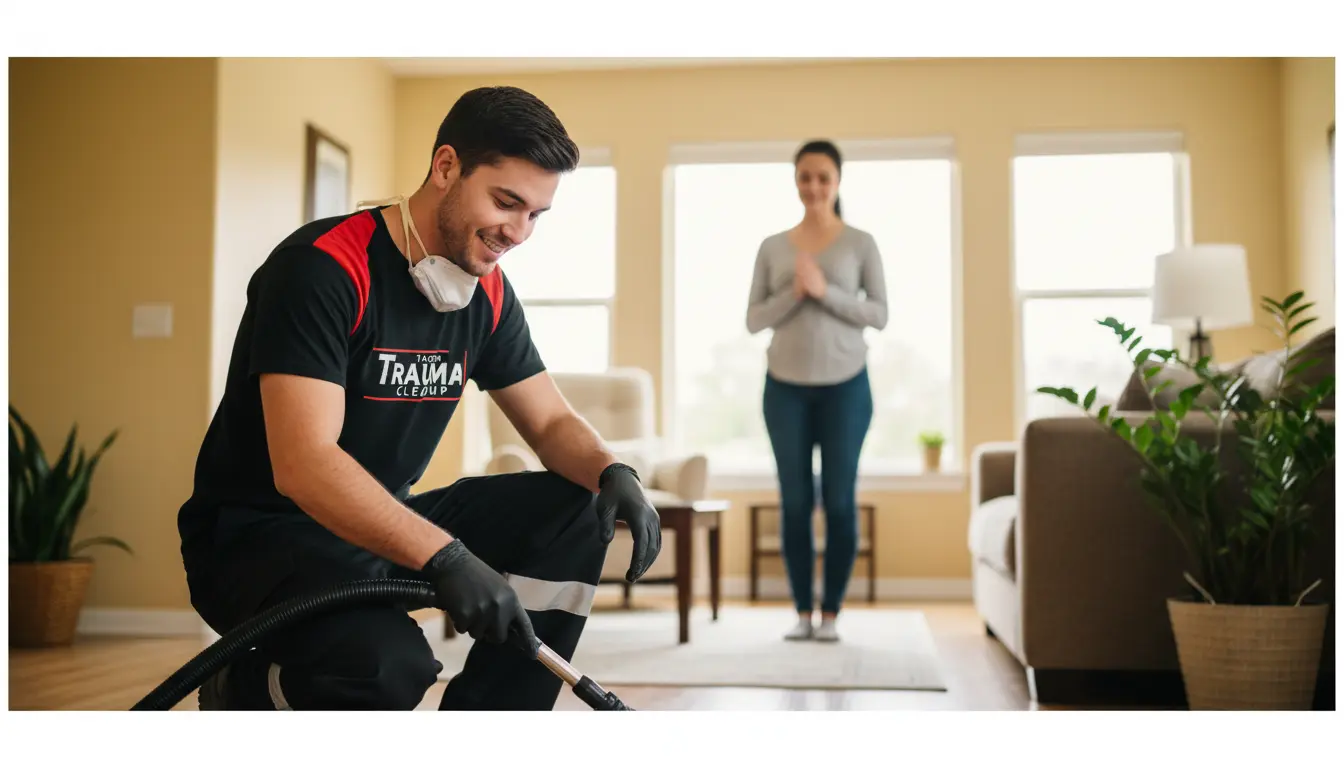
As a certified biohazard remediation expert, I recall a particularly challenging scene in a Tacoma home where a family had been exposed to bloodborne pathogens after a traumatic accident. The importance of fast blood cleanup became glaringly apparent as we worked to contain and eradicate the biohazardous materials, ensuring the family’s safety and preventing further risk of infection. This scenario underscores why fast blood cleanup is critical after accidents in Tacoma homes, a topic that warrants a deeper exploration to understand the complexities and risks involved.
The process of blood cleanup is not just about aesthetics; it’s about creating a safe environment that prevents the spread of diseases. In Tacoma, where the damp climate can accelerate bacterial growth, it’s essential to address blood spills promptly. Professional trauma cleanup services, like those offered by Local Trauma Cleanup Experts Serving Tacoma and Surrounding Areas, play a vital role in restoring homes to a habitable state, both physically and psychologically.
Understanding the risks associated with blood exposure is crucial. Bloodborne pathogens, such as Hepatitis B and C, and HIV, can survive outside the body for extended periods, especially in environments with high humidity like Tacoma. Thus, the immediate and thorough cleanup of blood spills is not just a matter of hygiene but a critical health and safety measure. For those seeking guidance on how to handle such situations, resources like What to Expect from Trauma Cleanup in Tacoma: A Complete Overview can provide invaluable insights.
Technical Process of Blood Cleanup
The technical process of blood cleanup involves several meticulous steps, starting with an initial risk assessment to identify all areas contaminated with blood or other bodily fluids. This is followed by the establishment of control zones to prevent cross-contamination, a critical step that requires specialized training and equipment. The use of personal protective equipment (PPE) is mandatory during this process to protect against bloodborne pathogens. For a detailed understanding of the steps involved in trauma cleanup, 5 Essential Steps for Trauma Cleanup in Tacoma Homes offers a comprehensive guide.
After containment, the next step is the removal of gross biological material, which must be disposed of according to local, state, and federal regulations regarding biohazardous waste. Sanitization and deodorization follow, utilizing hospital-grade disinfectants and specialized equipment such as ozone generators or electrostatic sprayers to ensure the eradication of pathogens and the elimination of odors. The final step involves verification through ATP (adenosine triphosphate) testing to confirm that the area is safe for reoccupation. This meticulous process highlights the importance of professional intervention in blood cleanup scenarios.
Data Comparison
To better understand the efficacy of professional biohazard remediation versus standard janitorial or DIY cleaning methods, consider the following comparison:
| Feature/Metric | Professional Remediation | Standard/DIY Cleaning |
|---|---|---|
| Pathogen Eradication | 99.99% elimination of pathogens | Variable, often incomplete eradication |
| Structural Penetration Handling | Specialized techniques for porous materials | Limited capability for depth penetration |
| Legal/Disposal Compliance | Adherence to all biohazard disposal regulations | Risk of non-compliance, potential legal issues |
Source: OSHA Bloodborne Pathogens Standard
Expert Insights
Professional biohazard remediation experts emphasize the necessity of isolation zones to prevent cross-contamination. Moreover, the use of odor neutralizers without removing the source of the odor, especially from subflooring, can be ineffective. ATP testing is also crucial for verifying the cleanliness of a surface, ensuring that it is safe for use. For individuals seeking to learn more about the process and its importance, Blood Spill Removal services can provide additional insights into the safe and effective cleanup of blood spills.
Common mistakes property owners make include using household bleach on blood, which can create toxic fumes and fails to penetrate porous surfaces adequately, and ignoring the risk of fluid migration under baseboards, leading to structural issues and ongoing health hazards. The consequences of such actions can be severe, including the spread of diseases and the deterioration of property value due to neglect or improper handling of biohazardous materials.
Pricing and Considerations
The cost of professional biohazard cleanup can vary based on several factors, including the extent of the contamination, the type of cleanup required (e.g., blood spill removal, crime scene cleanup), and the necessary disposal of biohazardous materials. Services may be priced on an hourly basis plus disposal fees, with tiered pricing reflecting the level of hazard and the complexity of the cleanup. For a more detailed understanding of the costs involved and how they are structured, consulting with a professional service like Choosing the Best Trauma Cleanup Service Near Tacoma, WA can provide clarity and help in making informed decisions.
- Hourly rates for technicians and specialists
- Disposal fees for biohazardous waste
- Tiered pricing based on the level of contamination and necessary cleanup procedures
Safety and Standards
Professional biohazard cleanup services adhere to strict safety protocols and regulatory standards, including OSHA 29 CFR 1910.1030, EPA regulations, and ABRA standards. These guidelines ensure that all cleanup activities are conducted with the utmost care for the safety of both the technicians involved and the future occupants of the cleaned property. The use of EPA-registered hospital-grade disinfectants is a critical component of this process, providing the highest level of pathogen eradication. For those interested in learning more about the standards and protocols in place, visiting the Blog section of Washington Biohazard Response can offer valuable insights into the world of biohazard remediation.
FAQs
What is the most critical factor in blood cleanup?
The most critical factor in blood cleanup is the immediate and thorough removal of blood and other bodily fluids to prevent the spread of bloodborne pathogens and the deterioration of the property. Professional services, such as those offered by Accident Site Cleanup, are equipped to handle such situations effectively, ensuring a safe and healthy environment.
How do I choose the best trauma cleanup service?
Choosing the best trauma cleanup service involves considering factors such as certification, experience, and adherence to safety and regulatory standards. It’s also important to look for services that offer discreet and compassionate care, understanding the emotional and psychological impact of traumatic events on individuals and families. Resources like About Us can provide insights into the values and standards of a professional service.
What are the health risks associated with improper blood cleanup?
The health risks associated with improper blood cleanup include the transmission of bloodborne pathogens such as Hepatitis B and C, and HIV. Improper cleanup can also lead to the proliferation of bacteria and other microorganisms, resulting in severe health issues. For guidance on safe handling practices, How Tacoma Residents Can Safely Handle Crime Scene Cleanup offers practical advice and recommendations.
Can I clean up blood spills myself?
While it might be tempting to clean up blood spills oneself, it is generally not recommended due to the risks of exposure to bloodborne pathogens and the potential for incomplete eradication of biohazardous materials. Professional services have the training, equipment, and expertise to handle blood cleanup safely and effectively, minimizing risks to health and ensuring compliance with regulatory standards. For more information on the dangers of DIY biohazard cleanup, Top 7 Signs Your Property Needs Professional Trauma Cleanup can provide a clearer understanding of when professional intervention is necessary.
Conclusion
In conclusion, fast blood cleanup after accidents in Tacoma homes is not just a matter of cleaning up a spill; it’s about creating a safe and healthy environment. The risks associated with blood exposure, from bloodborne pathogens to structural damage, necessitate professional intervention. By understanding the technical process, the importance of safety and standards, and the factors influencing cost, individuals can make informed decisions about their health, safety, and property. For those in need of professional trauma cleanup services in Tacoma, contacting a reliable and compassionate service is the first step towards restoring a safe and habitable living space.
Professional trauma cleanup services offer a critical lifeline in the aftermath of traumatic events, providing not just a clean environment but also peace of mind. By choosing a service that adheres to the highest standards of safety, compassion, and professionalism, individuals can navigate the challenging process of recovery with confidence. Remember, the safety and well-being of you and your loved ones are paramount, and seeking professional help is a brave and necessary step towards healing and recovery.
For further assistance or to learn more about trauma cleanup and its importance, please do not hesitate to reach out. The journey towards a safe, healthy, and secure living environment starts with the right support and guidance.